Ki and Qi are vital life energies that flow through our bodies. These concepts come from Asian traditions and are central to many practices like martial arts and healing. Working with Ki and Qi can help improve your health, balance, and overall well-being.

You can tap into these energies through exercises like tai chi and qigong. These practices teach you to move your body in ways that enhance energy flow.
They also focus on breathing techniques to help you feel more centered and calm.
Using Ki and Qi isn’t just for experts. You can start small by paying attention to your breath and how you move. As you become more aware, you may notice changes in how you feel and react to stress. Over time, working with these energies can lead to better physical and mental health.
Key Takeaways
- Ki and Qi are life force energies that flow through specific channels in your body
- You can improve your energy flow through practices like tai chi, qigong, and mindful breathing
- Regular work with Ki and Qi may boost your health, balance, and ability to handle stress
Conceptual Foundations of Ki and Qi
Ki and Qi are ancient concepts of life energy central to Eastern philosophy and medicine. They represent the vital force that flows through all living things and the universe itself.
Defining Ki and Qi: Key Principles
Ki (Japanese) and Qi (Chinese) refer to the same concept – a fundamental energy that sustains life. This vital life force is believed to flow through the body, influencing health and wellbeing.
In Traditional Chinese Medicine (TCM), Qi is seen as the foundation of all physical and mental processes. It’s thought to have different forms and functions within the body.
Your body’s Qi is said to be affected by factors like diet, emotions, and environment. Balancing and cultivating Qi is a key goal in many Eastern practices.
Historical Context and Philosophical Roots
The concept of Qi has been part of Chinese culture for at least 4000 years. It’s deeply rooted in Taoist philosophy, which sees the Tao as the source of all existence.
In Japan, Ki has been recognized for its healing properties for over 1500 years. It plays a crucial role in martial arts and traditional healing practices.
The idea of a life force isn’t unique to Eastern cultures. Similar concepts exist in other traditions:
- Prana in Indian philosophy
- Pneuma in ancient Greek thought
- Anima in Western alchemy
These parallel concepts highlight the universal human quest to understand the essence of life and vitality.
The Role of Yin and Yang in Energy Balance
Yin and yang represent opposite yet complementary forces in the universe. They work together to create balance in all things, including your life force energy.
Understanding Yin and Yang
Yin energy is cool, dark, and passive. It’s linked to nighttime, rest, and receptivity. Yang energy is warm, bright, and active. It’s connected to daytime, movement, and action.
Your body needs both yin and yang energies to function well. Too much yin can make you tired and sluggish. Too much yang can leave you stressed and anxious.
Yin foods include dark leafy greens, cucumber, and watermelon. Yang foods are often warm, cooked, and spicy. Eating a mix of yin and yang foods helps balance your energy.
Achieving Harmony Between Opposites
To balance yin and yang in your life, pay attention to your daily habits. If you feel drained, add more yang activities like exercise or socializing. If you’re overstimulated, try yin practices such as meditation or gentle yoga.
Acupuncture can help restore balance by regulating your qi flow. Herbal remedies may also support yin-yang harmony.
In nature, notice how day turns to night and seasons change. This natural cycle shows yin and yang at work. By aligning with these rhythms, you can improve your energy balance.
Physical Manifestations of Qi

Qi manifests physically in various ways. You can observe and feel its effects through specific practices and systems in traditional Chinese medicine and martial arts.
Qi in Tai Chi and Qigong
Tai Chi and Qigong are practices that work directly with Qi energy. In Tai Chi, you move your body slowly and deliberately to direct the flow of Qi. These movements help balance and strengthen your energy.
Qigong focuses on breathing exercises and meditation to cultivate Qi. You can feel warmth or tingling in your hands as you practice. This sensation is believed to be Qi accumulating.
Both practices aim to improve your health and wellbeing by optimizing Qi flow. Regular practice can lead to better balance, flexibility, and stress reduction.
The Meridian System and Acupoints
The meridian system is a network of pathways through which Qi flows in your body. Acupoints are specific locations along these meridians where Qi can be accessed and influenced.
Acupuncture uses needles inserted at these points to adjust Qi flow. You might feel sensations like warmth or tingling when an acupoint is stimulated.
Acupressure applies pressure to these points instead of needles. You can learn to locate and stimulate acupoints yourself for self-treatment.
Understanding this system can help you:
- Identify areas of Qi imbalance in your body
- Target specific health issues through acupoint stimulation
- Enhance your overall energy flow and wellbeing
Techniques for Cultivating Qi
Cultivating Qi involves specific practices that enhance energy flow in the body. These techniques focus on breathing, movement, meditation, and nutrition to boost vitality and well-being.
Breathing Exercises
Proper breathing is key to Qi cultivation. Belly breathing, or diaphragmatic breathing, is a powerful method. To practice:
- Sit or lie comfortably
- Place one hand on your chest, the other on your belly
- Breathe in through your nose, letting your belly expand
- Exhale slowly through your mouth
Try this for 5-10 minutes daily. It helps calm your mind and increases oxygen flow.
Another effective technique is the 4-7-8 breath:
- Inhale for 4 counts
- Hold for 7 counts
- Exhale for 8 counts
This pattern regulates your nervous system and enhances Qi flow.
Posture and Movement
Good posture is crucial for Qi cultivation. Stand with your feet shoulder-width apart, knees slightly bent. Keep your spine straight but relaxed. Imagine a string pulling the top of your head upward.
Qi Gong, a practice of gentle movements and breathwork, is excellent for improving posture and Qi flow. Try this simple exercise:
- Stand with feet hip-width apart
- Raise your arms slowly as you inhale
- Lower them as you exhale
- Repeat 10 times
This movement opens your energy channels and promotes relaxation.
Meditative Practices
Meditation is a powerful tool for Qi cultivation. Start with a basic mindfulness practice:
- Sit comfortably
- Focus on your breath
- When your mind wanders, gently bring it back to your breath
Begin with 5 minutes daily and gradually increase. This practice calms your mind and enhances Qi awareness.
Visualization is another helpful technique. Imagine a warm, golden light flowing through your body as you breathe. This mental imagery can strengthen your Qi cultivation efforts.
Diet and Digestion
Your diet plays a crucial role in Qi cultivation. Eat a balanced diet rich in whole grains, fruits, and vegetables. These foods provide the energy needed for strong Qi.
Chew your food thoroughly. This aids digestion and helps your body extract more Qi from your meals. Aim for 20-30 chews per bite.
Avoid overeating, as it can block Qi flow. Stop eating when you feel about 80% full. This practice, known as “Hara Hachi Bu,” supports optimal digestion and Qi cultivation.
Stay hydrated. Water helps transport Qi throughout your body. Aim for 8 glasses of water daily.
Practical Applications of Qi in Daily Life
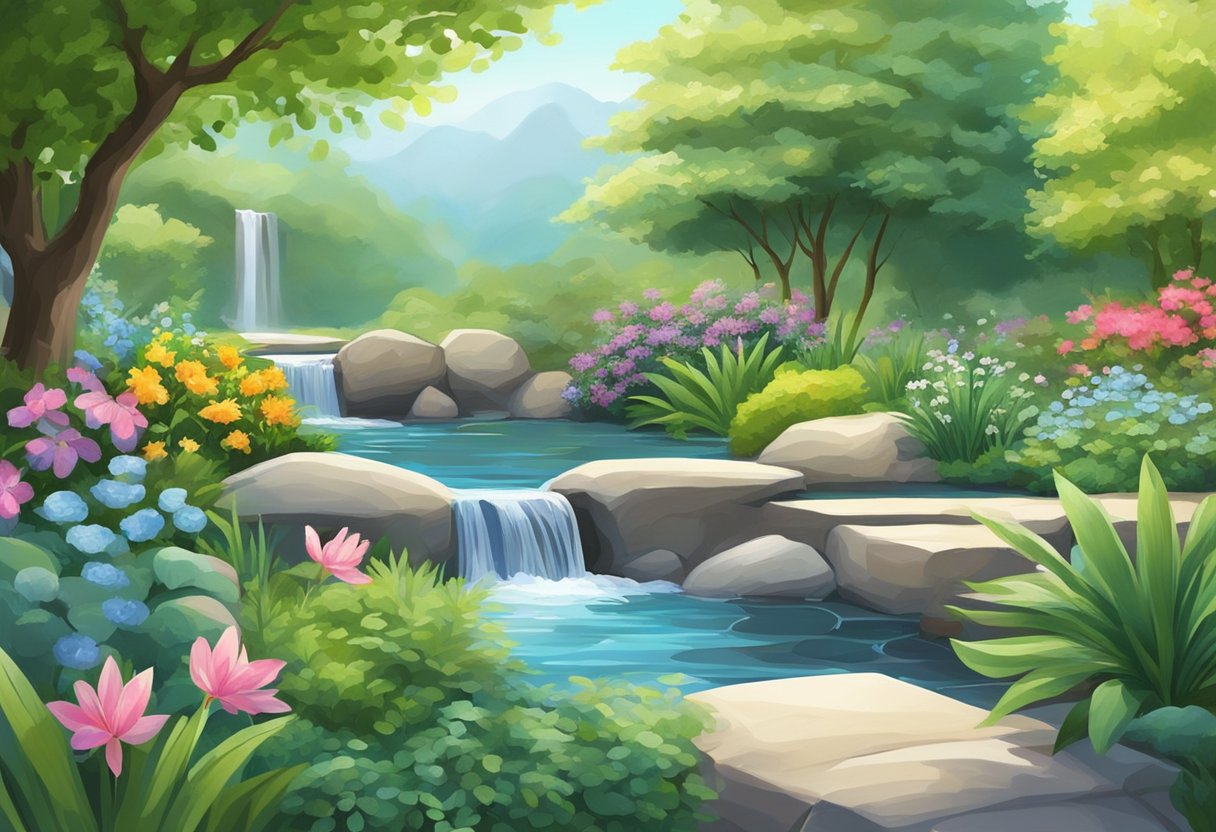
Qi practices can greatly improve your everyday life. You can use simple techniques to boost your energy, calm your mind, and create a more balanced environment.
Incorporating Qi Enhancement in Routine
Start your day with gentle stretching or Qigong exercises. These movements help wake up your body and get energy flowing.
Take deep breaths throughout the day. Focus on breathing from your belly to increase oxygen and qi flow.
Try mindful eating. Chew slowly and appreciate each bite to better absorb nutrients and qi from food.
End your day with a relaxing ritual. Take a warm bath or do light yoga to settle your energy before sleep.
Qi and Mental Well-Being
Practice meditation to calm your mind and balance your qi. Even 5-10 minutes daily can make a difference.
Use positive affirmations. Speak kind words to yourself to boost mental energy.
Try visualization exercises. Picture yourself surrounded by bright, healing energy to lift your mood.
Take short breaks during work. Step outside for fresh air to refresh your qi and clear your thoughts.
Energizing Spaces with Qi
Declutter your home. A tidy space allows qi to flow more freely.
Bring nature indoors. Add plants or a small fountain to boost positive energy in your living areas.
Use natural light when possible. Open curtains to let sunshine in and energize your space.
Arrange furniture to create open pathways. This helps qi circulate better in your home or office.
Consider colors carefully. Use calming tones in bedrooms and energizing hues in work areas to support qi flow.
Biomechanics of Ki in Martial Arts
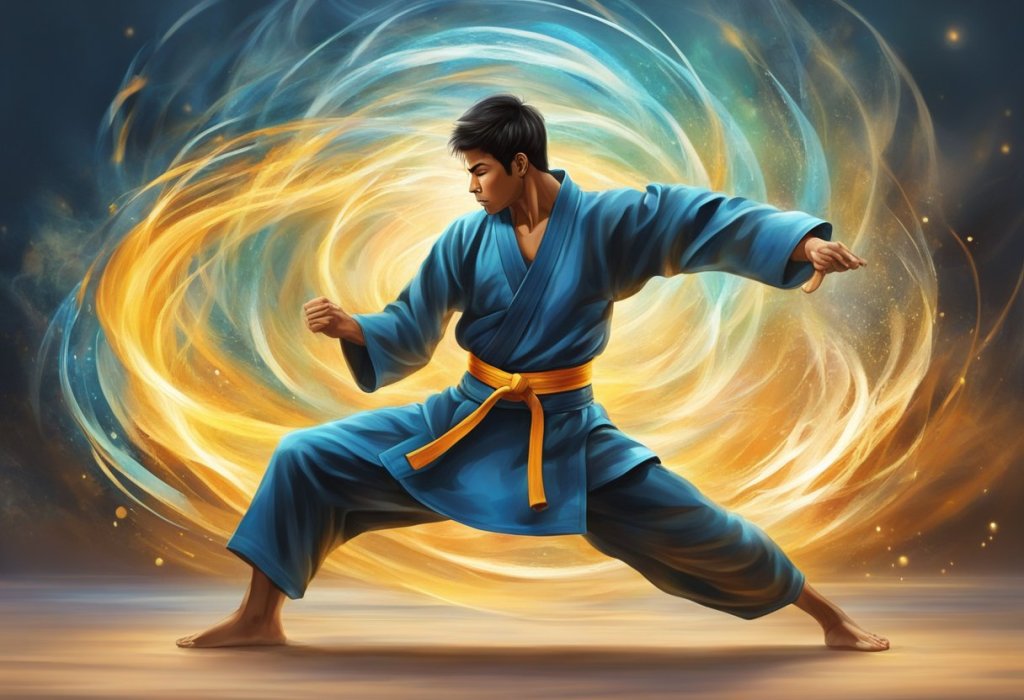
Ki plays a key role in many martial arts. It affects how practitioners move, extend their bodies, and apply force.
Let’s look at how Ki works in different techniques.
Ki in Aikido and Other Disciplines
In Aikido, Ki is central to all movements. You use Ki to blend with an attacker’s energy. This helps you redirect their force without using much strength.
Ki also shows up in other martial arts. In Tai Chi, you might hear it called “Qi”. Karate uses “Kiai” shouts to focus energy.
When you practice, focus on feeling Ki flow through your body. Imagine it extending out past your limbs. This can help improve your techniques.
The Art of Extension and Pointing
Extension is a key part of using Ki. You want to stretch out your arms and legs fully. This helps channel Ki to the tips of your fingers and toes.
Pointing is another important skill. When you point, think about sending Ki energy out through your finger. This can make your movements more powerful.
Try this: Stand with your arm out. Point at a target. Feel energy flowing from your center, down your arm, and out your finger. This is Ki extension.
Pushing and Pulling Techniques
Ki is crucial for pushing and pulling in martial arts. When you push, don’t just use arm strength. Instead, imagine Ki flowing from your center through your hands.
For pulls, think about drawing energy in. Picture Ki flowing from your opponent into your body. This can make your pulls more effective.
Practice these ideas with a partner. Push and pull while focusing on Ki flow. You might notice your techniques feel smoother and stronger.
Frequently Asked Questions
People often have questions about working with Ki and Qi energies. These topics cover how to enhance and use chi, differences between terms, healing applications, activation techniques, spiritual meaning, and benefits of developing energy skills.
How can one enhance their ability to harness chi energy?
You can boost your chi energy through regular practice. Try deep breathing exercises to increase oxygen flow. Meditation helps calm your mind and connect with your inner energy.
Gentle movements like tai chi or qigong can also strengthen your chi. Eating a balanced diet and getting enough sleep support your body’s natural energy.
What are the differences between Chi, Ki, and Qi?
Chi, Ki, and Qi all refer to life force energy. The terms come from different cultures but describe the same concept.
Chi is Chinese, Ki is Japanese, and Qi is another spelling of the Chinese term. They all mean the vital energy that flows through living things.
In what ways can chi energy be used for healing purposes?
Chi energy can support healing in many ways. Some people use qigong to improve health and reduce stress. You might try energy healing techniques like Reiki to balance your chi.
Acupuncture also works with chi energy to treat various health issues. These methods aim to remove energy blocks and restore healthy flow in your body.
What techniques are effective for activating one’s Ki energy?
To activate Ki energy, try focused breathing exercises. Imagine drawing energy into your body with each breath. Visualize the energy flowing through you.
Physical practices like aikido or tai chi can help you feel and direct Ki. Regular meditation also strengthens your connection to this energy.
What is the spiritual significance of Ki in various traditions?
Ki holds deep spiritual meaning in many traditions. In martial arts, it represents inner strength and power. Some spiritual practices see Ki as a connection to the universe or divine energy.
In healing traditions, balancing Ki is key to overall wellness. Many believe cultivating Ki leads to greater wisdom and spiritual growth.
What are the benefits of developing one’s Ki or Qi?
Developing your Ki or Qi can improve your health. Many people report more energy and less stress.
You might notice better focus and clearer thinking.
Physical benefits can include improved balance and flexibility. Some find it helps with pain relief.
Working with Ki may also boost your immune system and support emotional well-being.





Leave a reply to Proper Use of Acupressure Points: Maximizing Health Benefits Through Targeted Pressure – Potent U Cancel reply