Chakras are energy centers in the body that play a key role in our physical and mental well-being. These seven points, from the base of the spine to the crown of the head, each have unique meanings and functions. The chakra system represents different aspects of our body, life, breath, mind, and intellect.
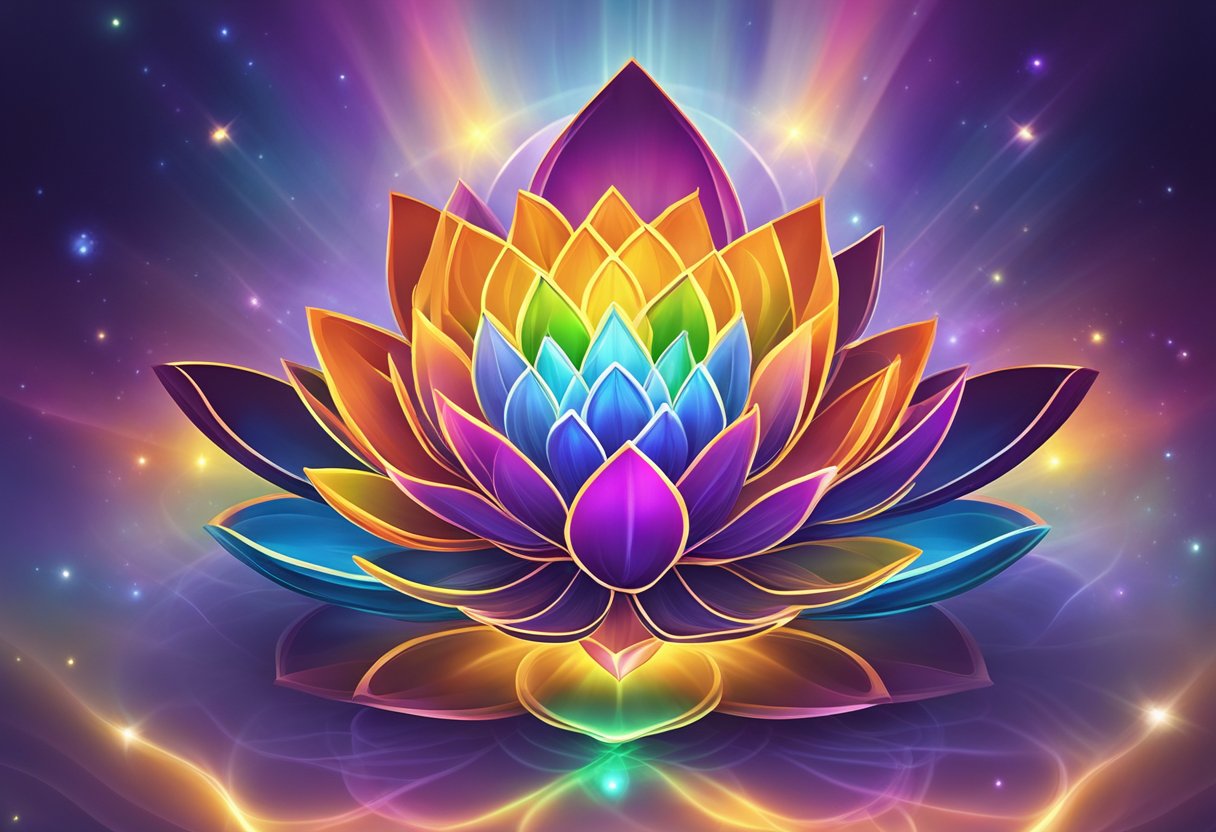
When your chakras are balanced, you may feel more energized and in harmony. Each chakra is linked to specific areas of your life.
For example, the root chakra relates to safety and security, while the heart chakra connects to love and compassion.
Learning about chakras can help you understand yourself better. You can use this knowledge to improve your life in many ways.
From boosting your confidence to enhancing your relationships, working with your chakras can lead to positive changes.
Key Takeaways
- Chakras are energy centers that influence your physical and mental health
- Each of the seven chakras represents different aspects of your life and well-being
- Understanding and balancing your chakras can lead to positive changes in your daily life
Foundations of the Chakra System
The chakra system is an ancient concept rooted in Eastern philosophy and spirituality. It describes energy centers in the body that influence physical and mental well-being.
Origins and Meaning of ‘Chakra’
The word chakra comes from Sanskrit, meaning “wheel” or “disk”. This term refers to spinning wheels of energy in your body. The idea of chakras first appeared in ancient Indian texts called the Vedas.
These energy centers are believed to affect your health and state of mind. When chakras are open and balanced, energy flows freely. If they’re blocked, you may feel off or unwell.
The chakra system connects to your nervous system and organs. It aims to balance your physical, emotional, and spiritual aspects.
The Seven Chakras Overview
Your body has seven main chakras, each tied to different areas of life:
- Root Chakra: Basic needs and safety
- Sacral Chakra: Emotions and creativity
- Solar Plexus Chakra: Self-esteem and confidence
- Heart Chakra: Love and compassion
- Throat Chakra: Communication and self-expression
- Third Eye Chakra: Intuition and wisdom
- Crown Chakra: Spiritual connection and enlightenment
Each chakra has its own color, location, and purpose. They work together to keep you balanced. Understanding these energy centers can help you identify areas of your life that need attention.
Deeper Understanding of Each Chakra
The seven chakras are energy centers in your body that play a key role in your physical, emotional, and spiritual well-being. Each chakra has its own unique properties and influences different aspects of your life.
Root Chakra (Muladhara)
The Root Chakra is found at the base of your spine. It’s linked to your sense of safety and survival instincts. When balanced, you feel secure and grounded.
Key aspects:
- Color: Red
- Element: Earth
- Purpose: Stability and security
Signs of imbalance:
- Feeling anxious or fearful
- Money problems
- Lack of focus
To balance your Root Chakra, try:
- Walking barefoot on grass
- Eating red foods like beets or strawberries
- Using grounding crystals such as hematite
Sacral Chakra (Swadhisthana)
Your Sacral Chakra is located in your lower belly. It governs creativity, pleasure, and sexuality. A balanced Sacral Chakra helps you enjoy life’s pleasures without excess.
Key aspects:
- Color: Orange
- Element: Water
- Purpose: Emotional balance and creativity
Signs of imbalance:
- Lack of motivation
- Emotional instability
- Low libido
To balance your Sacral Chakra, try:
- Dancing or doing hip-opening yoga poses
- Taking a warm bath
- Engaging in creative activities
Solar Plexus Chakra (Manipura)
The Solar Plexus Chakra sits in your upper abdomen. It’s tied to your self-esteem and personal power. When balanced, you feel confident and in control of your life.
Key aspects:
- Color: Yellow
- Element: Fire
- Purpose: Self-confidence and willpower
Signs of imbalance:
- Low self-esteem
- Difficulty making decisions
- Anger issues
To balance your Solar Plexus Chakra, try:
- Practicing power poses
- Eating yellow foods like bananas or corn
- Repeating positive affirmations
Heart Chakra (Anahata)
Your Heart Chakra is in the center of your chest. It’s all about love and compassion, both for yourself and others. A balanced Heart Chakra allows you to give and receive love freely.
Key aspects:
- Color: Green
- Element: Air
- Purpose: Love and relationships
Signs of imbalance:
- Difficulty in relationships
- Feeling isolated
- Holding grudges
To balance your Heart Chakra, try:
- Practicing loving-kindness meditation
- Spending time in nature
- Wearing green or pink clothing
Throat Chakra (Vishuddha)
The Throat Chakra is located in your throat area. It’s linked to communication and self-expression. When balanced, you can express yourself clearly and listen to others effectively.
Key aspects:
- Color: Blue
- Element: Ether
- Purpose: Communication and truth
Signs of imbalance:
- Difficulty expressing yourself
- Fear of speaking up
- Gossiping or lying
To balance your Throat Chakra, try:
- Singing or chanting
- Writing in a journal
- Drinking herbal teas
Third Eye Chakra (Ajna)
Your Third Eye Chakra is found between your eyebrows. It governs intuition and imagination. A balanced Third Eye Chakra enhances your insight and clarity of thought.
Key aspects:
- Color: Indigo
- Element: Light
- Purpose: Intuition and wisdom
Signs of imbalance:
- Lack of direction
- Poor memory
- Difficulty concentrating
To balance your Third Eye Chakra, try:
- Practicing meditation
- Using essential oils like lavender
- Reducing screen time before bed
Crown Chakra (Sahasrara)
The Crown Chakra is at the top of your head. It’s connected to your spiritual awareness and enlightenment. When balanced, you feel a sense of unity with the universe.
Key aspects:
- Color: Violet or white
- Element: Thought
- Purpose: Spiritual connection
Signs of imbalance:
- Feeling disconnected
- Lack of purpose
- Cynicism
To balance your Crown Chakra, try:
- Practicing mindfulness
- Spending time in quiet reflection
- Using crystals like amethyst or clear quartz
Working with Chakras in Daily Life
You can use simple practices to balance your chakras and improve your well-being. These methods can help reduce stress, boost confidence, and enhance your overall health.
Chakra Meditation and Breathing Exercises
Meditation and breathing exercises are powerful tools for chakra work.
To start, find a quiet space and sit comfortably. Focus on each chakra, starting from the root and moving up to the crown.
Visualize each chakra as a spinning wheel of energy. As you breathe deeply, imagine the chakra opening and becoming balanced. Use color visualization – picture each chakra in its associated color.
Try this simple chakra breathing exercise:
- Inhale for 4 counts
- Hold for 4 counts
- Exhale for 4 counts
- Repeat for 5-10 minutes
This practice can help unblock chakras and improve energy flow.
Yoga and Physical Postures
Yoga is an excellent way to balance your chakras through physical movement. Certain poses target specific chakras, helping to open and align them.
Here are some yoga poses for each chakra:
- Root: Mountain Pose, Tree Pose
- Sacral: Bridge Pose
- Solar Plexus: Boat Pose
- Heart: Camel Pose
- Throat: Shoulder Stand
- Third Eye: Child’s Pose
- Crown: Headstand
Practice these poses regularly to promote chakra balance.
Healing Practices and Techniques
There are many healing practices you can use to balance your chakras. Affirmations are a simple yet powerful tool. Repeat positive statements related to each chakra to reinforce balance.
Chakra healing can also involve:
- Crystal therapy
- Sound healing
- Color therapy
- Aromatherapy
- Reiki
Holistic approaches like Ayurveda and acupuncture can also help balance your chakras. These practices aim to restore the flow of prana or life energy throughout your body.
Try incorporating one or more of these techniques into your daily routine. With consistent practice, you may notice improvements in your physical, emotional, and spiritual well-being.
Impact of Imbalances and Blockages

Chakra imbalances and blockages can affect your physical and emotional health. These issues may cause various symptoms and disrupt your overall well-being.
Physical and Emotional Symptoms
When your chakras are blocked or imbalanced, you may experience physical discomfort and emotional issues. Common signs include:
- Fatigue and low energy
- Anxiety and depression
- Digestive problems
- Chronic pain
- Difficulty concentrating
Blocked chakras can impact different areas of your life, including relationships and creativity. For example, a blocked root chakra may lead to feelings of insecurity and fear. An imbalanced heart chakra can cause difficulty in forming and maintaining relationships.
Specific chakra issues can manifest in various ways. A blocked sacral chakra may cause reproductive health problems or difficulty expressing emotions. An imbalanced solar plexus chakra might result in low self-esteem or digestive issues.
Restoring Harmony and Health
To address chakra imbalances, you can try several techniques:
- Meditation and mindfulness practices
- Yoga and physical exercises
- Energy healing techniques like Reiki
- Using chakra stones and colors
Regular self-care practices can help maintain energetic flow and prevent blockages. Pay attention to your body and emotions to identify potential imbalances early.
Balancing your chakras can improve your overall well-being. When your chakras are aligned, you may feel more energetic, emotionally stable, and connected to yourself and others.
Cultural and Historical Significance
Chakras have deep roots in ancient spiritual traditions and continue to influence modern practices. Their significance has evolved over time, shaping beliefs and practices across cultures.
The Chakras in Ancient Texts
The concept of chakras first appeared in ancient Hindu texts called the Vedas. These Sanskrit writings described chakras as energy centers in your body. They linked each chakra to specific aspects of your physical and spiritual life.
In these texts, chakras connected to nadis – energy channels in your body. Two important nadis were ida and pingala. These wrapped around your spine, intersecting at each chakra point.
The Vedas also spoke of kundalini energy. This powerful force was said to rest at the base of your spine. Through yoga and meditation, you could awaken this energy. It would then rise through your chakras, bringing enlightenment.
Modern Interpretations and Adaptations
Today, chakras play a role in many wellness practices. You might encounter them in yoga classes, meditation groups, or energy healing sessions.
Modern interpretations often blend ancient ideas with new concepts. For example, some practitioners link chakras to psychological states. Others connect them to physical health issues.
Crystal healing is one popular modern practice involving chakras. You might place specific stones on chakra points to balance your energy. Color therapy is another approach. It uses different hues to stimulate each chakra.
Breathwork and visualization are also common techniques. These practices aim to clear blockages and improve energy flow through your chakras.
Practical Applications and Benefits
Chakras offer ways to improve your life. They can help you grow and be more creative. Let’s explore how to use them.
Harnessing Chakra Energies for Personal Growth
You can use chakras to boost your well-being. Start by focusing on your root chakra. This can help you feel more stable and safe.
Next, work on your sacral chakra. It can make you more creative and in touch with your feelings.
Your solar plexus chakra is linked to personal power. When it’s balanced, you’ll feel more confident.
The heart chakra helps with love and compassion. A strong throat chakra can improve your communication. Your third eye chakra boosts intuition. Lastly, the crown chakra connects you to higher wisdom.
Try meditation or yoga to open your chakras. This can lead to better mental health and self-esteem.
Enhancing Creativity and Productivity
Balanced chakras can boost your creativity and work output. The sacral chakra is key for creative tasks. When it’s open, you’ll have more ideas and motivation.
Your solar plexus chakra helps you take action. It gives you the drive to finish projects. The throat chakra aids in sharing your ideas clearly.
Try these tips to enhance your chakras:
- Use color therapy
- Practice breathing exercises
- Try chakra-specific yoga poses
A strong root chakra helps you stay focused. It keeps you grounded when working. The third eye chakra sharpens your intellect and problem-solving skills.
Frequently Asked Questions

The chakra system has many aspects that people often want to know more about. These questions cover key points about the chakras’ functions, balancing techniques, and benefits.
What are the functions of the seven chakras?
The seven chakras each have unique roles in your body and mind. The root chakra grounds you and deals with basic needs. Your sacral chakra relates to emotions and creativity. The solar plexus chakra connects to personal power and confidence.
Your heart chakra centers on love and compassion. The throat chakra deals with communication. Your third eye chakra links to intuition and wisdom. The crown chakra connects you to spiritual awareness.
How can one unblock their chakras for better energy flow?
You can unblock chakras through various methods. Meditation focused on specific chakras can help. Yoga poses target different energy centers. Using crystals or essential oils may aid chakra balancing.
Sound therapy with singing bowls can clear blocked energy. Reiki and other energy healing practices also work on chakras. Regular self-reflection helps identify which chakras need attention.
What specific organs or areas of the body do the different chakras correspond to?
Each chakra links to certain body parts. The root chakra relates to your legs, feet, and tailbone.
Your sacral chakra connects to reproductive organs. The solar plexus chakra affects your digestive system.
The heart chakra links to your heart and lungs. Your throat chakra relates to the neck and thyroid.
The third eye chakra connects to your brain and eyes. The crown chakra affects your entire nervous system.
In what ways can the chakras be activated or balanced?
You can activate chakras through various practices.
Specific yoga poses target each chakra. Visualizations help focus energy on chakras.
Chanting mantras activates chakras through sound vibrations. Color therapy uses chakra-related colors for balance.
Eating foods associated with each chakra may help. Aromatherapy with essential oils can stimulate chakras.
Regular chakra cleansing rituals maintain balance.
How does understanding chakras benefit personal well-being?
Chakra knowledge aids self-awareness. It helps you pinpoint areas of emotional or physical imbalance.
Understanding chakras guides personal growth and healing. Chakra work can reduce stress and anxiety.
It may improve physical health by addressing energy blockages. Chakra balance promotes emotional stability and mental clarity.
What are the historical origins of the chakra system?
The chakra system has roots in ancient Indian traditions. It first appeared in early Hindu texts called the Vedas. The concept evolved in Tantric and Yogic practices over centuries.
Early Buddhist writings also mention chakras. The system spread to other cultures and spiritual practices over time. Modern interpretations blend traditional knowledge with new understandings of energy and wellness.




Leave a comment