Aromatherapy uses essential oils to improve health and well-being. Essential oils can help relieve stress, boost mood, and ease some health issues when used correctly. You can enjoy aromatherapy at home or get treatments from professionals.
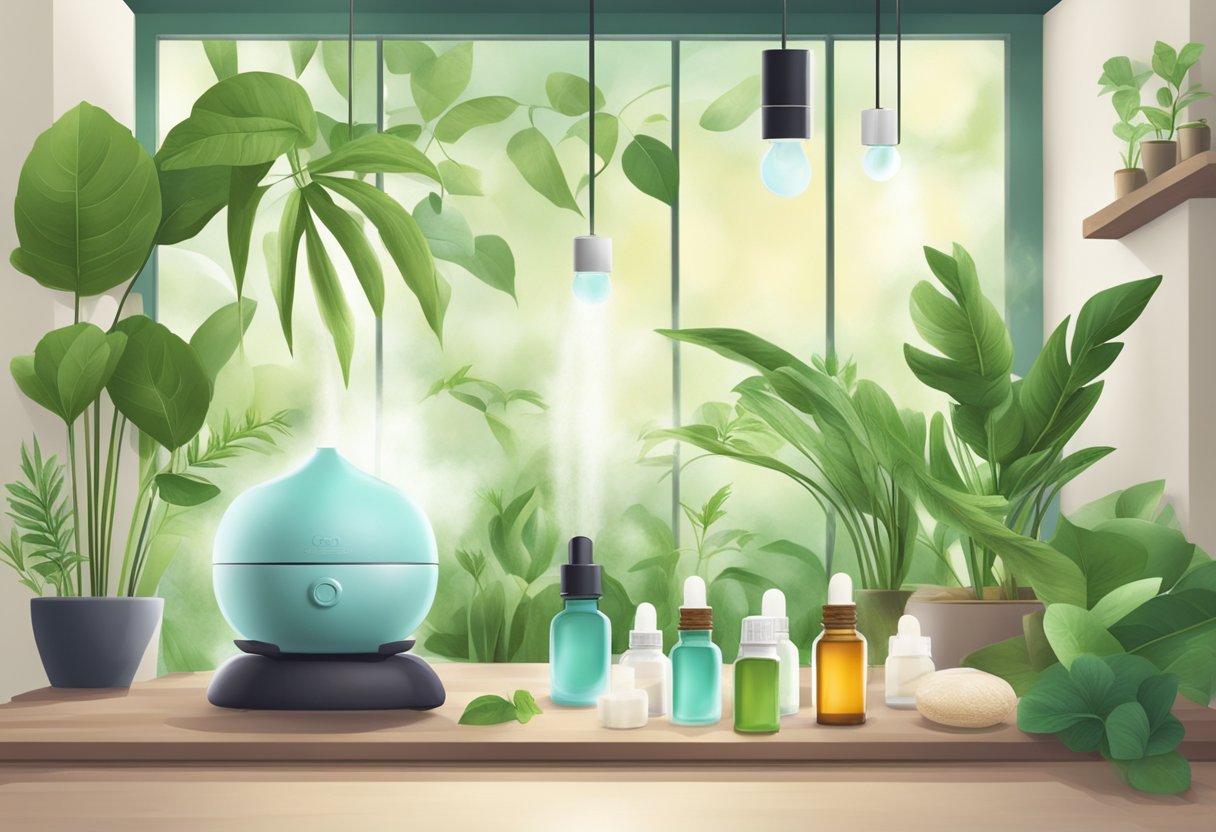
To get the most out of aromatherapy, it’s important to know the best ways to use essential oils safely. This includes picking the right oils, mixing them properly, and applying them correctly.
Learning these skills can help you create effective blends for different needs.
When done right, aromatherapy can be a nice addition to your self-care routine. It’s a natural way to support your health that many people find relaxing and enjoyable.
In this post, we’ll cover the basics you need to know to start using aromatherapy safely and effectively.
Key Takeaways
- Essential oils can provide health benefits when used properly in aromatherapy
- You can use aromatherapy at home or get professional treatments
- Learning safe practices helps you get the most out of aromatherapy
Understanding Aromatherapy
Aromatherapy uses plant extracts and essential oils to promote health and well-being. It works through the sense of smell and skin absorption.
Let’s explore its history, key concepts, and different types.
History and Development
Aromatherapy has ancient roots. Early civilizations used plant oils for religious and medical purposes. The Egyptians created perfumes and medicines with aromatic plants.
In the 1920s, French chemist René-Maurice Gattefossé coined the term “aromatherapy.” He discovered lavender oil’s healing properties after a lab accident. This sparked modern aromatherapy research.
Today, aromatherapy is part of complementary medicine. It’s used in hospitals, spas, and homes worldwide. Scientific studies now explore its effects on stress, pain, and mood.
Key Concepts and Terminology
Essential oils are the core of aromatherapy. They’re concentrated plant extracts that capture the plant’s scent and flavor.
Common oils include lavender, peppermint, and eucalyptus.
Here are key terms:
- Carrier oils: Used to dilute essential oils
- Diffusion: Spreading oil scent in the air
- Inhalation: Breathing in oil vapors
- Topical application: Applying oils to the skin
The olfactory system plays a crucial role in aromatherapy. When you smell an oil, it triggers responses in your brain and body.
Types of Aromatherapy
Aromatherapy comes in various forms to suit different needs:
- Inhalation: Using diffusers or steam inhalation
- Topical: Massages, baths, or compresses
- Internal: Ingesting oils (only under professional guidance)
Blending techniques create custom oil mixes. These include:
- Layering: Applying oils one at a time
- Mixing: Combining oils for new scents
- Contrasting: Pairing different scent types
Each method has unique benefits. Inhalation works quickly for mood. Topical use helps with skin and muscle issues. Always follow safety guidelines when using essential oils.
Essential Oils
Essential oils are concentrated plant extracts that capture the natural scents and beneficial properties of aromatic plants. They form the foundation of aromatherapy practices. Quality and purity are crucial when selecting oils for therapeutic use.
Extraction and Composition
Essential oils are obtained through various methods. Steam distillation is the most common technique. It uses steam to separate the oil from plant material.
Cold pressing is another method, often used for citrus peels. This process squeezes the oil out mechanically.
The chemical makeup of essential oils is complex. They contain volatile organic compounds that give each oil its unique scent and effects.
Terpenes are a key component. These molecules contribute to the oil’s aroma and potential health benefits.
Standardization ensures consistent quality across batches. This process maintains specific levels of active compounds.
Profiles of Common Oils
Lavender oil is known for its calming properties. You can use it to promote relaxation and improve sleep quality.
Peppermint oil has a cooling effect. It may help with headaches and boost energy levels.
Tea tree oil has antimicrobial qualities. You can apply it topically for skin issues.
Eucalyptus oil is often used for respiratory support. It can help clear congestion when inhaled.
Chamomile oil is gentle and soothing. It’s good for skin care and stress relief.
Bergamot oil has a citrusy scent. It may help lift mood and reduce anxiety.
Selecting High-Quality Oils
Look for oils labeled as “100% pure” or “therapeutic grade”. These terms suggest higher quality.
Check for the plant’s Latin name on the label. This ensures you’re getting the specific species you want.
Avoid oils labeled as “fragrance oils”. These are often synthetic and lack therapeutic benefits.
Choose oils in dark glass bottles. This protects them from light damage.
Reputable suppliers provide detailed information about their sourcing and testing methods.
Consider the extraction method. Cold-pressed or steam-distilled oils are often preferred for purity.
Test a small amount on your skin before using. This helps you check for any adverse reactions.
Administration Methods
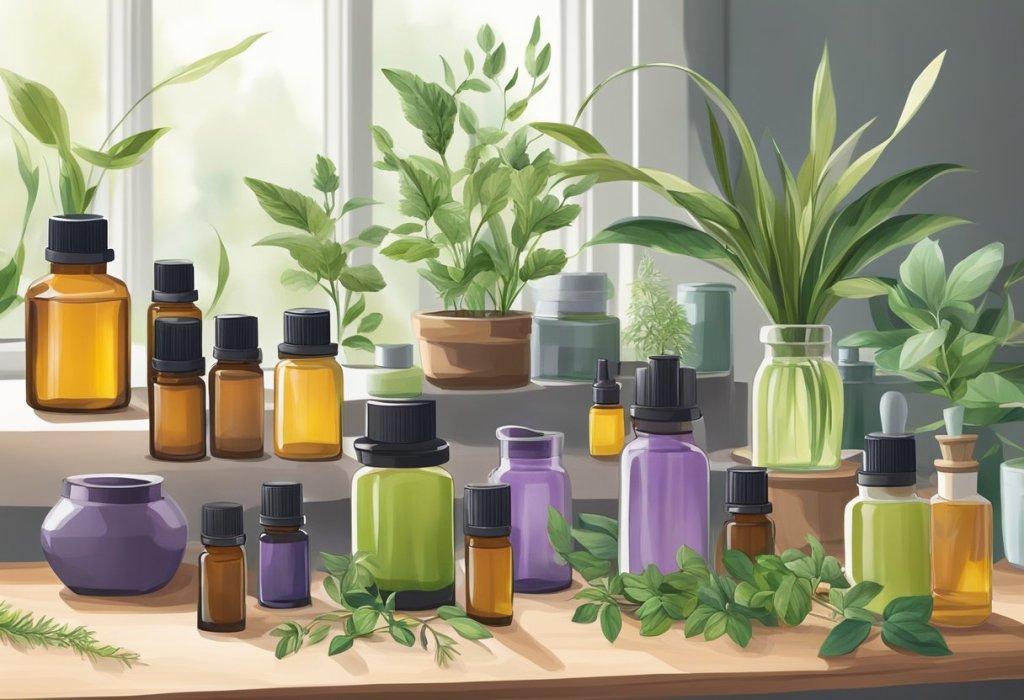
Essential oils can be used in several ways for aromatherapy. Each method has its own benefits and best practices. Let’s explore the main approaches to using essential oils effectively.
Inhalation Approaches
Inhalation is a popular way to use essential oils. You can use a diffuser to spread oil molecules in the air. This lets you breathe them in easily.
Direct inhalation works well too. Put a few drops of oil on a cloth and breathe in the scent. Or, add oils to hot water and inhale the steam.
Your olfactory system picks up these scents. This can affect your mood and well-being.
Be careful not to use too much oil. Start with just 1-2 drops and see how you feel.
Topical Application
Putting oils on your skin is another good method. But never apply them directly. Always mix them with a carrier oil first.
Good carrier oils include coconut, jojoba, or almond oil. Mix 2-3 drops of essential oil with a tablespoon of carrier oil.
Apply this blend to your skin. Common spots are the neck, wrists, and feet.
Some oils can irritate skin. Do a patch test first to check for reactions.
Aromatherapy in Baths
Adding oils to your bath can be very relaxing. Mix 5-10 drops of oil with bath salts or a cup of milk.
Pour this into your warm bathwater. The oils will disperse in the water.
Soak for 15-20 minutes to enjoy the benefits. This method combines inhalation and skin absorption.
Be careful with strong oils like peppermint. They might irritate sensitive areas.
Always check oil safety before using them in a bath.
Therapeutic Benefits
Aromatherapy offers a wide range of health benefits. It can improve your mental state, help with physical ailments, and enhance your skin’s appearance. Let’s explore these areas in more detail.
Mental and Emotional Health
Aromatherapy can boost your mood and ease stress. Essential oils can impact the emotional center of your brain, helping you feel calmer and more balanced.
Lavender oil is known for its calming effects. It may help reduce anxiety and improve sleep quality. Try diffusing it in your bedroom before bed.
Citrus oils like lemon and orange can lift your spirits. They’re great for fighting fatigue and improving focus.
Peppermint oil might enhance your cognitive function. It could help you stay alert and concentrate better during work or study sessions.
If you’re feeling down, try rosemary or bergamot oils. They may help ease symptoms of depression and boost your overall mood.
Physical Health
Aromatherapy can also support your physical well-being. Many essential oils have anti-inflammatory properties that may help with various health issues.
Eucalyptus oil might ease breathing problems. It’s often used for colds, allergies, and sinus congestion.
Ginger oil can help with nausea. It’s especially useful for motion sickness or morning sickness during pregnancy.
Peppermint oil may relieve headaches. Try applying a diluted version to your temples for quick relief.
Tea tree oil has antimicrobial properties. It can help fight skin infections and boost your immune system.
For muscle aches, try marjoram or chamomile oils. They have pain-relieving properties that might ease your discomfort.
Skin and Beauty
Essential oils can work wonders for your skin. They’re often used in natural skincare products for their various benefits.
Tea tree oil is great for acne-prone skin. It helps fight bacteria and reduce inflammation.
Lavender oil can soothe irritated skin. It’s gentle enough for most skin types and may help with minor burns or cuts.
Rose oil is known for its anti-aging properties. It can help hydrate dry skin and reduce the appearance of fine lines.
Frankincense oil might improve skin tone. It could help even out your complexion and reduce the appearance of scars.
For oily skin, try geranium oil. It can help balance oil production and minimize pores.
Remember to always dilute essential oils before applying them to your skin. A patch test is recommended to check for any allergic reactions.
Best Practices and Safety
Proper techniques and knowledge are key for safe aromatherapy use. Following guidelines on dilution, application, and understanding potential reactions helps prevent issues. Getting the right education also ensures you use essential oils correctly.
Dilution and Application Techniques
Always dilute essential oils before skin use. Mix them with a carrier oil like jojoba or coconut oil. A good rule is 2-3 drops of essential oil per teaspoon of carrier oil.
For diffusing, use 3-5 drops in water. Don’t diffuse for more than 30-60 minutes at a time.
When applying to skin, do a patch test first. Put a small amount on your inner arm and wait 24 hours to check for reactions.
Never ingest essential oils unless directed by a qualified professional. Some oils can be toxic when swallowed.
Understanding Adverse Effects
Essential oils may cause side effects in some people. Watch for skin irritation, rashes, or breathing issues.
Stop use right away if you notice any bad reactions. Wash the area with soap and water.
Some oils increase sun sensitivity. Avoid sun exposure after using citrus oils on your skin.
Certain oils aren’t safe for kids, pregnant women, or pets. Always check which oils are okay for each group.
Keep oils away from eyes and mucous membranes. If contact occurs, flush with a carrier oil, not water.
Certification and Education
Get proper training before using essential oils on others. Look for courses from reputable aromatherapy schools.
Certification shows you understand safety and best practices. Groups like the Alliance of International Aromatherapists offer programs.
Learn about each oil’s properties and risks before use. Keep up with new research and guidelines.
Buy oils from trusted sources. Check that they’re pure and properly labeled.
Don’t rely on internet advice alone. Consult qualified aromatherapists for personalized guidance.
Incorporating Aromatherapy into Lifestyle
Aromatherapy can be a powerful tool for improving your daily life. It offers many ways to enhance your well-being and complement other health practices.
Holistic Approaches
Aromatherapy fits well into a holistic lifestyle. You can use essential oils to support both physical and emotional health. Try diffusing lavender oil before bed to help you relax.
Put a few drops of peppermint oil on a tissue to inhale when you need an energy boost. Add eucalyptus oil to your shower for a refreshing start to your day.
Massage is another great way to use aromatherapy. Mix a few drops of your favorite oil with a carrier oil and rub it on sore muscles. This can help ease tension and promote relaxation.
Creating Synergy with Other Natural Remedies
Aromatherapy works well with other natural healing methods. You can combine it with practices like yoga or meditation to boost their effects. Try diffusing calming oils during your yoga session.
Add essential oils to your bath along with Epsom salts for a deeply relaxing soak. Use aromatherapy alongside herbal teas for a soothing bedtime routine.
You can also blend different oils to create custom scents. This allows you to target multiple wellness goals at once. For example, mix lavender and chamomile for extra calming power.
Preclinical and Clinical Studies
Research on aromatherapy is growing. Some studies show promising results for certain uses. For instance, lavender oil may help reduce anxiety in some people.
Peppermint oil has been studied for its potential to ease headaches. Tea tree oil shows some promise for treating skin conditions.
However, more research is needed in many areas. It’s important to note that results can vary from person to person. Always talk to your doctor before using aromatherapy for any health concerns.
Frequently Asked Questions
Aromatherapy offers many benefits and can be practiced in various ways. Selecting the right products and methods is key to getting the most out of this holistic approach.
What are the key benefits of incorporating aromatherapy into daily life?
Aromatherapy can help you relax and reduce stress. It may improve your sleep quality and boost your mood. Some people find it eases headaches and muscle tension.
Essential oils used in aromatherapy might support your immune system. They can also freshen the air in your home naturally.
How do you choose the right aromatherapy products for specific needs?
Start with common oils like lavender, peppermint, and lemon. These are versatile and good for beginners.
Think about what you want to achieve. For relaxation, try lavender or chamomile. For energy, consider citrus oils like lemon or orange.
Read product labels carefully. Look for pure, high-quality essential oils without additives.
What are the scientific principles behind the effectiveness of aromatherapy?
Aromatherapy works through your sense of smell. When you breathe in essential oil molecules, they affect your limbic system.
This part of your brain influences emotions, behavior, and memory. It’s why certain scents can change how you feel.
Some oils have antimicrobial properties. Others may affect your body’s chemistry when absorbed through your skin.
Can you describe some common aromatherapy practices and their purposes?
Diffusion spreads essential oil scents through the air. It’s great for creating a calm atmosphere or freshening up a room.
Massage with diluted essential oils can help soothe sore muscles. It combines the benefits of touch with aromatherapy.
Adding oils to a bath can promote relaxation. It’s a nice way to unwind at the end of a long day.
What methods are most effective for performing aromatherapy at home?
Using a diffuser is simple and effective. It’s a good way to enjoy aromatherapy benefits throughout your home.
Making your own blends can be fun and cost-effective. Mix oils with a carrier oil for safe use on your skin.
Inhaling oils directly from the bottle or a tissue can provide quick results. It’s useful when you’re on the go.
What should one look for when selecting a professional aromatherapist?
Choose someone with proper training and certification. Look for credentials from reputable aromatherapy organizations.
Ask about their experience and approach. A good aromatherapist will take time to understand your needs.
Check if they use high-quality, pure essential oils. They should be able to explain their selection process.






Leave a comment