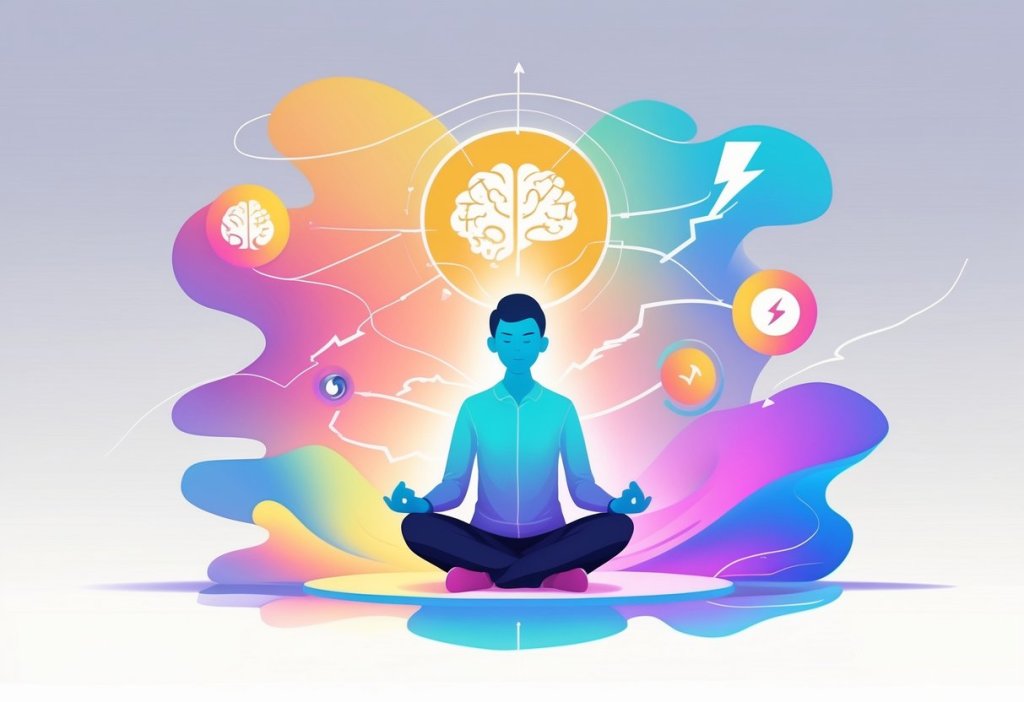
Flicker entrainment uses rhythmic light or sound pulses to guide your brainwaves into specific patterns. This process, also called photic stimulation or neural entrainment, works by syncing your brain’s natural rhythms with external flickers. You can use flicker entrainment to support relaxation, sharpen focus, improve cognitive performance, and explore safe, non-drug ways to influence brain activity.

When you engage with light flicker therapy, your brain may enter altered states of consciousness similar to deep meditation. Research shows that synchronized brainwaves can enhance neuroplasticity, support brain health, and even aid in mental well-being. Many people explore this method for stress reduction, better sleep, or mental clarity without relying on medication.
You might wonder if flicker entrainment is safe. Studies using light and sound flicker stimulation suggest it can be well-tolerated when applied correctly, though intensity and frequency must be adjusted for comfort. With the right approach, it becomes a flexible tool to explore both relaxation and cognitive enhancement.
——————————————————————————————
Here are some related books to help your on your journey:
1. Brainscapes: The Warped, Wondrous Maps Written in Your Brain
2. The Brain That Changes Itself: Stories of Personal Triumph from the Frontiers of Brain Science
3. Rhythms of the Brain
FYI – If you decide to purchase any of the above book recommendations, Potent U will get a small referral fee from Amazon. This fee does not affect the price you pay. You would pay the same price regardless. Thank you for your support!
——————————————————————————————
Key Takeaways
- Flicker entrainment aligns brainwaves with rhythmic light or sound.
- It can support relaxation, focus, and overall brain health.
- Safe use depends on proper adjustment of frequency and intensity.
Flicker Entrainment and Brainwave Synchronization
Flicker entrainment uses rhythmic light patterns to align your brain’s electrical activity with external visual input. This process can influence neural oscillations linked to attention, relaxation, and memory by guiding your brainwaves into specific frequency ranges.
Mechanisms of Flicker Entrainment
When you view light pulses at regular intervals, your brain naturally responds by synchronizing its electrical rhythms with the stimulus. This process is called neural entrainment.
Different frequencies of flicker can encourage different brainwave states. For example:
- Alpha waves (8–12 Hz): linked to calm focus and relaxation
- Theta waves (4–7 Hz): associated with drowsiness and meditative states
- Gamma waves (~40 Hz): tied to memory and attention
Research shows that light flickering at around 40 Hz can boost gamma activity and may support cognitive performance and memory. Studies using EEG confirm that the brain’s oscillations shift in response to this kind of stimulation, showing measurable synchronization between flicker input and brainwave patterns.
Comparison With Other Brainwave Entrainment Methods
Flicker entrainment is one form of brainwave entrainment, but it is not the only one. Other methods include:
| Method | Stimulus Type | Common Uses |
|---|---|---|
| Binaural beats | Auditory | Relaxation, sleep, focus |
| Isochronic tones | Auditory | Meditation, attention |
| Audio/visual stimulation | Combined sound + light | Deep relaxation, altered states |
Unlike auditory methods, flicker entrainment directly stimulates your visual system, which often produces stronger synchronization effects in EEG recordings. While binaural beats rely on subtle auditory processing, flicker stimulation provides a more direct and measurable way to influence neural oscillations.
You may find that combining flicker with sound-based methods enhances results, but each approach has its own advantages depending on your goals.
Role of Photic Stimulation and Visual Cortex
Photic stimulation is the technical term for using rhythmic light to influence brain activity. When you are exposed to flickering light, your visual cortex processes the pulses and sends signals that spread across other brain regions.
This synchronization is known as a steady-state visual evoked potential (SSVEP). Studies on light flickering stimulation show that SSVEP responses demonstrate how the brain locks onto the external rhythm.
Because the visual cortex is highly sensitive to frequency-specific input, flicker stimulation can reliably entrain brainwaves across a range of bands. For example, low-frequency flicker may encourage theta rhythms useful for meditation, while higher frequencies may enhance gamma activity linked to attention and learning.
This makes photic stimulation a flexible and non-drug method for guiding brainwave synchronization.
Benefits, Applications, and Safety of Flicker Light Therapy
Flicker light therapy uses rhythmic visual stimulation to influence brain activity and support mental performance. Research links this method to improvements in cognitive function, mood regulation, and relaxation, while also raising important questions about safety and individual suitability.
Cognitive Performance Enhancement and Neuroplasticity
When you expose your brain to rhythmic flicker at specific frequencies, it can synchronize with natural brainwave patterns. This process, called visual entrainment, may strengthen neural pathways and support neuroplasticity, which is your brain’s ability to adapt and learn.
Studies show that flicker around 40 Hz can boost gamma oscillations, which are linked to memory, attention, and learning. In some trials, this stimulation improved mental performance in tasks that required focus and problem-solving.
Researchers in cognitive neuroscience use tools like magnetic resonance imaging (MRI) to study how flicker entrainment changes brain activity. Findings suggest that stimulation may enhance connectivity between brain regions involved in executive function.
You may find this useful if you want to improve cognitive function for study, work, or personal growth. Unlike drugs or supplements, flicker therapy works through non-invasive brain stimulation and does not rely on chemicals.
Mental Health, Relaxation, and Non-Drug Brain Stimulation
Flicker light therapy has been studied for its potential to support mental health. By influencing brainwave states, it may help reduce anxiety, stress, and symptoms of depression. Some clinical research explores its role in treating neuropsychiatric disorders where mood regulation is impaired.
Certain frequencies promote relaxation by encouraging slower brain rhythms similar to those seen in calm or meditative states. This can help you unwind after stress or prepare for sleep.
Because flicker therapy is a form of non-drug brain stimulation, it appeals to people who want alternatives to medication. It can be combined with other techniques such as headphones delivering sound entrainment or guided breathing to deepen the effect.
You may also find that regular use helps stabilize mental states, making it easier to focus, rest, or recover from daily stress. However, responses vary, and results are not guaranteed.
Meditation With Light and Altered States of Consciousness
Some people use flicker light therapy as a tool for meditation. When you sit with rhythmic light stimulation, your brain may enter patterns linked to deep meditation without years of training.
This practice can lead to altered states of consciousness, such as heightened awareness, a sense of stillness, or changes in time perception. These effects come from the way flicker entrainment synchronizes brainwaves with external rhythmic input.
You might use this method to enhance your meditation routine, especially if you find it difficult to quiet your mind. Devices with adjustable settings let you select frequencies that match your goals, whether for relaxation or focus.
Some systems even include a graphical user interface (GUI) that combines visual and auditory cues, giving you multiple types of sensory input for stronger entrainment.
Safety Considerations and Suitability
While flicker light therapy shows promise, safety is an important factor. Exposure to flickering light can trigger seizures in people with photosensitive epilepsy, so you should avoid it if you have this condition.
Even without epilepsy, some users report eye strain, headaches, or fatigue when exposed to strong or prolonged flicker. Devices designed for light therapy often include settings to reduce these risks, such as adjustable brightness and frequency control.
Clinical trials, including research on Alzheimer’s disease using 40 Hz stimulation, suggest that controlled use is generally well-tolerated. You can read more about this in studies on 40 Hz non-invasive light therapy.
If you are considering flicker entrainment for personal growth or mental health, it is best to start with short sessions and consult a healthcare professional if you have neurological conditions. This ensures the therapy fits your needs and minimizes unwanted effects.
Frequently Asked Questions
Flicker entrainment uses rhythmic light stimulation to influence brain activity. Research shows it can support cognitive functions, encourage relaxation, and provide a non-drug way to explore changes in brain states. Safety depends on frequency, intensity, and individual health factors.
What are the potential benefits of flicker entrainment for cognitive performance enhancement?
You may experience sharper focus and improved learning when light flicker stimulation helps align your brainwaves. Studies suggest that certain frequencies can enhance memory and attention. This effect is linked to the synchronization of neural activity, which supports faster information processing.
How does brainwave entrainment through photic stimulation influence neuroplasticity?
Photic stimulation can encourage your brain to adapt by strengthening connections between neurons. Research indicates that flickering light can entrain brainwaves, which may help reinforce pathways tied to learning and memory. Over time, this process supports neuroplasticity, the brain’s ability to reorganize itself.
In what ways can light flicker therapy be used to promote mental health and relaxation?
You can use light flicker therapy to ease stress and reduce anxiety. Protocols in the 7–10 Hz range, often linked with alpha brainwaves, are associated with calming effects and stress reduction. These frequencies may help you enter a relaxed state similar to meditation.
What are the safety considerations associated with flicker light therapy?
Flicker light therapy is generally safe, but certain risks exist. High-risk frequencies, such as flashing red-blue light around 15 Hz, may trigger seizures in people prone to epilepsy, as noted in clinical reviews. You should also avoid overly intense light or long exposure without breaks.
How does neural entrainment contribute to achieving altered states of consciousness during meditation?
When your brainwaves synchronize with external flicker patterns, you may enter deeper meditative states. This process, called neural entrainment, helps shift your awareness by stabilizing rhythms tied to relaxation or introspection. It can make meditation feel more immersive and focused.
Can non-drug brain stimulation methods like flicker entrainment improve overall brain health?
Non-invasive methods such as flicker entrainment show promise for supporting long-term brain health. Research suggests that light flickering at 40 Hz may promote sleep and brain function, which are important for cognitive resilience. While more clinical trials are needed, early findings point to potential benefits for memory and neurological conditions.
——————————————————————————————
Here are some related books to help your on your journey:
1. Brainscapes: The Warped, Wondrous Maps Written in Your Brain
2. The Brain That Changes Itself: Stories of Personal Triumph from the Frontiers of Brain Science
3. Rhythms of the Brain
FYI – If you decide to purchase any of the above book recommendations, Potent U will get a small referral fee from Amazon. This fee does not affect the price you pay. You would pay the same price regardless. Thank you for your support!
——————————————————————————————



Leave a comment