In our always-connected digital age, more people are turning to intentional solitude as a way to find peace and clarity. The practice of solitude helps you develop inner calm and personal autonomy, which leads to more meaningful engagement with the world around you.
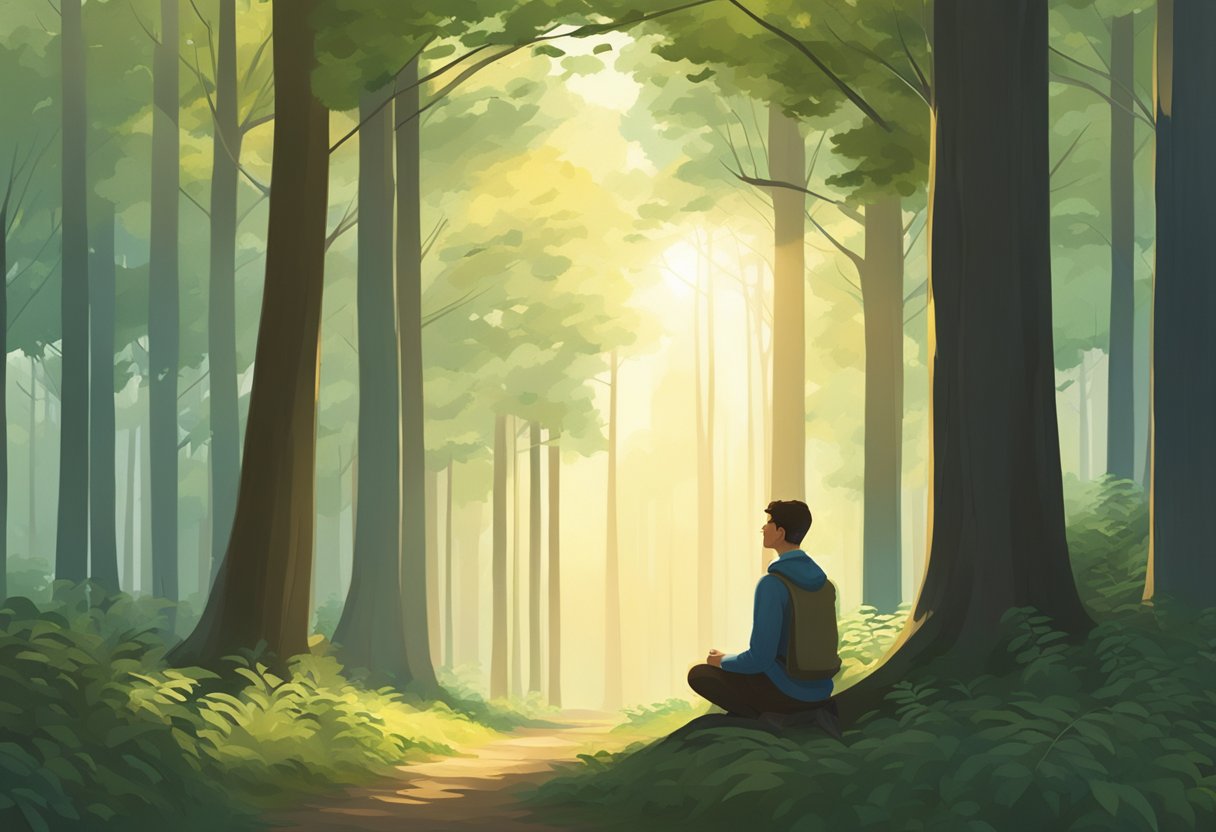
The rise of eremitism – choosing to live in isolation – isn’t about completely cutting off from society. It’s about finding a balance between connection and meaningful alone time. You can practice solitude while maintaining essential relationships and responsibilities.
Your ability to be comfortable alone shapes how you interact with others and approach challenges. When you embrace solitude, you gain mental clarity and creative insights that are harder to access in constant connection with others.
Key Takeaways
- Regular periods of solitude strengthen your emotional well-being and self-awareness
- Intentional alone time improves your ability to form deeper connections with others
- Practicing solitude enhances creativity and problem-solving skills
The Evolution of Eremitism

The practice of seeking solitude has evolved from ancient religious traditions to become a modern response to digital overwhelm. People now embrace temporary or permanent withdrawal from society to find deeper meaning and reconnect with themselves.
Historical Precedents of Solitude
Ancient spiritual seekers like Desert Fathers and Buddhist monks pioneered intentional solitude as a path to enlightenment. These early hermits lived in caves, remote forests, and mountaintops.
Religious traditions across cultures have long valued periods of isolation for spiritual growth. Medieval Christian mystics and Taoist sages would spend years in contemplative seclusion.
Your modern understanding of eremitism stems from these historical figures who showed how solitude could lead to profound insights and personal transformation.
Modern Eremitism and the Quest for Silence
Today’s need for quietude emerges from constant digital connectivity and urban noise. You might seek temporary retreats or create dedicated quiet spaces at home.
Digital minimalism and “social media fasts” represent new forms of modern eremitism. These practices help you disconnect from technology’s constant demands.
Many people now build tiny homes or convert vans for mobile solitude. These options let you move between social connection and peaceful isolation as needed.
The Role of Accessibility in Solitary Lifestyles
Self-reflection and quietude are more accessible than ever. You can practice solitude through daily meditation, weekend retreats, or dedicated quiet rooms.
Technology paradoxically enables modern hermitage. Remote work allows you to live in isolated locations while maintaining income streams.
Urban hermits create solitude within busy cities through soundproofing, time management, and intentional boundaries. You don’t need a mountaintop to find meaningful isolation.
Psychological and Creative Benefits
Time spent alone lets your mind process complex thoughts and unlock deeper insights that often stay hidden during social interactions.
Solitude as a Catalyst for Creativity
Being alone helps tap into deeper feelings that spark creative breakthroughs. When you remove external distractions, your mind naturally explores new connections and ideas.
Your brain needs space to wander and make unexpected mental leaps. During solitude, you can fully engage with your creative process without worrying about others’ judgments or expectations.
Artists, writers, and innovators throughout history have used intentional solitude to fuel their work. This isn’t about isolation – it’s about creating a productive space for your creativity to flourish.
The Link Between Silence and Concentration
Quiet time helps clear your busy mind and improves your ability to focus deeply on tasks. Your concentration naturally strengthens when you reduce sensory input.
In silence, you can notice subtle thoughts and patterns that usually get drowned out by noise. This heightened awareness leads to better problem-solving and decision-making.
Try these concentration-boosting techniques during solitude:
- Set aside 30 minutes of complete silence
- Practice mindful breathing
- Work in a quiet room away from devices
- Take regular breaks in nature
Social Implications and Communication
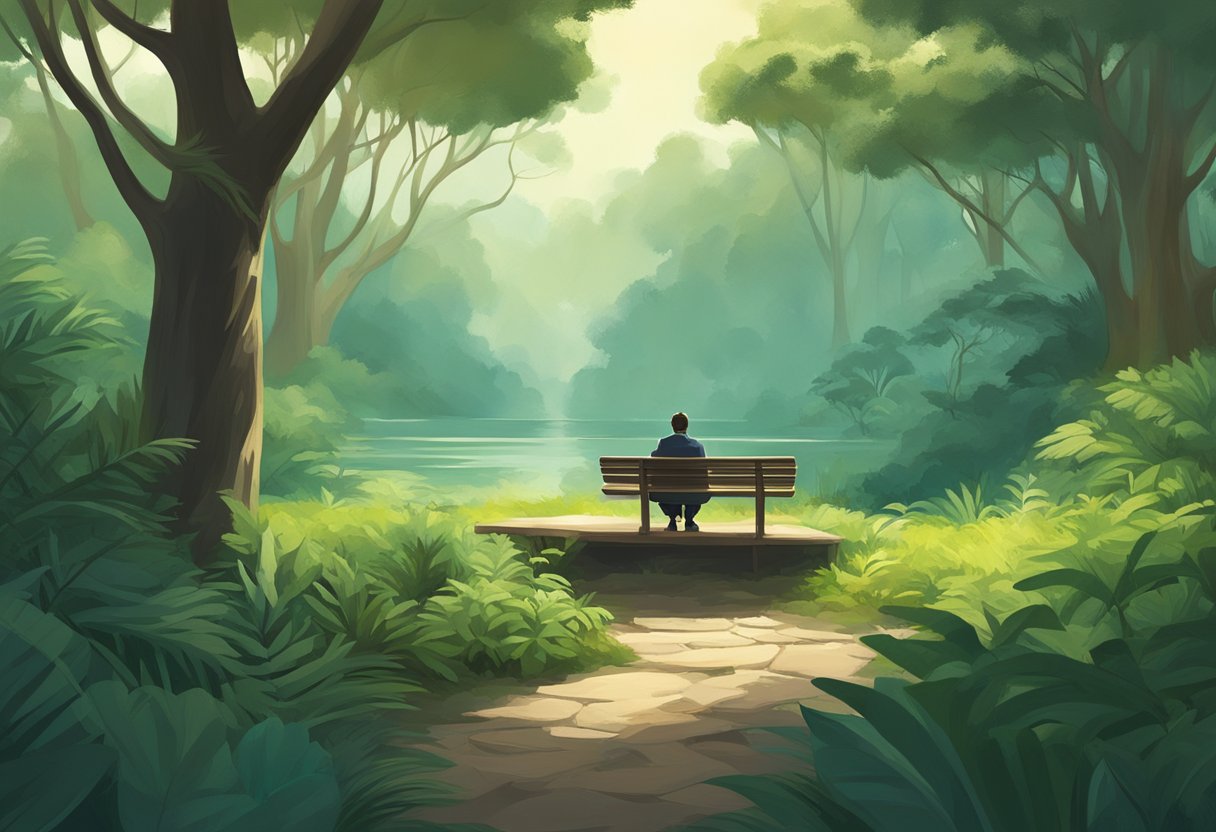
Modern life requires finding the right mix between alone time and social connection. The ways we interact shape both our inner peace and outer relationships.
Balancing Solitude with Social Interaction
The art of solitude helps you develop inner strength while staying connected to others. You need quiet time to process your thoughts and feelings.
Set clear boundaries between your social and alone time. Pick 2-3 close friends to maintain deep connections with, rather than spreading yourself thin across many shallow relationships.
Your alone time makes social interactions more meaningful. When you’re comfortable being by yourself, you can be more present and authentic with others.
Communication in a Hyperconnected Environment
Digital tools can both help and hurt genuine connection. In our hyperconnected age, you must choose how and when to engage online.
Tips for Mindful Communication:
- Turn off notifications during focused work
- Schedule specific times to check messages
- Choose voice/video calls over text when possible
- Take regular breaks from screens
The power of solitude lets you step back and communicate more intentionally.
The Margins of Society and Isolation
Some people face unwanted isolation due to circumstances beyond their control. Social barriers, disability, or location can limit interaction options.
Build support systems that work for your situation. Online communities can provide connection while respecting your need for physical space.
Remember that choosing solitude differs from forced isolation. Create a balanced approach that fits your social needs and energy levels.
Challenges and Misconceptions of Solitude
Many people misunderstand solitude and view it with fear or judgment. The choice to spend time alone faces resistance from social norms and expectations in our hyperconnected society.
The Stigma of Choosing Solitude
When you choose to spend time alone, you might face negative assumptions about loneliness. Friends and family may worry that you’re depressed or antisocial.
Society often equates being alone with being lonely, but these are very different experiences. Finding peace in solitude can actually strengthen your sense of self and emotional well-being.
You might need to explain your choice to others who don’t understand. Remember that your need for alone time is valid and natural.
Disruption of Normalcy and the Negation of Noise
Building space away from digital and urban noise requires intentional disruption of your regular routines. You’ll need to:
- Turn off notifications
- Set boundaries with others
- Create dedicated quiet spaces
- Schedule specific alone time
The constant connectivity of modern life makes true solitude rare. Your brain needs periods of nothingness to process thoughts and emotions.
Grounding yourself in solitude means learning to be comfortable with silence and emptiness. These moments of quiet help reset your mental state.
Practical Aspects of a Solitary Lifestyle
Living alone requires specific skills and mindful choices to create a sustainable and fulfilling lifestyle. Your success depends on building daily habits and self-sufficiency practices that support extended periods of solitude.
Implementing Solitude into Daily Life
Start by setting aside 30 minutes each morning for quiet reflection before checking your phone or computer. Create dedicated spaces for solitary activities like reading, meditation, or creative work.
- Wake up 1 hour earlier than necessary
- Turn off notifications during focused work
- Take solo walks in nature
- Journal your thoughts and experiences
- Practice mindful eating without distractions
Your living space should include a designated quiet area where you can retreat when needed. Keep this space free from electronic devices and work materials.
Sustainability and Self-Sufficiency in Solitude
Learn basic home maintenance and repair skills to handle problems independently. Building self-reliance reduces your dependence on others and strengthens your ability to thrive alone.
Essential Self-Sufficiency Skills:
- Cooking nutritious meals from scratch
- Basic budgeting and financial planning
- Home repairs and maintenance
- Growing some of your own food
- First aid and emergency preparedness
Create systems to manage daily tasks efficiently. Keep a maintenance calendar for regular chores and establish morning and evening routines that support your solitary lifestyle.
Stock your home with supplies for 2-3 weeks to minimize unnecessary trips. Consider starting a small garden or herb collection to connect with nature and provide fresh ingredients.
Frequently Asked Questions
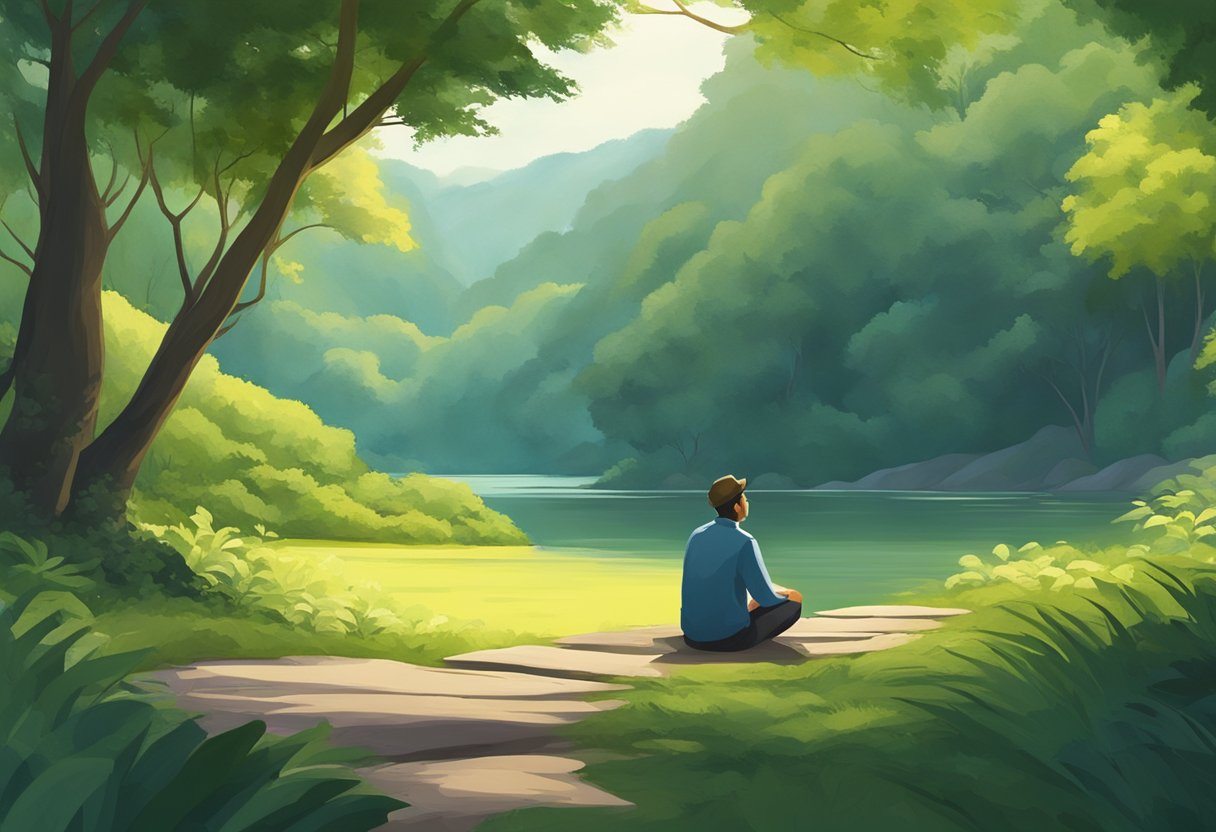
People worldwide seek meaningful solitude as a response to digital overload and constant connectivity. The choice to embrace periods of intentional isolation reflects both ancient wisdom and modern needs for personal growth and mental well-being.
What are the main factors contributing to the rise of eremitism in modern society?
Digital burnout and social isolation in our hyperconnected world push many to seek intentional solitude. The endless stream of notifications, messages, and social media updates creates mental exhaustion.
Work-from-home culture has shown many people the benefits of reduced social interaction. The COVID-19 pandemic taught valuable lessons about finding peace in isolation.
Rising urban stress and noise pollution make quiet solitude more appealing. Many seek refuge from crowded cities and constant stimulation.
How does practicing solitude impact mental and emotional health?
Regular periods of solitude help you process emotions without external influence. You gain clarity about your thoughts and feelings when you spend time alone.
The practice of working with your own mental states builds emotional resilience. Quiet reflection allows you to understand yourself better.
You develop stronger self-reliance and confidence through comfortable solitude. Time alone helps reduce anxiety and overthinking.
Can solitude and technology coexist in a balanced way, and how?
You can use technology mindfully by setting specific times for connectivity. Create tech-free zones in your home where you practice intentional solitude.
Digital minimalism helps you maintain solitude while staying connected when needed. Choose apps and tools that serve your goals without hijacking your attention.
What historical examples of eremitism can inform our understanding of its role today?
Desert Fathers of early Christianity chose solitude for spiritual growth. Their practices of silent contemplation still influence modern retreat traditions.
Buddhist monastics have refined solitary practices over thousands of years. Their techniques for mindful solitude adapt well to contemporary life.
What are the societal perceptions of individuals choosing a solitary lifestyle?
Many cultures view intentional solitude with mixed feelings. Some admire the self-reliance while others misunderstand the choice.
The power of chosen solitude often faces misconceptions about loneliness. You may need to explain the difference between isolation and intentional solitude to others.
How can someone begin to incorporate practices of solitude into their daily life?
Start with 10-minute periods of complete solitude each day. Turn off all devices and sit quietly with your thoughts.
Create a dedicated space in your home for solitary practice. This area should be free from distractions and comfortable for reflection.
Take solo walks without headphones or phone calls. Nature walks provide an excellent environment for practicing peaceful solitude.





Leave a reply to AI Therapy China: Emotional Support Technologies for Chinese Youth – Potent U Cancel reply