The simple act of kindness creates ripples that extend far beyond a single moment. When you help others without expecting anything in return, you start a chain reaction that transforms both lives and communities. The pay-it-forward philosophy shows that doing good deeds for others inspires them to help even more people, creating an endless cycle of positive change.
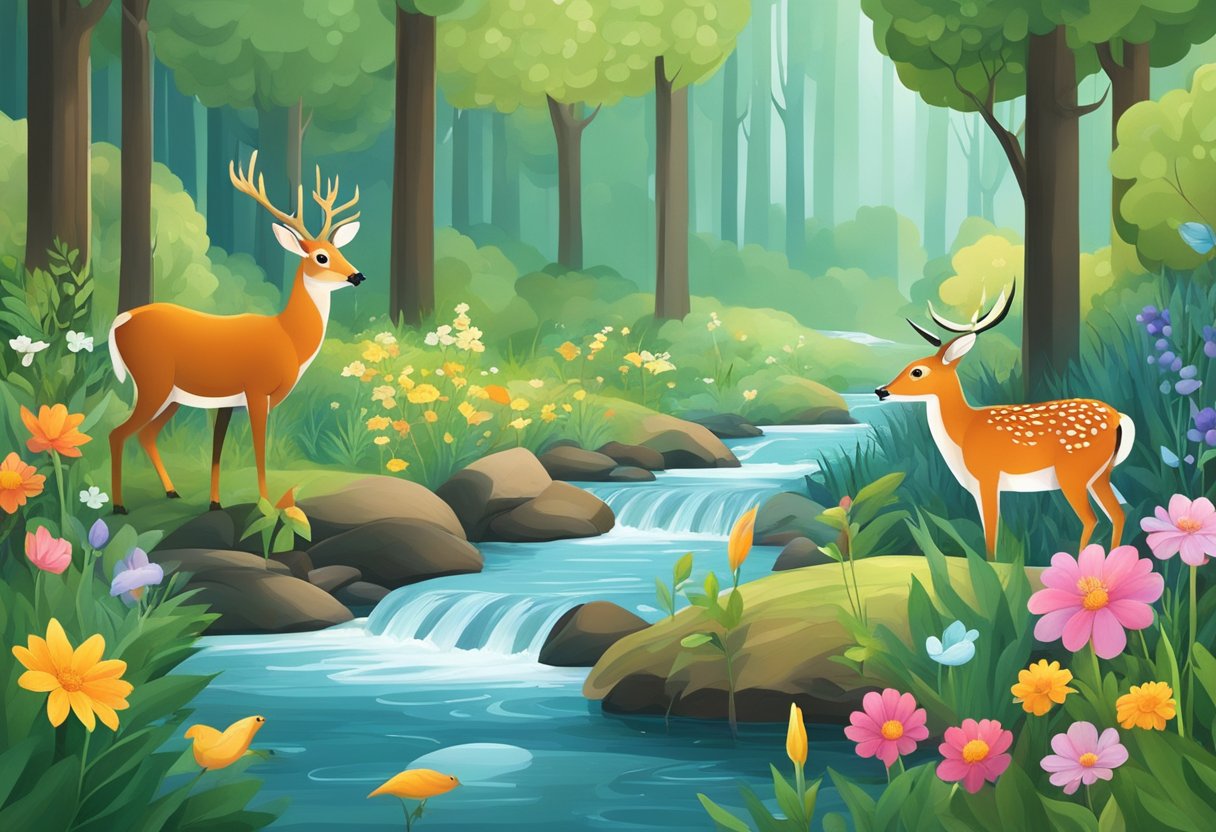
Kindness creates positive energy that comes back to you in unexpected ways. Like a row of dominoes, one thoughtful action can trigger many more. Your small acts of generosity might inspire someone else to help their neighbor, who then helps a stranger, creating a growing web of goodwill.
Key Takeaways
- Your acts of kindness create chain reactions that spread through communities
- Helping others without expecting returns brings unexpected positive rewards
- Small acts of generosity inspire others to continue the cycle of giving
The Philosophy of Kindness
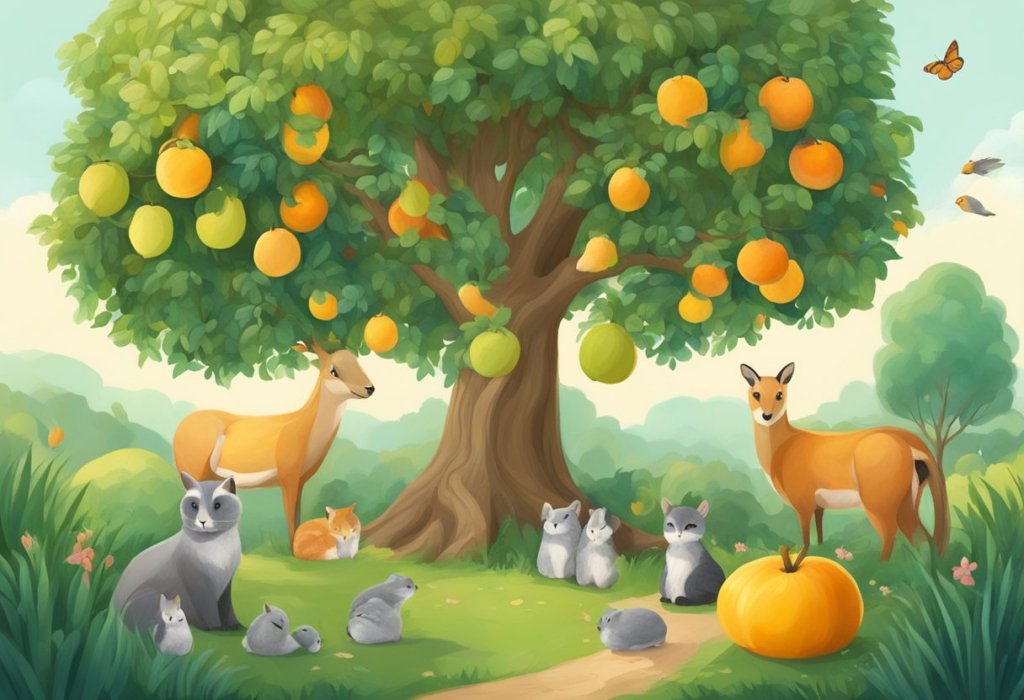
The power of kindness shapes our daily interactions and affects both mental and emotional well-being. Being kind creates meaningful connections and builds stronger communities.
Defining Kindness and Compassion
Kindness is an active choice to help others without expecting anything in return. It shows up in small acts that create positive change.
Compassion takes kindness deeper by recognizing others’ struggles and feeling moved to help. When you practice compassion, you develop emotional awareness of people’s needs.
These qualities work together to create positive change. Your kind actions might include helping a neighbor carry groceries, offering words of encouragement, or volunteering at a local shelter.
Kindness as a Core Human Value
Kindness connects deeply to human nature and appears in cultures worldwide. Your capacity for kindness helps build trust and cooperation in relationships.
Research shows that kind acts boost happiness chemicals in your brain like oxytocin and serotonin. When you help others, your stress levels drop and your sense of purpose grows.
Making kindness a daily practice transforms your outlook. Simple acts like smiling at strangers or expressing gratitude create ripple effects of positivity in your community.
Your kind actions inspire others to follow suit. This creates a cycle where one good deed leads to many more, strengthening social bonds and improving lives.
The Mechanics of Paying It Forward
Paying it forward creates a powerful chain reaction of good deeds that can transform communities. When you choose to help others without expecting anything in return, you set positive change in motion.
Understanding the Karma of Kindness
The ripple effect of kindness works like dropping a stone in a pond. Your single act creates waves that spread far beyond the initial impact.
When you help someone, they’re more likely to help others too. This creates a natural cycle of positive actions that keeps growing.
Research shows that witnessing kind acts makes you more likely to be kind yourself. Your brain releases feel-good chemicals when you help others, making kindness literally contagious.
Real-World Examples of Kindness Ripple Effect
A single act of kindness can multiply in amazing ways. At a drive-through, one person pays for the next car’s order, starting a chain that sometimes lasts hundreds of cars.
In neighborhoods, one person shoveling an elderly neighbor’s driveway often inspires others to help too. This creates stronger community bonds.
Small acts add up:
- Buying coffee for a stranger
- Leaving positive notes in library books
- Helping someone carry groceries
- Sharing gardening supplies with neighbors
Your kind actions can inspire others even years later, as people remember and repeat your good deeds.
Kindness in Action
Taking action through kind deeds creates positive change that ripples outward. Small acts of giving build stronger communities and lift people’s spirits in meaningful ways.
Volunteerism and Community Improvement
You can make a real difference by giving your time and energy to help others. Local food banks, animal shelters, and youth programs always need dedicated volunteers.
Consider joining a neighborhood cleanup crew or helping elderly neighbors with yard work. These acts of service boost community spirit and create lasting positive change.
Your skills are valuable – whether teaching, building, organizing, or simply listening. Even a few hours each month adds up to meaningful impact over time.
Everyday Acts of Kindness
Small gestures can brighten someone’s whole day. Hold doors open, give sincere compliments, or let someone go ahead of you in line.
Random acts of kindness like paying for a stranger’s coffee or leaving encouraging notes create a chain reaction of positivity. When you receive kindness, you’re more likely to extend it to others.
Text a friend who’s struggling. Share extra produce from your garden. Help carry groceries. These simple actions take minimal effort but show people they matter.
Your kindness inspires others to pay it forward, creating waves of positive change in your community.
The Personal Rewards of Kindness
Acts of kindness boost your mental well-being and create positive emotions that enrich your daily life. When you help others, your brain releases feel-good chemicals that enhance your mood and reduce stress.
Emotional and Psychological Benefits
Your brain produces more serotonin and dopamine when you perform kind acts. These natural chemicals improve your mood and create feelings of satisfaction.
Studies show that kind people experience less anxiety and depression. Your stress levels drop significantly when you focus on helping others instead of dwelling on your own problems.
Being kind creates positive ripples in your emotional state. You’ll notice improved self-esteem and a stronger sense of purpose in your daily life.
The Joy of Helping Others
Paying it forward gives you a natural high that no other activity can match. Your brain releases endorphins when you help someone, creating what scientists call a “helper’s high.”
You’ll feel more connected to your community when you regularly help others. These social bonds strengthen your sense of belonging and purpose.
The happiness you create through kindness lasts longer than the pleasure from buying things or personal achievements. Your kind actions build meaningful memories that bring joy long after the moment has passed.
Cultivating a Mindset of Generosity
A generous mindset transforms your approach to life and creates positive ripples that extend far beyond single acts of kindness. Regular giving builds neural pathways that make generosity your natural response.
Generosity as a Life Philosophy
When you make generosity your default setting, you’ll find more opportunities to give. Creating a mindset of kindness becomes second nature and shapes your daily choices.
Start small with these actions:
- Offer genuine compliments
- Share your skills and knowledge freely
- Give your full attention in conversations
- Volunteer your time without expectations
Your brain responds to generous acts by releasing feel-good chemicals. This creates a positive feedback loop, making it easier to choose kindness next time.
Creating Abundance Through Giving
Acts of kindness generate positive energy that attracts good things into your life. When you give freely, you signal to yourself that you have enough to share.
This mindset shift helps you:
- See opportunities instead of scarcity
- Build stronger relationships
- Feel more gratitude daily
- Experience increased joy
Your generous actions inspire others to give too. This creates a cycle of abundance that benefits everyone involved.
Remember that true generosity comes from intention, not obligation. Give because you want to, not because you expect something in return.
Frequently Asked Questions

The principles of karma and kindness create measurable impacts on both individuals and communities. Scientific research shows that acts of generosity trigger positive psychological and social changes.
How can acts of kindness influence one’s future experiences?
Your kind actions create ripple effects that return benefits through improved relationships and social connections.
When you help others, you build a network of people more likely to support you in times of need. These connections lead to new opportunities and positive experiences.
What are the underlying principles of the ‘pay it forward’ concept?
Paying it forward means doing something kind for others without expecting anything in return. This creates a chain reaction of goodwill.
The concept works because kindness inspires others to repeat generous actions. Your good deed might motivate dozens of similar acts.
In what ways does paying kindness forward impact society?
Kind acts strengthen community bonds and increase social trust. When you help strangers, you make your neighborhood feel safer and more connected.
These actions reduce isolation and build support systems for vulnerable people. Small acts add up to create meaningful social change.
How does the ‘pay it forward’ model affect personal psychology?
Giving to others releases feel-good chemicals in your brain like oxytocin and dopamine. Regular acts of kindness reduce stress and anxiety levels.
You gain confidence and self-worth by making positive impacts. Helping others gives you a sense of purpose and meaning.
What are some real-world examples of ‘pay it forward’ initiating positive change?
Coffee shops often see customers paying for the next person’s drink, creating chains that last hundreds of orders. Food banks receive donations from former recipients who want to give back.
Natural disasters bring out widespread acts of neighbor helping neighbor. These moments show how quickly kindness can spread.
What research supports the benefits of the ‘pay it forward’ approach?
Studies show that people who perform regular acts of kindness report greater life satisfaction. Brain scans reveal increased activity in reward centers when people help others.
Research indicates that witnessing kindness makes people more likely to be kind themselves. This creates a scientifically-proven multiplier effect.



Leave a reply to The Golden Age of Oneness: Humanity’s Shift Toward Unity – Global Consciousness Awakens in 2025 – Potent U Cancel reply