The way you talk to yourself shapes your life. Your inner voice can be your biggest cheerleader or your worst enemy. Positive self-talk is a skill you can learn to boost your mood and reach your goals.
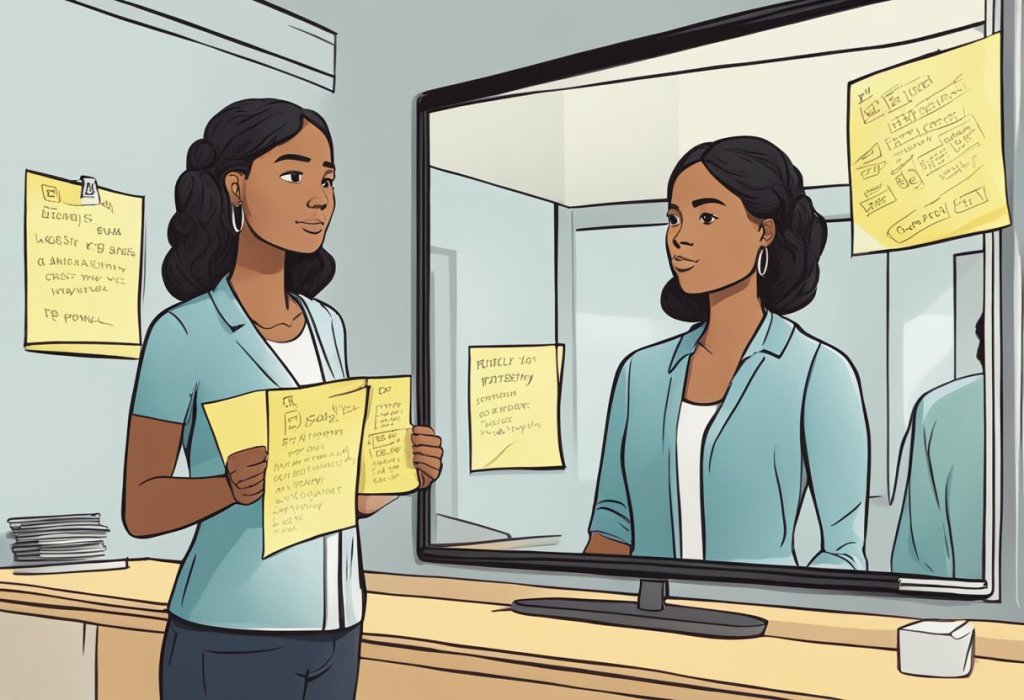
Your brain listens to what you say. When you use upbeat words, you feel better. This can help you face tough times with more strength. You can train your mind to look for the good in any situation.
By changing how you talk to yourself, you can change how you see the world. You’ll feel more sure of yourself and ready to take on new tasks. With practice, you can make positive self-talk a habit that helps you every day.
Key Takeaways
- Your inner voice shapes your mindset and impacts your actions
- You can learn to replace negative thoughts with positive ones
- Regular positive self-talk boosts confidence and helps you reach goals
The Psychology of Self-Talk
Self-talk shapes your thoughts and actions. It affects your brain’s structure and chemistry. Your inner dialogue influences how you feel and behave each day.
Understanding Internal Dialogue
Internal dialogue is the voice in your head. It’s your thoughts and self-talk. You use it to plan, solve problems, and reflect on experiences.
Your self-talk can be positive or negative. Positive self-talk boosts confidence and motivation. Negative self-talk can lead to stress and low self-esteem.
You can change your internal dialogue. Positive self-talk techniques can help you feel better and achieve more. Try replacing negative thoughts with positive ones. For example, instead of “I can’t do this,” say “I’ll do my best.”
Neuroscience and Self-Talk
Your brain changes when you use self-talk. This is called neuroplasticity. Repeated thoughts create new neural pathways.
Positive self-talk strengthens helpful neural connections. It can improve your mood and cognitive function. Negative self-talk can reinforce unhelpful patterns.
Brain imaging shows self-talk affects different brain areas. It can activate regions linked to emotion, memory, and decision-making. Regular positive self-talk may even change your brain structure over time.
The Role of Neurotransmitters
Neurotransmitters are brain chemicals that affect your mood and thoughts. Self-talk can influence their release and activity.
Positive self-talk may boost feel-good neurotransmitters like:
- Dopamine: linked to motivation and reward
- Serotonin: affects mood and well-being
- Endorphins: natural pain relievers
Negative self-talk might increase stress hormones like cortisol. This can lead to anxiety and low mood.
You can use self-talk to manage your neurotransmitter balance. Encouraging words may help you feel calmer and more positive. Over time, this can improve your overall mental state.
Power of Positive Thinking
Positive thinking shapes your outlook and actions. It helps you face challenges with confidence and find opportunities for growth.
Cultivating a Growth Mindset
A growth mindset is key to positive thinking. You can develop this mindset by seeing challenges as chances to learn. Focus on effort and progress, not just results.
When you face a setback, ask yourself: “What can I learn from this?” This helps you stay positive and keep growing.
Try new things often. Each new experience builds your skills and confidence. Remember, your abilities aren’t fixed. You can always improve with practice and effort.
Affirmations and Visualization
Affirmations are positive statements you tell yourself. They help rewire your brain for success. Start your day with simple affirmations like “I can handle whatever comes my way.”
Visualization is a powerful tool for positive thinking. Picture yourself succeeding in your goals. Imagine how you’ll feel and what you’ll do.
Use both together for best results. Say your affirmation while visualizing success. This makes the positive message stronger in your mind.
Building Resilience through Positive Self-Talk
Positive self-talk builds mental toughness. It helps you bounce back from setbacks faster. When things go wrong, pause and check your thoughts.
Replace negative self-talk with encouraging words. Instead of “I can’t do this,” try “This is hard, but I’m learning.”
Practice self-compassion. Talk to yourself like you would a good friend. Be kind and supportive, especially when facing challenges.
Make positive self-talk a habit. It gets easier with practice. Soon, it will become your natural way of thinking.
Overcoming Negative Spirals
Negative thoughts can quickly snowball, affecting your mood and actions. You can break free from this cycle by recognizing patterns and using targeted strategies.
Identifying Negative Patterns
Pay attention to your inner dialogue. Notice when you use words like “always” or “never” about yourself. These absolutes often signal negative thinking.
Keep a thought journal to track recurring thoughts. Look for themes like self-criticism or catastrophizing. This helps you spot your most common negative patterns.
Recognize physical signs of stress or anxiety that come with negative self-talk. Tension, rapid heartbeat, or shallow breathing can be clues.
Strategies to Counteract Negative Self-Talk
Challenge your thoughts. Ask yourself if there’s evidence to support them. Often, you’ll find your worries are unfounded.
Use positive affirmations to replace negative beliefs. Repeat phrases like “I am capable” or “I can handle this challenge.”
Practice self-compassion. Treat yourself with the same kindness you’d offer a friend facing difficulties.
Try the “name it to tame it” technique. Labeling your emotions can reduce their power over you.
Turning Setbacks into Opportunities
View challenges as chances to learn and grow. Ask yourself, “What can I gain from this experience?”
Break big goals into smaller, manageable steps. This makes progress feel more achievable and reduces self-doubt.
Celebrate small wins. Acknowledging your progress boosts confidence and motivation.
Reframe setbacks as temporary. Remind yourself that difficulties are part of the journey, not the end result.
Use “yet” statements. Instead of “I can’t do this,” try “I can’t do this yet.” This simple shift promotes a growth mindset.
Practical Techniques for Mastering Self-Talk
Improving your self-talk requires practice and dedication. These techniques can help you develop a more positive inner dialogue.
Daily Affirmations and Mindfulness
Start your day with positive affirmations. Choose uplifting phrases that resonate with you and repeat them each morning. For example, “I am capable of handling today’s challenges.”
Practice mindfulness to become aware of your thoughts. Take a few minutes each day to sit quietly and observe your mind without judgment. This can help you identify negative self-talk patterns.
Incorporate gratitude into your routine. Each night, list three things you’re thankful for. This shifts your focus to the positive aspects of your life.
Journaling for Personal Reflection
Keep a daily journal to track your thoughts and emotions. Write down any negative self-talk you notice throughout the day.
Challenge these thoughts by asking yourself: “Is this really true?” or “What evidence do I have for and against this belief?”
Use your journal to reframe negative thoughts into more balanced or positive ones. For example, change “I always mess up” to “I’m learning and improving every day.”
Self-Compassion as a Tool for Change
Treat yourself with the same kindness you’d offer a friend. When you make a mistake, avoid harsh self-criticism.
Instead, acknowledge that everyone makes errors and use it as a learning opportunity. Ask yourself, “What can I learn from this?”
Practice self-forgiveness. Let go of past mistakes and focus on what you can do differently in the future. Remember, self-compassion is key to personal growth.
Integrating Positive Self-Talk into Life
Positive self-talk can boost your confidence and help you achieve your goals. It shapes how you interact with others and propels your personal growth.
Personal and Professional Relationships
Positive self-talk can improve your relationships. When you speak kindly to yourself, you’re more likely to treat others well too. Try using encouraging words with yourself before meeting people. This can help you feel more confident.
In work settings, positive self-talk can boost your performance. Before a big presentation, tell yourself “You’ve got this!” It can calm your nerves and help you focus.
Remember to be patient with yourself and others. Mistakes happen. Instead of harsh self-criticism, think “I’ll do better next time.”
Maintaining Momentum in Personal Development
To keep growing, make positive self-talk a daily habit. Start your day with uplifting thoughts. This sets a good tone for the hours ahead.
Set clear goals and use self-talk to stay on track. When facing a challenge, remind yourself of past successes. This can give you the push you need to keep going.
Practice positive self-talk regularly to build resilience. When things get tough, your inner voice can be your biggest supporter. Say things like “You can handle this” or “Every step counts.”
Track your progress. Celebrate small wins. This reinforces your positive mindset and keeps you motivated for long-term success.
Frequently Asked Questions
Positive self-talk can greatly improve your mindset and daily life. It has the power to boost mental health and help you face challenges with confidence.
What are the foundational steps to develop positive self-talk?
Start by being aware of your thoughts. Notice when negative self-talk occurs. Replace negative thoughts with positive statements. Practice this regularly to make it a habit.
Make a list of your strengths and achievements. Refer to it when you need a confidence boost. Surround yourself with positive people who support your growth.
How does positive self-talk impact mental health?
Positive self-talk can reduce stress and anxiety. It helps you feel more in control of your emotions and reactions. This can lead to better mental health and resilience.
When you speak kindly to yourself, you build self-esteem. This can help prevent or reduce symptoms of depression. It also improves your ability to cope with difficult situations.
Can positive thinking techniques improve daily life, and how?
Yes, positive thinking can greatly improve your daily life. It can help you approach tasks with more confidence and energy. This often leads to better performance at work or school.
Positive self-talk can improve your relationships. When you feel good about yourself, you’re more likely to interact positively with others. It can also help you make meaningful connections.
What methods can transform negative thoughts into positive ones?
Challenge negative thoughts when they arise. Ask yourself if they’re based on facts or assumptions. Look for evidence that contradicts these thoughts.
Use the “flip it” technique. For every negative thought, try to find a positive counterpart. For example, change “I can’t do this” to “I can learn to do this”.
Practice gratitude daily. Focus on things you’re thankful for to shift your mindset towards positivity.
How does positive self-talk influence overall well-being?
Positive self-talk can boost your physical health. It can lower stress levels, which may reduce the risk of various health problems. It may also motivate you to make healthier lifestyle choices.
It can improve your motivation and productivity. When you believe in yourself, you’re more likely to pursue your goals. This can lead to greater life satisfaction and success.
What are effective practices for maintaining a positive mindset when facing depression?
Seek professional help if needed. A therapist can provide tools and strategies tailored to your situation. They can help you develop healthy self-talk patterns.
Practice self-compassion. Treat yourself with the same kindness you’d offer a friend. Remember that everyone faces challenges and setbacks.
Set small, achievable goals. Celebrate your progress, no matter how small. This can help build confidence and motivation.






Leave a reply to David Bayer Psycho-Cybernetic Loop: Break Cycles & Rewire Beliefs – Potent U Cancel reply