Meditation can seem daunting when you’re always on the go. But it doesn’t have to be.
There are many ways to fit mindfulness into your busy schedule.

You can practice meditation in just a few minutes each day to reduce stress and boost your well-being.
Simple techniques like focusing on your breath or doing a quick body scan can be done anywhere, anytime.
Even a one-minute break to center yourself can make a big difference.
Mindful listening and walking meditations are great options to blend mindfulness into your daily routine.
You can practice while commuting, during your lunch break, or as you wind down before bed.
The key is finding what works for you and making it a habit.
Key Takeaways
- Short meditation sessions can effectively reduce stress in a busy lifestyle
- Mindfulness can be incorporated into daily activities like walking or commuting
- Consistency is more important than length when developing a meditation practice
——————————————————————————————
Here are some related books to help your on your journey:
1. The Miracle of Mindfulness: An Introduction to the Practice of Meditation
2. Wherever You Go, There You Are: Mindfulness Meditation in Everyday Life
3. Meditation for Fidgety Skeptics: A 10% Happier How-to Book
FYI – If you decide to purchase any of the above book recommendations, Potent U will get a small referral fee from Amazon. This fee does not affect the price you pay. You would pay the same price regardless. Thank you for your support!
——————————————————————————————
Understanding Meditation and Its Benefits
Meditation is a powerful tool for busy people. It can boost your mental clarity, emotional well-being, and physical health. Regular practice can lead to increased focus and inner peace.
The Essence of Meditation
Meditation is about training your mind to focus and redirect thoughts. You can practice it anywhere, anytime.
Start with just a few minutes a day. Focus on your breath or a specific object. When your mind wanders, gently bring it back.
Key meditation types:
- Mindfulness: Be aware of the present moment
- Transcendental: Use a mantra to reach a calm state
- Loving-kindness: Cultivate compassion for yourself and others
As you practice, you’ll find it easier to stay focused. Your mind will become clearer and calmer.
Benefits for Mental Health
Meditation can significantly improve your mental health. It reduces stress and anxiety.
You’ll likely feel more balanced and emotionally stable.
Regular meditation may help with:
- Depression symptoms
- Mood regulation
- Self-awareness
- Concentration
Your emotional well-being can improve as you learn to observe thoughts without judgment. This skill helps you manage difficult emotions better.
Meditation also boosts creativity and problem-solving skills. You might find new solutions to work or personal challenges.
Physical Health Advantages
Meditation’s benefits extend to your physical health too. It can lower blood pressure and heart rate. This reduces strain on your cardiovascular system.
Other physical benefits include:
- Better sleep quality
- Stronger immune system
- Pain management
- Reduced inflammation
Breath-focused meditation can be especially helpful. It improves lung function and increases oxygen flow. This can boost your energy levels throughout the day.
Regular practice may also slow aging processes in the brain. This helps maintain cognitive function as you get older.
Meditation Techniques for Busy People
Meditation can fit into even the busiest schedules. Simple practices like body scans, mindful breathing, and mantra repetition offer quick ways to reduce stress and increase focus.
Quick Body Scan Methods
Body scans help you relax and become aware of your physical sensations.
Start with a one-minute breath focus.
Sit comfortably and close your eyes. Take a deep breath and focus on your feet. Notice any tension or discomfort.
Move your attention up to your legs, then to your torso, arms, and head.
As you scan, breathe deeply and let go of any tension.
This quick method can be done anywhere – at your desk, in line, or before a meeting. It helps you reset and refocus quickly.
For a longer session, lie down and spend 30 seconds on each body part. This deeper body scan can help you unwind before bed.
Mindful Breathing Techniques
Breathing exercises are simple yet powerful meditation techniques for busy people.
Try the 4-7-8 method:
- Inhale for 4 counts
- Hold for 7 counts
- Exhale for 8 counts
Repeat this cycle 4 times. It takes only a minute and can calm your nerves quickly.
Another easy technique is to focus on your natural breath for 60 seconds.
Notice the air moving in and out. When your mind wanders, gently bring it back to your breath.
This practice improves focus and reduces stress.
Use these techniques during short breaks or transitions in your day.
Mantra Meditation for Focus
Mantra meditation involves repeating a word or phrase to calm your mind.
Choose a short, positive phrase like “I am calm” or “Peace”. Repeat it silently for 1-5 minutes.
This technique is great for:
- Commutes
- Waiting rooms
- Before important meetings
Mantra meditation helps quiet mental chatter and improves concentration. It’s easy to practice anywhere without drawing attention.
Start with 1-minute sessions and gradually increase the time. Consistency is key – aim for daily practice, even if it’s brief.
——————————————————————————————
Here are some related books to help your on your journey:
1. The Miracle of Mindfulness: An Introduction to the Practice of Meditation
2. Wherever You Go, There You Are: Mindfulness Meditation in Everyday Life
3. Meditation for Fidgety Skeptics: A 10% Happier How-to Book
FYI – If you decide to purchase any of the above book recommendations, Potent U will get a small referral fee from Amazon. This fee does not affect the price you pay. You would pay the same price regardless. Thank you for your support!
——————————————————————————————
Incorporating Mindfulness into Daily Routine
Mindfulness can be woven into your everyday activities. By bringing awareness to simple tasks and interactions, you can reduce stress and boost focus.
Mindful Awareness Throughout the Day
Start your day with a quick body scan. As you wake up, notice how your body feels.
Pay attention to any areas of tension or comfort. This helps set a mindful tone for the day ahead.
Use daily tasks as mindfulness triggers.
When you brush your teeth, focus on the sensation and taste. While showering, feel the water on your skin.
These mini-meditations can ground you in the present moment.
Set reminders on your phone to take mindful breaks.
When the alert sounds, pause and take three deep breaths.
Notice your surroundings – the sights, sounds, and smells. This quick reset can improve your focus and mood.
Mindful Eating Practice
Before meals, take a moment to appreciate your food.
Notice the colors, smells, and textures on your plate. This creates a pause that can prevent overeating.
Chew slowly and savor each bite. Put down your utensils between mouthfuls.
Pay attention to the flavors and textures in your mouth. This practice enhances digestion and enjoyment of your meals.
Avoid distractions while eating. Turn off screens and put away your phone.
Focus solely on your food and the act of nourishing your body. This can lead to better food choices and increased satisfaction.
Mindful Listening for Improved Relationships
Practice active listening in your conversations. Give the speaker your full attention.
Notice your tendency to interrupt or plan your response. Instead, focus on truly understanding what they’re saying.
Observe non-verbal cues like tone of voice and body language.
These can provide valuable insights into the speaker’s emotions and intentions.
This deeper level of mindful listening strengthens connections.
Respond thoughtfully rather than reacting automatically.
Take a breath before speaking. This pause allows you to choose your words more carefully, leading to clearer communication and fewer misunderstandings.
Guided Meditation as a Tool for Beginners

Guided meditation offers a structured approach for newcomers to start their mindfulness journey. It provides direction and support, helping you build a consistent practice.
Utilizing Guided Meditation Apps
Guided meditation apps offer a convenient way to start meditating.
These apps provide a wide range of guided sessions for different purposes and durations.
You can choose meditations focused on stress relief, better sleep, or increased focus.
Many apps offer beginner-friendly options with clear instructions.
To get started, pick an app with good reviews and a free trial.
Set aside a few minutes each day to follow a guided session. Start with short 5-10 minute meditations and gradually increase the duration as you become more comfortable.
Remember to be patient with yourself.
It’s normal for your mind to wander during meditation. When this happens, gently bring your attention back to the guide’s voice.
Benefits of Guided Sessions
Guided meditation can help you develop focus and clarity. By following a narrator’s instructions, you learn to direct your attention and let go of distracting thoughts.
These sessions often teach techniques for relaxation and stress reduction. You’ll learn how to use breathing exercises and body scans to calm your mind and body.
Guided meditations can also foster acceptance. Many sessions encourage you to observe your thoughts and feelings without judgment. This practice can lead to greater self-awareness and emotional balance.
Regular use of guided meditations may improve your sleep quality. Many apps offer specific nighttime sessions to help you unwind and prepare for rest.
——————————————————————————————
Here are some related books to help your on your journey:
1. The Miracle of Mindfulness: An Introduction to the Practice of Meditation
2. Wherever You Go, There You Are: Mindfulness Meditation in Everyday Life
3. Meditation for Fidgety Skeptics: A 10% Happier How-to Book
FYI – If you decide to purchase any of the above book recommendations, Potent U will get a small referral fee from Amazon. This fee does not affect the price you pay. You would pay the same price regardless. Thank you for your support!
——————————————————————————————
Developing a Personal Meditation Practice
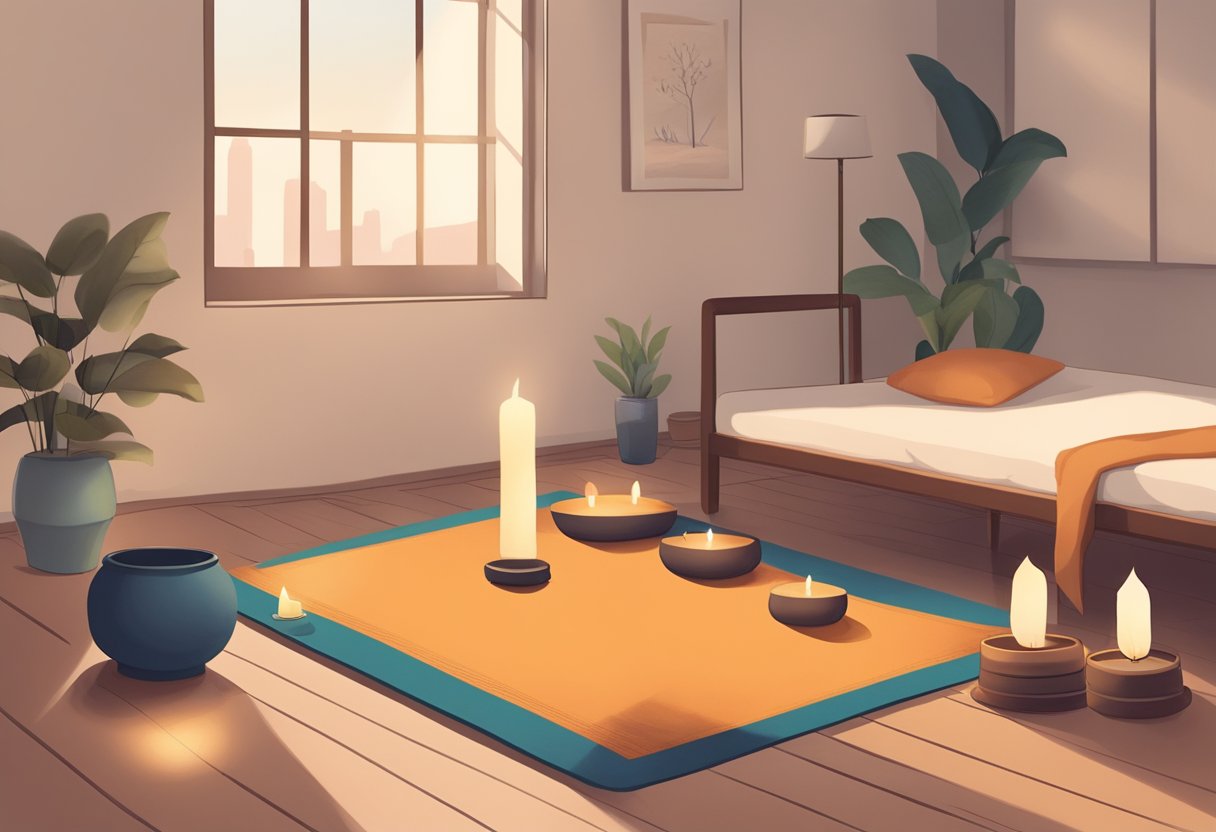
Creating a meditation routine takes planning and dedication. You can fit meditation into your busy life by finding the right time, space, and approach that works for you.
Finding Time for Meditation in a Busy Schedule
Look for small pockets of time in your day for meditation. Try waking up 10 minutes earlier or using your lunch break.
You can meditate while commuting on public transit or waiting in line.
Short sessions work well for busy people. Start with just 2-5 minutes daily. Gradually increase the time as you get more comfortable.
Set reminders on your phone to meditate. Link meditation to existing habits, like doing a quick session right after brushing your teeth.
Consider one-minute breath meditation when you’re extra pressed for time. Take a deep breath for 4 counts, hold briefly, then exhale slowly.
Creating a Conducive Environment
Choose a quiet spot at home for meditation. It could be a corner of your bedroom or a cozy nook. Keep it simple – you just need a comfortable place to sit.
Use items that help you relax, like a soft cushion or a calming scent. Dim lighting can set the mood. Remove distractions like your phone or cluttered surfaces.
If you can’t find quiet at home, try noise-canceling headphones. Nature sounds or white noise apps can mask background noise.
For busy people, learn to meditate anywhere. Practice tuning out distractions in various settings. This skill lets you find inner peace even in busy places.
Setting Realistic Goals and Expectations
Start small with your meditation goals. Aim for consistency rather than long sessions. Even 5 minutes daily is better than 30 minutes once a week.
Be patient with yourself. Your mind will wander – that’s normal. Gently refocus on your breath when this happens.
Don’t expect instant results. Meditation benefits build up over time. Keep a journal to track your progress and mood changes.
Set clear, achievable goals. For example, “I’ll meditate for 10 minutes 3 times this week.” Adjust your goals as needed.
Remember, there’s no “perfect” way to meditate. Find what works for you. Some days will be easier than others. Accept this as part of the journey to inner peace and self-care.
Maintaining Consistency and Motivation

Keeping up a regular meditation practice takes effort and commitment. By setting realistic goals and using simple techniques, you can build a lasting habit that fits your busy lifestyle.
Overcoming Common Hurdles
Time constraints often pose a challenge for busy meditators. To tackle this, try meditating for just a few minutes daily. Even short sessions can make a difference.
Set a specific time for your practice, like right after waking up. This helps create a routine. If you miss a day, don’t be hard on yourself. Just get back on track the next day.
Distractions can derail your focus. Find a quiet spot where you won’t be interrupted. Turn off notifications on your phone. If your mind wanders, gently bring your attention back to your breath.
Staying Motivated in the Long Run
Track your progress to stay motivated. Note how you feel after each session. This builds self-awareness and helps you appreciate the benefits.
Set clear, achievable goals for your practice. Maybe aim to meditate 5 minutes daily for a week, then slowly increase the time. Celebrate small wins to boost your motivation.
Practice self-compassion when you struggle. Be kind to yourself on tough days. Remember that consistency matters more than perfection.
Try different techniques to keep things fresh. Breath focus, body scans, or guided meditations can add variety. This prevents boredom and helps you find what works best for you.
——————————————————————————————
Here are some related books to help your on your journey:
1. The Miracle of Mindfulness: An Introduction to the Practice of Meditation
2. Wherever You Go, There You Are: Mindfulness Meditation in Everyday Life
3. Meditation for Fidgety Skeptics: A 10% Happier How-to Book
FYI – If you decide to purchase any of the above book recommendations, Potent U will get a small referral fee from Amazon. This fee does not affect the price you pay. You would pay the same price regardless. Thank you for your support!
——————————————————————————————
Advanced Practices for Deep Relaxation and Insight

Deep relaxation and insight meditation can bring tranquility and bliss to busy lives. These practices help you gain self-awareness and find inner peace.
Deep Relaxation Techniques
Progressive muscle relaxation is a powerful method for deep relaxation. Start at your toes and work up, tensing each muscle group for 5 seconds, then releasing. This helps you notice and release hidden tension.
Try body scanning. Lie down and focus on each part of your body in turn. Notice any sensations without judgment. This practice increases body awareness and promotes relaxation.
Use guided imagery. Imagine a peaceful scene in detail. Picture a calm beach or serene forest. Engage all your senses to make it vivid. This technique can quickly induce a state of deep relaxation.
Experiment with sound-based practices. Listen to soothing music or nature sounds. Some find 528 Hz tones helpful for relaxation and mental clarity.
Gaining Insight Through Meditation
Vipassana meditation is a powerful tool for gaining insight. Focus on your breath, then expand awareness to bodily sensations. Notice thoughts and feelings without getting caught up in them.
Practice mindfulness in daily life. Pay full attention to simple tasks like eating or walking. This helps you stay present and gain insights into your habits and patterns.
Try loving-kindness meditation. Send good wishes to yourself, then to others. This practice can lead to profound insights about compassion and interconnectedness.
Use journaling after meditation. Write down any insights or realizations. This helps reinforce learning and track your progress over time.
Cultivating a Mindset of Peace and Gratitude
Gratitude and peace go hand in hand when it comes to meditation. These practices can help you feel calmer and more content, even with a busy schedule.
The Role Of Gratitude in Meditation
Gratitude meditation can change how you see the world. It helps you focus on the good things in your life. This shift in thinking can make you happier and less stressed.
When you practice gratitude, you train your brain to notice positive things. This can lead to better mental health over time. You might find yourself feeling more thankful for small joys throughout your day.
Gratitude meditation is simple to do. You can start by thinking of three things you’re grateful for each day. These can be big or small. A warm cup of coffee or a kind word from a friend both count.
Practicing the Gratitude Pause
The gratitude pause is a quick way to reset your mind. You can do it anywhere, anytime. It only takes a minute or two.
Here’s how to do a gratitude pause:
- Stop what you’re doing.
- Take a deep breath.
- Think of one thing you’re thankful for right now.
- Feel the gratitude in your body.
- Take another deep breath and return to your day.
This practice can help you stay grounded in the present moment. It’s a great way to break negative thought patterns and reduce stress.
Achieving a State of Calmness
Calmness is a key part of meditation. It helps you deal with stress and think more clearly. You can reach this state even if you’re busy.
One way to feel calmer is to focus on your breath. Take slow, deep breaths. Count to four as you breathe in, and four as you breathe out. This can slow your heart rate and relax your body.
Another tip is to practice mindfulness during daily tasks. Pay attention to what you’re doing, whether it’s washing dishes or walking to work. This can help you feel more peaceful and focused.
——————————————————————————————
Here are some related books to help your on your journey:
1. The Miracle of Mindfulness: An Introduction to the Practice of Meditation
2. Wherever You Go, There You Are: Mindfulness Meditation in Everyday Life
3. Meditation for Fidgety Skeptics: A 10% Happier How-to Book
FYI – If you decide to purchase any of the above book recommendations, Potent U will get a small referral fee from Amazon. This fee does not affect the price you pay. You would pay the same price regardless. Thank you for your support!
——————————————————————————————
Frequently Asked Questions
Meditation can be a powerful tool for busy people. It offers ways to reduce stress and improve focus in short bursts throughout the day.
What are effective strategies for integrating meditation into a hectic schedule?
Try micro-meditations during your daily activities.
You can practice mindful breathing while waiting in line or sitting in traffic.
Set reminders on your phone to take short meditation breaks.
Even 1-2 minutes of focused breathing can help reset your mind.
What is the best way to focus on meditation in a noisy setting?
Use noise-canceling headphones if possible.
If not, try to focus on your breath as an anchor point.
You can also use ambient sounds or white noise apps to mask distracting noises around you.
How can individuals with a busy lifestyle maintain a consistent meditation practice?
Start small with just 5 minutes a day.
Consistency is more important than length when building a habit.
Try linking meditation to an existing habit, like doing a short session right after brushing your teeth.
Are there quick meditation techniques suitable for moments of limited time?
Body scan meditations work well for short breaks.
Spend 30 seconds focusing on each part of your body from toes to head.
Counting breaths is another fast technique.
Take 10 slow, deep breaths, counting each one.
What advice is there for those who find it challenging to meditate due to distractions?
Accept that distractions will happen.
When your mind wanders, gently bring your focus back to your breath or meditation object.
Start in a quiet place if possible.
As you improve, you can practice in more distracting environments.
How can someone with ADHD approach meditation for better focus and relaxation?
Try active meditation techniques like walking meditation or yoga. These can be easier for those who struggle to sit still.
Use guided meditations to provide structure. Having a voice to follow can help keep your mind from wandering too much.
——————————————————————————————
Here are some related books to help your on your journey:
1. The Miracle of Mindfulness: An Introduction to the Practice of Meditation
2. Wherever You Go, There You Are: Mindfulness Meditation in Everyday Life
3. Meditation for Fidgety Skeptics: A 10% Happier How-to Book
FYI – If you decide to purchase any of the above book recommendations, Potent U will get a small referral fee from Amazon. This fee does not affect the price you pay. You would pay the same price regardless. Thank you for your support!
——————————————————————————————





Leave a reply to Learning Astral Projection: A Step-by-Step Guide to Out-of-Body Experiences – Potent U Cancel reply