Gratitude is more than just saying “thank you.” It’s a powerful force that can change your life for the better.
When you practice gratitude, you start to see the world in a new light. You notice the good things around you, big and small.

Being thankful can make you happier, less stressed, and more connected to others.
It’s like a superpower that transforms your brain and life.
When you focus on what you’re grateful for, you shift your mind away from negative thoughts. This can help you feel more positive and resilient, even when times are tough.
You can start small with gratitude.
Try writing down three things you’re thankful for each day.
This simple habit can have a big impact on your outlook and well-being.
As you practice, you may find yourself becoming more aware of the good in your life and feeling more content overall.
Key Takeaways
- Gratitude can boost your happiness and reduce stress
- Practicing thankfulness helps you focus on the positive aspects of life
- You can start a gratitude habit by writing down three things you’re grateful for daily
The Concept of Gratitude as a Transformative Practice
Gratitude is more than just saying “thank you.” It’s a powerful mindset that can change your life.
When you practice gratitude, you focus on the good things in your world.
This shift in thinking can have big effects.
Studies show that people who regularly feel grateful are happier and less stressed. They also tend to be more optimistic.
Here are some ways gratitude can transform your life:
- Boosts mood
- Lowers stress
- Improves relationships
- Increases resilience
- Enhances overall well-being
To start your own gratitude practice, try these simple steps:
- Keep a daily gratitude journal
- Express thanks to others often
- Notice small joys throughout your day
Research has found that people who practice gratitude have 25% higher happiness levels. They also have 23% lower stress hormones.
Gratitude is a key part of positive psychology. This field studies what makes people thrive.
By focusing on the good, you can change how you see the world.
Remember, gratitude is a skill you can build over time. The more you practice, the more natural it becomes.
Soon, you may find yourself noticing good things without even trying.
Gratitude and Its Effects on Mental Health
Gratitude can significantly improve your mental health. It helps combat negative emotions, builds resilience, and enhances overall happiness and well-being.
Combatting Negative Emotions
Practicing gratitude can help you fight stress, depression, and despair.
When you focus on what you’re thankful for, it becomes harder to dwell on negative thoughts.
Research shows that gratitude can lower anxiety levels.
By directing your attention to positive aspects of life, you reduce mental space for worries.
Gratitude also helps counter resentment.
When you appreciate what you have, you’re less likely to feel bitter about what you lack.
Try keeping a gratitude journal.
Write down three things you’re thankful for each day.
This simple practice can shift your mindset from negative to positive over time.
Gratitude and Resilience
Gratitude can boost your mental toughness. It helps you bounce back from setbacks and cope with challenges more effectively.
When you’re grateful, you tend to see difficulties as temporary. This outlook makes you more likely to persevere through tough times.
Studies indicate that thankful people often have stronger support networks.
These relationships provide crucial emotional support during stressful periods.
To build gratitude-based resilience:
- Reflect on past challenges you’ve overcome
- Thank those who’ve helped you along the way
- Recognize your own strength and growth
Enhancement of Happiness and Well-Being
Gratitude is a powerful tool for increasing happiness and improving overall well-being.
It helps you focus on the good in your life, leading to greater life satisfaction.
Research suggests that practicing gratitude may even extend your lifespan.
It’s linked to better physical health outcomes, which contribute to overall well-being.
Gratitude also fosters positive emotions like joy and contentment.
These feelings can create an upward spiral, making you more likely to notice and appreciate good things in the future.
Try these gratitude exercises:
- Write thank-you notes to people you appreciate
- Mentally list things you’re grateful for before bed
- Share your appreciation with others verbally
Physical Health and Gratitude
Gratitude can boost your physical health in surprising ways. It helps lower stress, improves sleep, and even speeds up healing. Let’s explore how being thankful affects your body.
Impact on Stress Levels and Sleep Quality
Practicing gratitude can reduce your stress.
When you focus on the good things in your life, your body releases less cortisol, the stress hormone. This leads to lower blood pressure and a calmer mind.
Gratitude also helps you sleep better.
Writing in a gratitude journal before bed can quiet racing thoughts. You’ll fall asleep faster and wake up more refreshed.
Try this: List 3 things you’re thankful for each night. Your sleep may improve in just a few weeks.
The Role of Gratitude in Physical Recovery
Being thankful can speed up your healing process. Grateful patients often recover faster from injuries and illnesses.
They tend to follow their treatment plans better and stay more positive.
Gratitude boosts your immune system too. It increases the production of disease-fighting cells in your body. This helps you fight off colds and other illnesses more easily.
You can use gratitude as a tool for healing.
Thank your body for its hard work in recovery. Appreciate the progress you make each day, no matter how small.
Nurturing Relationships Through Thankfulness
Gratitude builds stronger connections and fosters love in relationships. It creates a positive cycle of appreciation that deepens bonds and enhances mutual understanding.
Strengthening Bonds
Expressing gratitude strengthens relationships by creating a positive atmosphere.
When you show thanks, you make your partner feel valued and important. This leads to increased trust and closeness.
Try these simple ways to show gratitude:
- Write a thank-you note for something your partner did
- Compliment them on a specific trait you admire
- Acknowledge their efforts, even for small tasks
Gratitude also helps during tough times.
When you focus on what you’re thankful for, it’s easier to overcome challenges together. This shared positive outlook can make your relationship more resilient.
Cultivating Love and Appreciation
Gratitude is a key nutrient for nurturing relationships.
It helps love grow and flourish over time.
When you regularly express appreciation, you create a culture of thankfulness in your relationship.
Here are ways to cultivate appreciation:
- Start a daily gratitude practice with your partner
- Share one thing you’re grateful for about each other every evening
- Keep a shared gratitude journal
Remember, gratitude isn’t just about big gestures.
Appreciate the small things too. A simple “thank you” for everyday actions can make a big difference.
This constant appreciation keeps the spark of love alive and helps your relationship thrive.
Gratitude as an Emotional Superpower
Gratitude transforms your emotions and mindset. It gives you a powerful tool to enhance your well-being and impact those around you.
Unlocking Joy and Fun in Everyday Life
When you practice gratitude, you start to see the world differently. Small moments become sources of joy.
A sunny day, a kind word, or a tasty meal can lift your spirits.
Gratitude helps you find fun in simple things. You might notice a beautiful flower or enjoy a chat with a friend more deeply.
This positive outlook acts like a superpower, making ordinary days feel special.
Your brain changes when you’re thankful. You feel happier and less stressed.
Problems seem smaller, and good things feel bigger. This shift makes life more enjoyable and helps you bounce back from tough times.
Creating a Ripple Effect in Society
Your gratitude can spread to others. When you show thanks, people around you feel good too.
This creates a ripple of kindness that can change your community.
Grateful people often want to give back. You might feel moved to help a neighbor or volunteer.
These acts of kindness inspire others to do the same.
In workplaces and schools, gratitude improves relationships.
Teams work better together when people appreciate each other. This can lead to more success and a happier environment for everyone.
Your thankfulness can even impact strangers. A sincere “thank you” to a store clerk or bus driver can brighten their day.
This small act might inspire them to be kinder to the next person they meet.
Gratitude in the Face of Adversity

Gratitude can be a powerful tool when life gets tough. It helps you find strength and stay positive even during hard times.
Building Strengths and Fostering Positivity
Practicing gratitude builds inner strength. When you focus on what you’re thankful for, you develop resilience.
This helps you bounce back from setbacks more easily.
Gratitude also boosts your mood. By noticing the good things in your life, you create a more positive outlook.
This can help you see challenges as opportunities for growth.
Try keeping a gratitude journal. Write down three things you’re grateful for each day.
This simple habit can shift your mindset over time.
Finding Gratitude During Challenging Times
It’s not always easy to feel thankful when facing difficulties. But finding small things to appreciate can make a big difference.
Start by looking for tiny positives in tough situations.
Maybe you’re grateful for a friend’s support or a moment of calm during a busy day.
Remember that gratitude doesn’t mean ignoring problems.
It’s about finding balance and perspective.
You can acknowledge difficulties while still appreciating the good in your life.
Practice gratitude exercises:
- Thank someone who’s helped you
- Reflect on personal growth from past challenges
- Notice small joys like a sunny day or tasty meal
By cultivating thankfulness, you build emotional strength to face life’s ups and downs.
Practical Gratitude Practices and Tools
Gratitude practices can boost your happiness and well-being. You can easily add these simple tools to your daily life for big results.
Keeping a Gratitude Journal
A gratitude journal is a powerful tool for cultivating thankfulness.
Start by writing down 3-5 things you’re grateful for each day.
Be specific – instead of “family,” try “my sister’s laugh during our phone call.”
Use prompts to spark ideas:
- What made you smile today?
- Who helped you recently?
- What small pleasure did you enjoy?
Set a regular time for journaling, like before bed or with your morning coffee. This habit helps train your brain to notice the good in your life.
Mindfulness and Presence
Mindfulness helps you stay present and notice things to be grateful for. Try this simple exercise:
- Pause for 30 seconds
- Take deep breaths
- Notice 5 things you can see, 4 you can touch, 3 you can hear, 2 you can smell, and 1 you can taste
This practice grounds you in the moment and opens your eyes to everyday blessings.
You might feel grateful for the warmth of sunlight or the comfort of your chair.
Integrating Gratitude into Daily Routine
Weave gratitude into your day for lasting benefits.
At meals, share one thing you’re thankful for with others or silently to yourself. This creates a positive mood and deepens connections.
Set phone reminders to prompt grateful thoughts throughout the day.
When the alarm chimes, pause to appreciate something in that moment.
Before sleep, reflect on three good things that happened. This practice can boost your happiness and improve sleep quality.
Try writing thank-you notes.
Express genuine appreciation to someone weekly. This spreads joy and strengthens relationships.
The Neuroscience of Gratitude
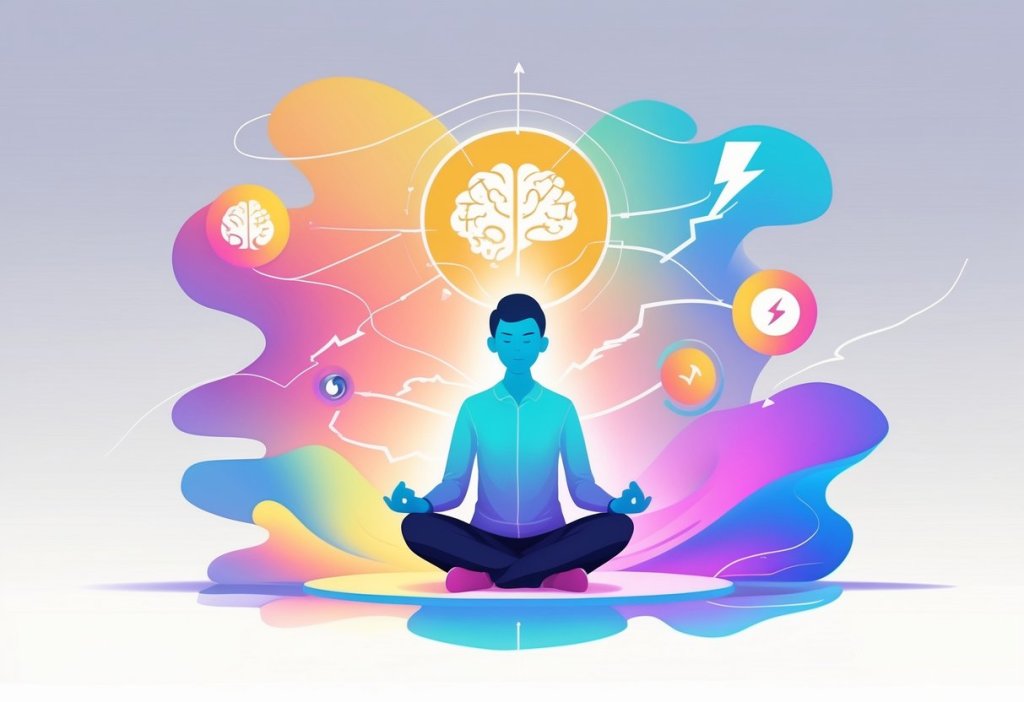
Gratitude affects your brain in powerful ways. It triggers feel-good chemicals and strengthens connections between mind and body.
Dopamine and Serotonin: Chemical Messengers of Happiness
When you practice gratitude, your brain releases dopamine and serotonin.
These neurotransmitters are linked to positive emotions and mental health.
Dopamine gives you a natural high. It’s the reward chemical that makes you feel good.
Gratitude boosts dopamine production in your brain’s reward center.
Serotonin lifts your mood. It helps regulate sleep, appetite, and anxiety.
When you express thanks, serotonin levels rise. This can improve your overall well-being.
Regular gratitude practice can rewire your brain.
It strengthens these neural pathways over time. This makes it easier for your brain to find things to be thankful for.
The Mind-Body Connection
Gratitude doesn’t just affect your brain. It impacts your whole body.
Research shows that being thankful can improve physical health too.
When you feel grateful, your body relaxes. Your heart rate slows down.
Blood pressure decreases. This reduces stress on your cardiovascular system.
Gratitude can boost your immune system. It may help you fight off illness better.
Some studies suggest it could even help manage pain.
Your sleep can improve with gratitude.
People who practice thankfulness often report better quality sleep. This has a ripple effect on overall health.
Self-Care and Personal Growth Through Gratitude
Gratitude can be a powerful tool for self-care and personal growth. It helps shape a positive outlook and fosters self-awareness.
By cultivating thankfulness, you can enhance your wellbeing and unlock your potential.
Developing a Grateful Mindset
Start your day by listing three things you’re thankful for. This simple practice can shift your focus to the positive aspects of your life.
Keep a gratitude journal to track your blessings over time.
You’ll likely notice patterns of goodness you may have overlooked before.
Try expressing appreciation to others.
A heartfelt “thank you” can brighten someone’s day and strengthen your relationships.
This outward focus can also help put your own challenges in perspective.
Regular gratitude practice has been linked to a 38% increase in self-esteem.
As you recognize the good in your life, you may find your self-image improving.
Gratitude as a Path to Personal Development
Gratitude can spark personal growth by highlighting areas for improvement.
As you appreciate your strengths, you may also become aware of skills you’d like to develop.
Use thankfulness as motivation for self-improvement.
If you’re grateful for your health, you might be inspired to exercise more.
Appreciation for your job could drive you to learn new skills.
Gratitude can also enhance your decision-making.
Research shows grateful individuals make 30% better decisions and have improved impulse control.
This can lead to choices that align with your long-term goals and values.
Self-care and gratitude work together to boost your wellbeing.
As you practice thankfulness, you may find it easier to prioritize your needs and treat yourself with kindness.
Overcoming Anxiety and Depression with Gratitude
Gratitude can be a powerful tool for tackling anxiety and depression. It helps shift your focus to positive aspects of life and can boost your mood.
The Power of Thankfulness in Healing
Gratitude can help you overcome anxiety and depression.
When you practice thankfulness, you train your brain to notice good things. This can lift your spirits and reduce negative thoughts.
Try keeping a gratitude journal. Write down three things you’re thankful for each day.
They can be small, like a sunny day or a tasty meal.
Expressing thanks to others can also help.
Send a thank-you note or tell someone how much you appreciate them. This can strengthen your relationships and boost your mood.
Effectiveness in Lessening Anxiety
Gratitude can be a powerful practice to reduce anxiety.
When you focus on what you’re thankful for, it’s harder to dwell on worries.
Try this exercise: When you feel anxious, list five things you’re grateful for right now.
This can help shift your thoughts away from anxiety.
Gratitude can lower stress hormones in your body.
It may reduce cortisol levels by up to 23%. This can help you feel calmer and more relaxed.
Remember, gratitude isn’t a cure-all. It’s a helpful tool to use alongside other treatments for anxiety and depression.
Discovering Small Joys and Happiness

Gratitude for everyday moments can boost your happiness.
Noticing and appreciating little things leads to more positive emotions and memorable experiences.
The Significance of Acknowledging the Little Things
Feeling thankful for small joys can change your outlook on life.
You might enjoy a beautiful sunset or savor a tasty treat. These moments matter more than you think.
Try making a list of three good things that happen each day.
This habit trains your brain to spot positives. You could notice a friend’s kind gesture or the warmth of sunshine on your face.
Being aware of these little pleasures can lift your mood.
It helps you find beauty in everyday life. You start to see the world differently, focusing on what’s good instead of what’s lacking.
Memory and Gratitude: Preserving Joyful Moments
Your brain tends to remember negative events more easily.
But you can change this by actively recalling happy times.
When you practice gratitude, you strengthen the memory of positive experiences.
Try these tips to preserve joyful moments:
- Take photos of things that make you smile
- Keep a gratitude journal
- Share happy stories with friends
Reliving good memories through gratitude can boost your mood.
It’s like creating a personal happiness bank. You can draw from these memories when you need a pick-me-up.
This practice helps build resilience. You learn to find joy even in tough times. Your collection of happy memories becomes a powerful tool for emotional well-being.
Frequently Asked Questions
Click the Above Video with Your Middle Mouse Button, to open it in another tab.
Although it cannot be viewed on this site, it is well worth the watch!
Gratitude has wide-ranging impacts on mental health, physical well-being, and relationships. Many people wonder about its benefits and how to make it a regular practice.
How does gratitude impact mental health?
Gratitude can boost happiness and reduce stress.
When you focus on what you’re thankful for, your brain releases feel-good chemicals.
This can lift your mood and help you cope with challenges. Gratitude may also lower symptoms of anxiety and depression.
What are the benefits of practicing gratitude regularly?
Regular gratitude practice can improve your outlook on life.
You may feel more optimistic and satisfied with your circumstances.
It can also enhance your self-esteem and resilience. When you write down what you’re grateful for, you train your mind to spot the positives in your life.
Can gratitude influence physical well-being?
Yes, gratitude can affect your physical health.
It may lead to better sleep quality and duration.
Grateful people often report fewer aches and pains. Some studies suggest gratitude might even boost immune function and heart health.
In what ways does gratitude affect personal relationships?
Gratitude can strengthen your bonds with others.
When you express thanks, you make people feel valued and appreciated.
This can lead to deeper connections and more supportive relationships. Grateful people often have larger social networks and more satisfying friendships.
How can one cultivate a habit of gratitude?
Start by keeping a gratitude journal.
Write down three things you’re thankful for each day.
You can also practice saying “thank you” more often. Try to notice the small, positive things in your daily life.
What role does gratitude play in workplace dynamics?
Gratitude can improve workplace culture and productivity. When you show appreciation for your colleagues, it boosts morale.
This can lead to better teamwork and job satisfaction. Grateful employees often report feeling more motivated and engaged at work.




Leave a reply to The Golden Book of Saint Germain – Illustrated Edition Review: A Timeless Spiritual Classic? – Potent U Cancel reply