Street performers bring life and energy to city streets, captivating audiences with their talents. These artists face unique challenges that test their ability to adapt and stay resilient.
Street performers show remarkable adaptability and resilience as they transform public spaces into stages for spontaneous entertainment.
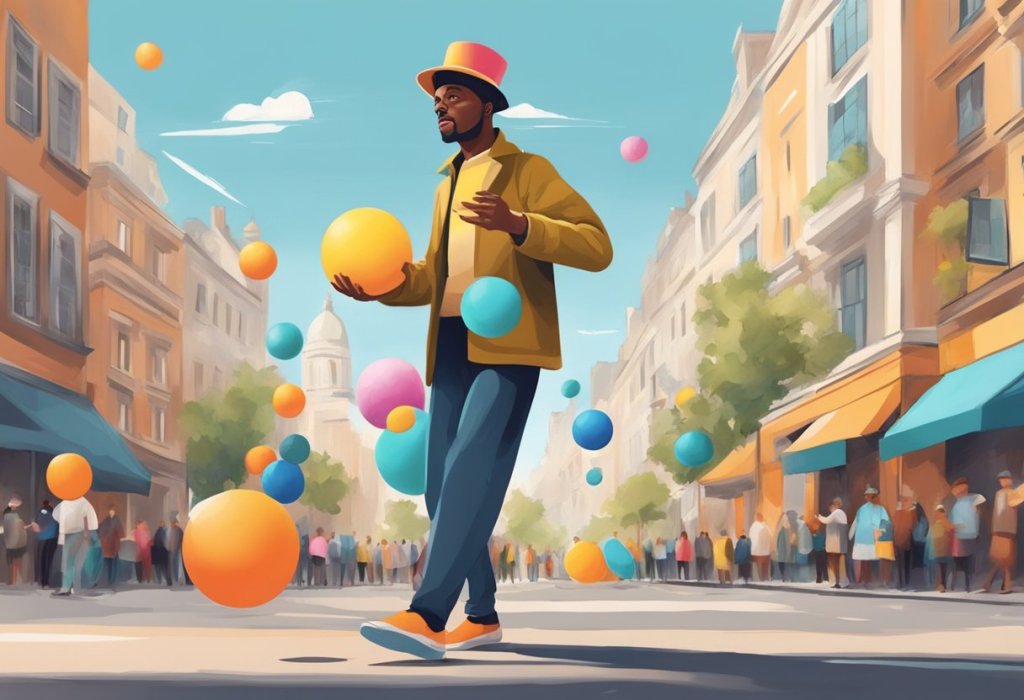
You might wonder what you can learn from these talented individuals.
Street performers must quickly read the crowd and adjust their acts on the fly. They deal with changing weather, noise, and unpredictable audiences.
This flexibility is a skill you can apply to many areas of life.
Top street performers possess skills that go beyond their artistic talents.
They develop strong communication abilities, learn to think on their feet, and build confidence in the face of uncertainty.
By studying their methods, you can gain insights into handling life’s ups and downs with grace and creativity.
Key Takeaways
- Street performers demonstrate adaptability by adjusting their acts to suit different audiences and environments
- You can learn resilience from street artists who persevere through challenging conditions and unexpected setbacks
- The skills used in street performance, such as quick thinking and audience engagement, can be applied to many professional settings
The Art of Street Performance
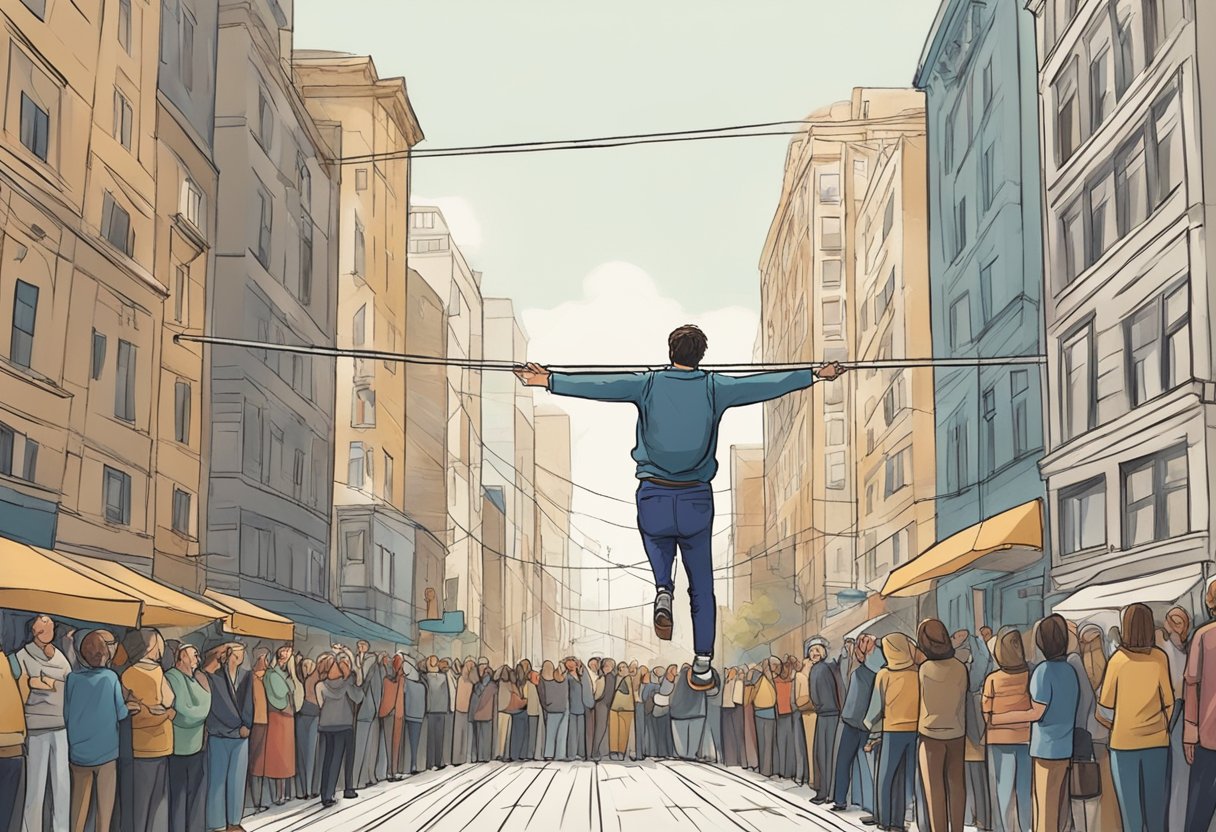
Street performance brings creativity to public spaces. It blends various art forms to engage audiences directly on sidewalks and in squares.
Defining Street Performance
Street performance happens when artists entertain in outdoor public areas.
You’ll see musicians, dancers, jugglers, magicians, and more showcasing their talents. These shows happen without a formal stage or tickets. Street performers, also called buskers, rely on voluntary donations from passersby.
Street art can take many forms.
A guitarist might play folk songs on a corner. An acrobat could do flips in the town square. You could even see a mime act out funny scenes silently.
The key is that these shows happen right where people are walking by. This makes the art very accessible to all.
Diversity in Forms and Practices
Street performance includes a wide range of artistic expressions.
You’ll find musicians playing everything from classical violin to electronic beats. Dancers might do ballet, breakdancing, or cultural dances from around the world.
Jugglers toss balls, clubs, or even flaming torches. Magicians perform illusions that seem to defy reality. Acrobats balance, contort, and fly through the air.
Some performers tell stories or recite poetry. Others create visual art like chalk drawings or living statues. The variety means you’re likely to find something that catches your eye.
Historical Significance
Street performance has a long history dating back centuries.
In medieval Europe, you would have seen traveling minstrels and jesters entertaining in village squares. Ancient China had acrobats and jugglers performing in marketplaces.
These shows were often a main source of entertainment for common people. They also served as a way to spread news and cultural traditions.
Today, street performance continues to play an important role.
It adds vibrancy to urban spaces and provides a platform for artistic expression. You can experience diverse cultures through the performances you see on city streets.
Resilience on Display
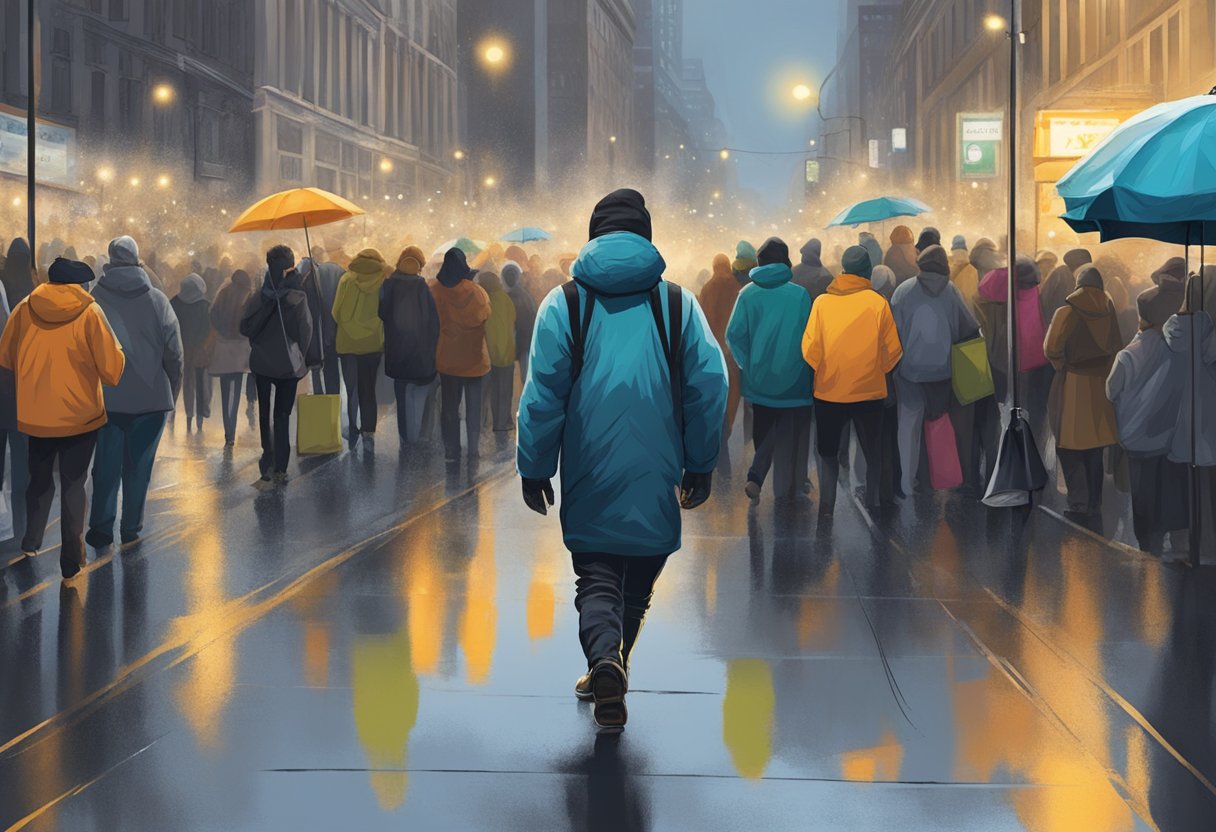
Street performers embody resilience and adaptability in their daily work. They face unique challenges and develop mental toughness that allows them to thrive in unpredictable environments.
Overcoming Challenges
As a street performer, you face many obstacles.
Weather can disrupt your shows. Noise from traffic or construction can drown out your act. Sometimes, local authorities may ask you to move or stop performing.
To succeed, you learn to adapt quickly.
If it starts raining, you might move under an awning or switch to a water-resistant act. When noise interferes, you adjust your volume or timing.
You also develop backup plans.
Having multiple performance spots lets you relocate if needed. Preparing various acts allows you to switch gears based on the audience or conditions.
Developing Mental Toughness
Performing on the street requires thick skin.
Not everyone appreciates your art. Some passersby may ignore you, while others might heckle or criticize.
You learn to stay focused despite distractions or negativity.
This mental toughness helps you persist through tough days when tips are low or audiences are sparse.
Rejection becomes less personal over time.
You understand that not connecting with every viewer doesn’t reflect your talent or worth. This mindset protects your self-esteem and motivation.
From Surviving to Thriving
As you gain experience, you move beyond mere survival to truly thriving in your craft.
You refine your skills and expand your repertoire. Your confidence grows with each successful performance.
You start to see challenges as opportunities for growth.
A difficult crowd becomes a chance to improve your audience engagement. Bad weather inspires creative solutions that enhance your act.
Your resilience attracts loyal fans who admire your dedication. You build a supportive community of fellow performers and regular viewers. This network provides encouragement and opens doors to new opportunities.
Adaptability in Action
Street performers show amazing adaptability as they work. They adjust quickly to new situations and come up with creative solutions on the spot.
Embracing Change
You’ll see street performers react fast when things shift around them.
A crowd moves? They turn to face them. Weather changes? They alter their act. This skill helps in life too.
When you embrace uncertainty, you become more flexible.
You learn to see change as a chance to grow, not a problem. This mindset lets you adjust to new jobs, places, or roles with ease.
Try looking at change as an adventure.
Ask “What can I learn here?” instead of worrying. This approach makes you more ready for life’s twists and turns.
Improvisation as a Skill
Street artists often make up their acts as they go. This is called improv. It’s a key part of being adaptable.
Improv teaches you to think fast and be creative.
You learn to use what’s around you in new ways. This skill helps in many areas of life.
To practice improv:
- Say “yes, and” to ideas
- Make choices quickly
- Use mistakes as chances to create
These tricks help you stay calm when plans change. You’ll find it easier to come up with new ideas on the spot.
The Role of Flexibility
Being flexible means you can bend without breaking. Street performers show this all the time.
They adjust their acts based on the crowd, space, or time they have.
You can grow your flexibility too.
Try new things often. Change up your routine. When something doesn’t go as planned, look for a different way to reach your goal.
Remember, there’s often more than one right answer.
By staying open to options, you’ll find it easier to adapt. This skill will help you in work, relationships, and personal growth.
The Spirit of Innovation
Street performers embody innovation through their creative approaches and adaptability to unique environments. They push boundaries and find new ways to captivate audiences.
Creativity at Work
Street performers constantly develop fresh ideas to stand out.
You’ll see jugglers using unexpected objects or musicians blending genres in novel ways. This creativity stems from the need to grab attention quickly.
Performers often improvise based on crowd reactions.
A mime might adjust their routine if certain gestures get more laughs. A magician could involve surprised onlookers in their tricks.
This flexibility keeps shows exciting and unpredictable. It also hones performers’ ability to think on their feet. Such skills are valuable in many fields beyond street art.
Negotiating Public Spaces
Street performers must navigate complex rules about where and how they can perform.
You’ll find them creatively using architecture and urban layouts to enhance their acts.
A singer might position themselves near walls for better acoustics. Dancers often find smooth, open areas that become impromptu stages.
Performers learn to adapt quickly to changing conditions. If construction blocks a usual spot, they find new locations that work just as well.
This skill in reading and using public spaces can inspire innovative approaches in other fields. It shows how limitations can spark creative solutions.
Building Connections
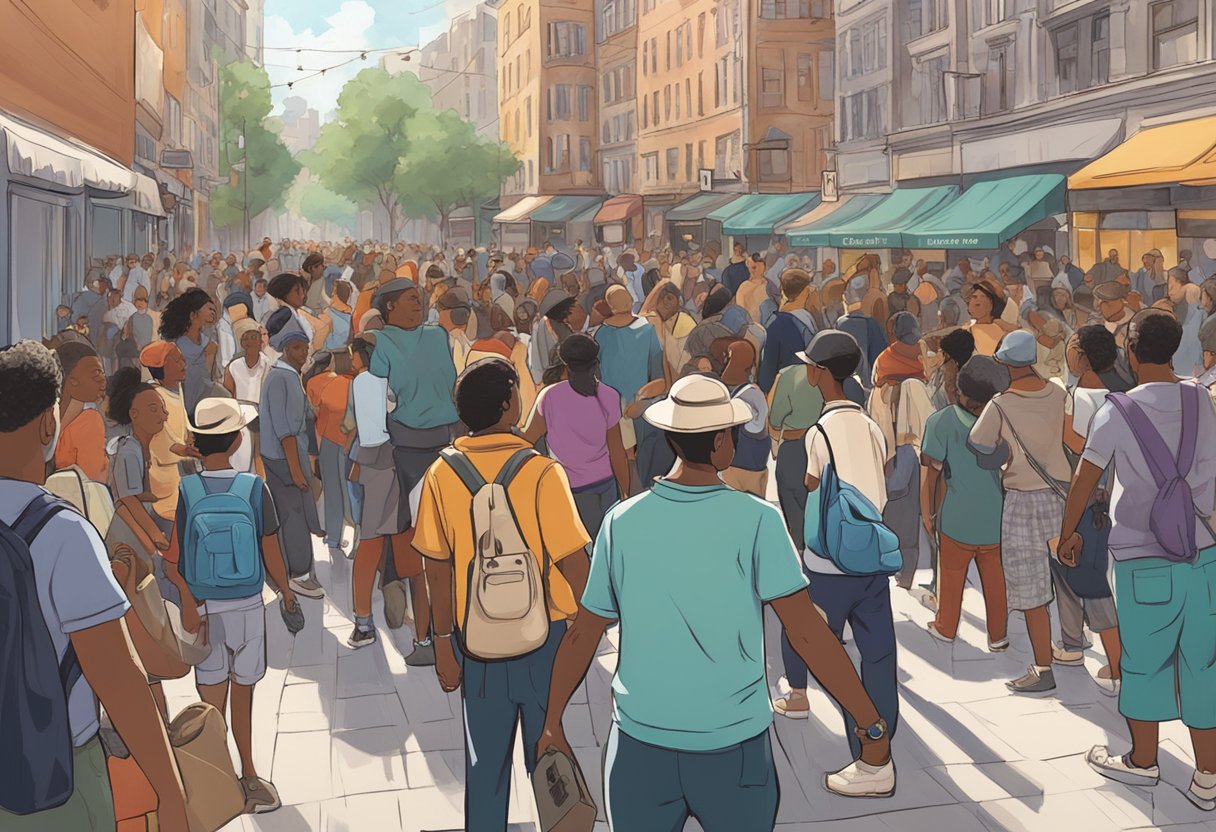
Street performers excel at forging bonds with audiences and fellow artists. Their techniques for creating rapport and community offer valuable lessons in human connection.
Interaction with Audiences
Street performers thrive on audience engagement.
You can learn from their ability to read a crowd and adjust their act accordingly. They make eye contact, use gestures, and call out to passersby to draw them in.
These artists often involve spectators directly in their shows.
You might see a juggler asking an audience member to toss them items, or a magician inviting a volunteer on stage. This creates a shared experience that strengthens the connection between performer and viewer.
Performers also use humor and storytelling to relate to their audience.
By sharing personal anecdotes or cracking jokes about common experiences, they build a sense of familiarity and trust.
Fostering Relationships
Street performers often collaborate with each other, forming a tight-knit community. You’ll notice them supporting one another by watching each other’s shows, sharing tips, and even performing together.
These artists build relationships with local businesses and residents in their performance areas. They become familiar faces in the neighborhood, contributing to the local culture and atmosphere.
Many street performers use social media to stay connected with fans. You can follow your favorite artists online to see behind-the-scenes content and learn about upcoming performances.
By observing how street performers network and maintain relationships, you can gain insights into building your own professional and personal connections.
Collaboration and Teamwork
Street performers often work together to create amazing shows. They teach us how teamwork and working with others can make us stronger.
Learning from Peers
You can learn a lot from other performers. When you watch them, you see new tricks and ideas. This helps you get better at your own act.
Talking to other artists gives you tips on how to deal with tough crowds. You might pick up ways to handle hecklers or keep people watching. These chats can also give you ideas for new acts.
Working with others lets you try out new things. You can practice together and give each other feedback. This makes both of you better performers.
The Power of Team Building
Team acts can be very exciting for crowds. When you work as a team, you can do bigger and more complex shows. This often draws larger audiences.
Building a good team takes time and effort. You need to:
- Trust each other
- Communicate clearly
- Solve problems together
- Take turns being the leader
Good teams adapt to changes quickly. If something goes wrong during a show, you can help each other fix it. This makes your act stronger and more fun to watch.
Working in a team also helps you stay motivated. On tough days, your teammates can cheer you up. This keeps you going when things get hard.
Skills and Professional Development
Street performers develop valuable talents through constant practice and audience feedback. They hone skills that can apply to many areas of life and work.
Continuous Learning and Growth
You can learn a lot from how street performers approach skill development. They practice constantly to improve their acts. Each performance is a chance to learn what works and what doesn’t.
Street performers adapt their routines based on crowd reactions. This helps them refine their talents over time. They’re always trying new things to keep their acts fresh and engaging.
Many performers cross-train in different skills. A juggler might learn magic tricks or comedy to round out their act. This makes them more versatile entertainers.
Business improv techniques can boost your creativity and quick thinking. These skills help you respond to unexpected situations at work.
Transferable Skills to Other Fields
The abilities street performers gain transfer well to other careers. Public speaking is a key skill they develop. You become comfortable addressing groups and thinking on your feet.
Self-confidence grows as you face audiences regularly. This boosts your self-esteem in all areas of life.
Street performers learn to read people and adjust their approach. This improves your emotional intelligence and social skills.
Time management is crucial when you have a limited window to grab attention. You learn to make every moment count.
Problem-solving becomes second nature as you deal with different venues and audiences. These decision-making skills serve you well in any job.
Leadership abilities develop as you direct crowd participation. This can help with team management in future roles.
Global Hotspots of Street Performance
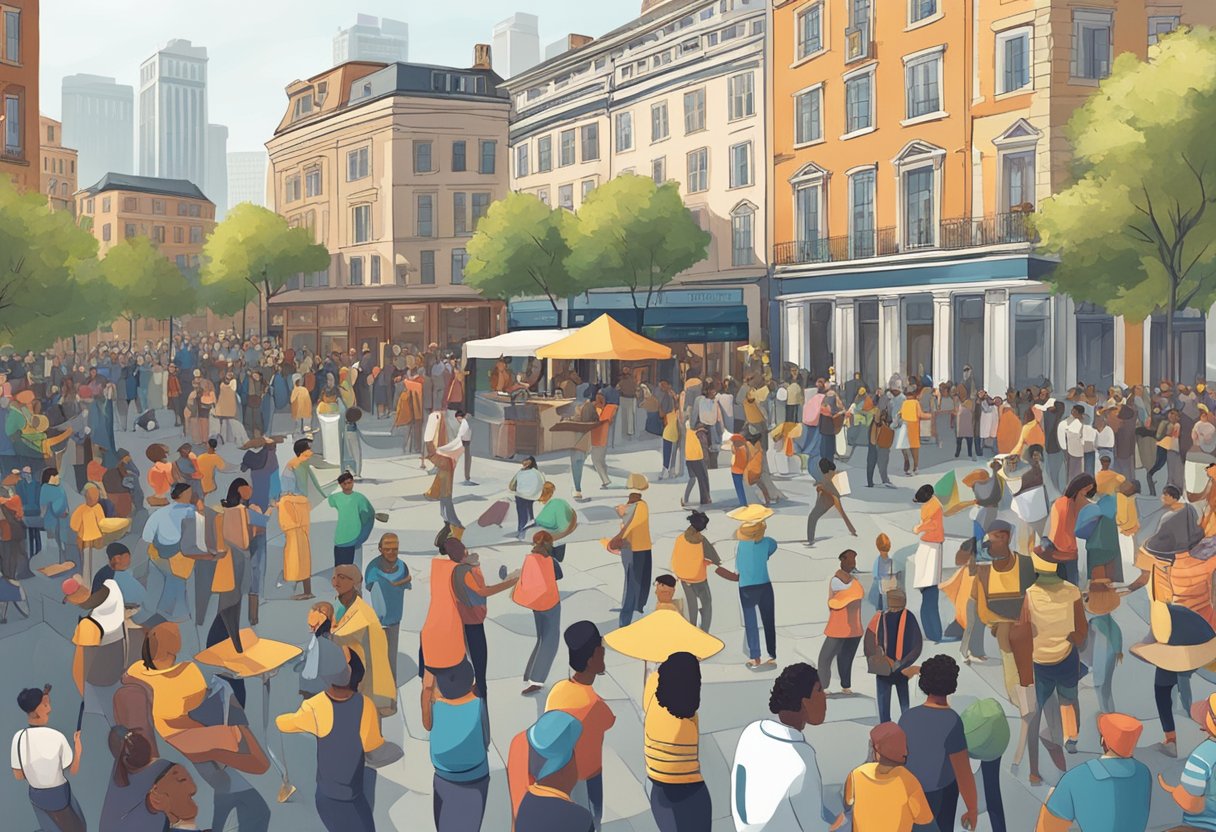
Street performers thrive in vibrant urban centers around the world. These bustling hubs draw talented artists and eager audiences alike. You’ll find a rich tapestry of acts in iconic locations that have become synonymous with street performance.
Edinburgh Festival Fringe
The Edinburgh Festival Fringe transforms Scotland’s capital into a massive open-air stage each August. You’ll encounter over 3,000 shows across the city. Comedians, musicians, and actors fill the Royal Mile with non-stop entertainment.
Street performers here range from solo acts to large ensembles. You might see:
- Fire-eaters and jugglers
- Acrobats and contortionists
- Impromptu theater troupes
The Fringe’s unique atmosphere encourages artistic risk-taking. You’ll witness both polished professionals and raw new talent testing their skills.
Covent Garden and Montmartre
London’s Covent Garden and Paris’s Montmartre are year-round havens for street performers. In Covent Garden, you’ll find a curated selection of acts in the central piazza. Living statues are a particular specialty here.
Montmartre offers a more bohemian vibe. As you climb the hill to Sacré-Cœur, you’ll encounter:
- Portrait artists and caricaturists
- Accordion players serenading diners
- Mime artists bringing silent stories to life
Both locations blend historical charm with modern energy. You’re as likely to see traditional buskers as cutting-edge performance art.
The Vibrancy of Times Square
New York’s Times Square is a 24/7 stage for street performers. The iconic intersection attracts millions of visitors annually. You’ll find a diverse array of acts competing for attention amid the neon lights.
Notable Times Square performers include:
- The Naked Cowboy, a guitar-playing city fixture
- Breakdancers showcasing acrobatic moves
- Costumed characters posing for photos
The square’s cultural diversity is reflected in its performers. You might hear music from around the world or see acts that blend different cultural traditions. Times Square’s high-energy atmosphere pushes artists to constantly innovate and captivate passing crowds.
Implications Beyond the Streets
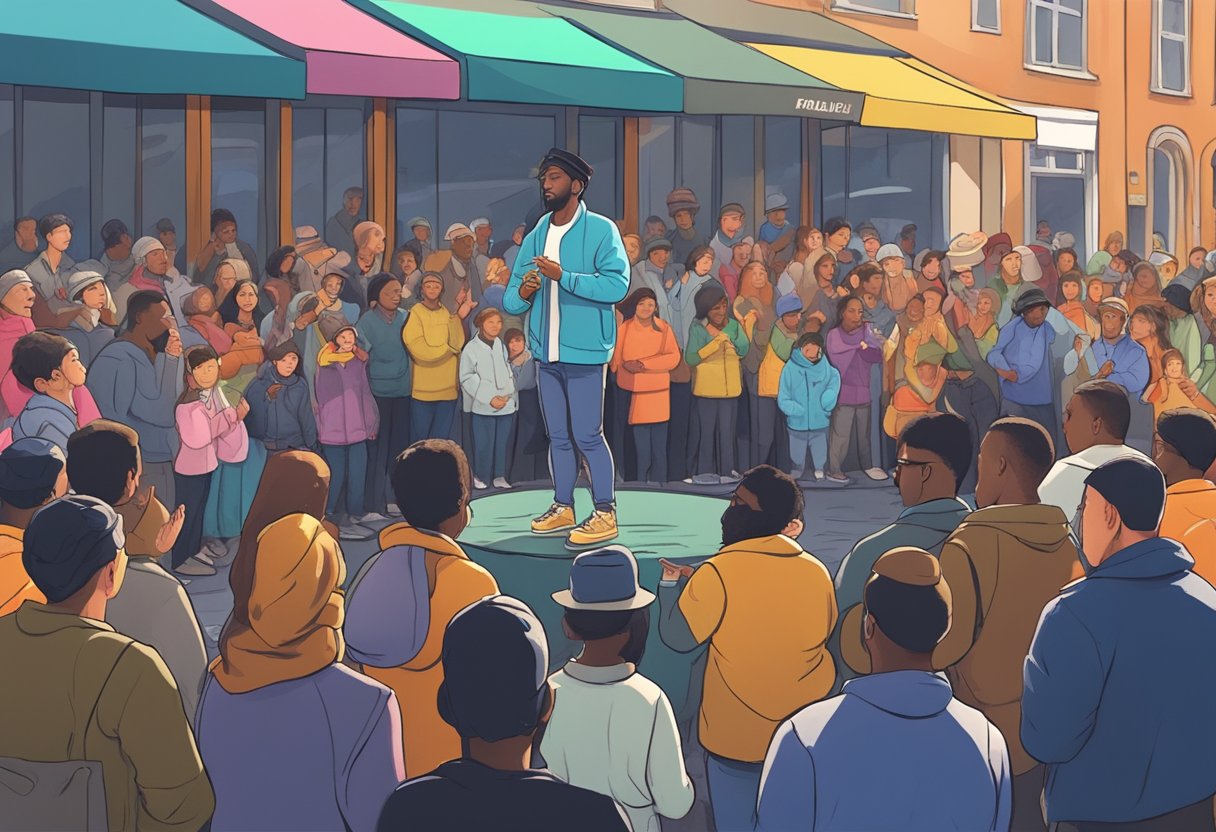
Street performers’ skills in resilience and adaptability have wide-reaching impacts. Their techniques can be applied to various fields, from the arts to business. These performers show how to connect with audiences and innovate in challenging situations.
Influence on Performing Arts
Street performance has shaped modern performing arts. You’ll see its impact in improvisational theater and interactive shows. Many stage actors use techniques learned from busking to improve their craft.
These methods help actors connect with audiences more deeply. They learn to read crowd reactions and adjust their performance on the fly. This skill is crucial in live theater and comedy.
Street performance also encourages artistic risk-taking. You might try new material or characters without fear of failure. This freedom often leads to creative breakthroughs.
Lessons for Business and Innovation
Business leaders can learn a lot from street performers. You’ll find their adaptability useful in fast-changing markets. Like performers who must grab attention quickly, you need to make your product or pitch stand out.
Street performers excel at:
- Reading audience reactions
- Adjusting strategies quickly
- Creating engaging experiences
These skills are valuable in sales, marketing, and product development. You can use them to improve customer interactions and team leadership.
Improv techniques from street performance can boost creativity in brainstorming sessions. They teach you to build on ideas and think on your feet.
Impact on Cultural Awareness
Street performance brings art to public spaces. This exposure can increase cultural awareness in communities. You’ll see different art forms and traditions you might not encounter otherwise.
These performances often:
- Showcase diverse talents
- Represent various cultures
- Break down barriers between artists and audiences
By watching street performers, you gain new perspectives. You might learn about music from other countries or see traditional dances up close.
This cultural exchange fosters community connections. It can lead to greater empathy and understanding among different groups.
Frequently Asked Questions
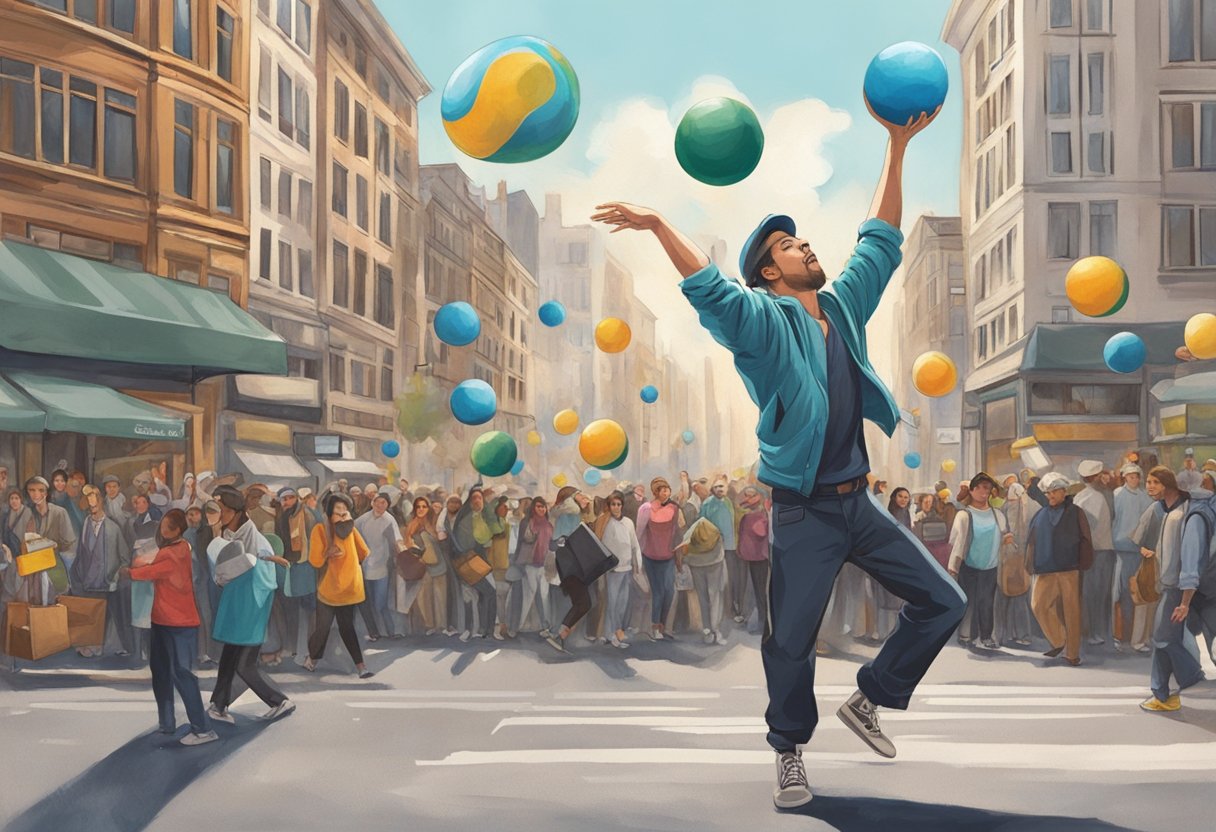
Street performers show remarkable resilience and adaptability in their craft. They face unique challenges and use clever strategies to engage audiences. Let’s explore some common questions about their techniques and what we can learn from them.
How do street performers demonstrate resilience in their craft?
Street performers show resilience by continuing their acts despite distractions. They keep performing even when faced with noise, weather changes, or uninterested passersby.
These artists bounce back quickly from mistakes or mishaps during their shows. They view setbacks as chances to improvise and improve their performances.
What strategies do street performers use to adapt to different audiences and environments?
Street performers quickly assess their audience and adjust their acts accordingly. They may change the tone, pace, or content of their performance based on the crowd’s reactions.
They also adapt to various locations, using available space and objects creatively. This flexibility allows them to perform effectively in different settings.
In what ways can observing street performers inform our understanding of adaptability in various professions?
Watching street performers can teach you about thinking on your feet and problem-solving. These skills are valuable in many jobs, from customer service to project management.
You can learn about reading people and adjusting your approach, which is useful in sales, teaching, and leadership roles. Street performers excel at gauging reactions and modifying their tactics.
How do street performers handle unexpected challenges during their performances?
Street performers often turn unexpected events into part of their act. They might incorporate a sudden noise or a passerby’s reaction into their routine.
They also prepare backup plans for common issues like equipment failures. This readiness helps them maintain professionalism in difficult situations.
What lessons can entrepreneurs learn from the adaptability of street performers?
Entrepreneurs can learn to embrace change and foster a learning mindset from street performers.
Both need to be flexible and open to new ideas to succeed.
Street performers teach the importance of engaging your audience.
Entrepreneurs can apply this by focusing on customer needs and feedback to improve their products or services.
How do street performers maintain a positive attitude in the face of adversity?
Street performers often use humor to deal with tough situations. They might joke about a mishap or turn a negative comment into a funny moment.
They also practice emotional management techniques to stay calm under pressure. This helps them maintain their composure and keep the show going.






Leave a comment