Forest bathing, also known as shinrin-yoku, is a practice that can boost your mental well-being. It involves spending time in nature and taking in the forest atmosphere through your senses.
Forest bathing can reduce stress, improve mood, and enhance overall mental health.
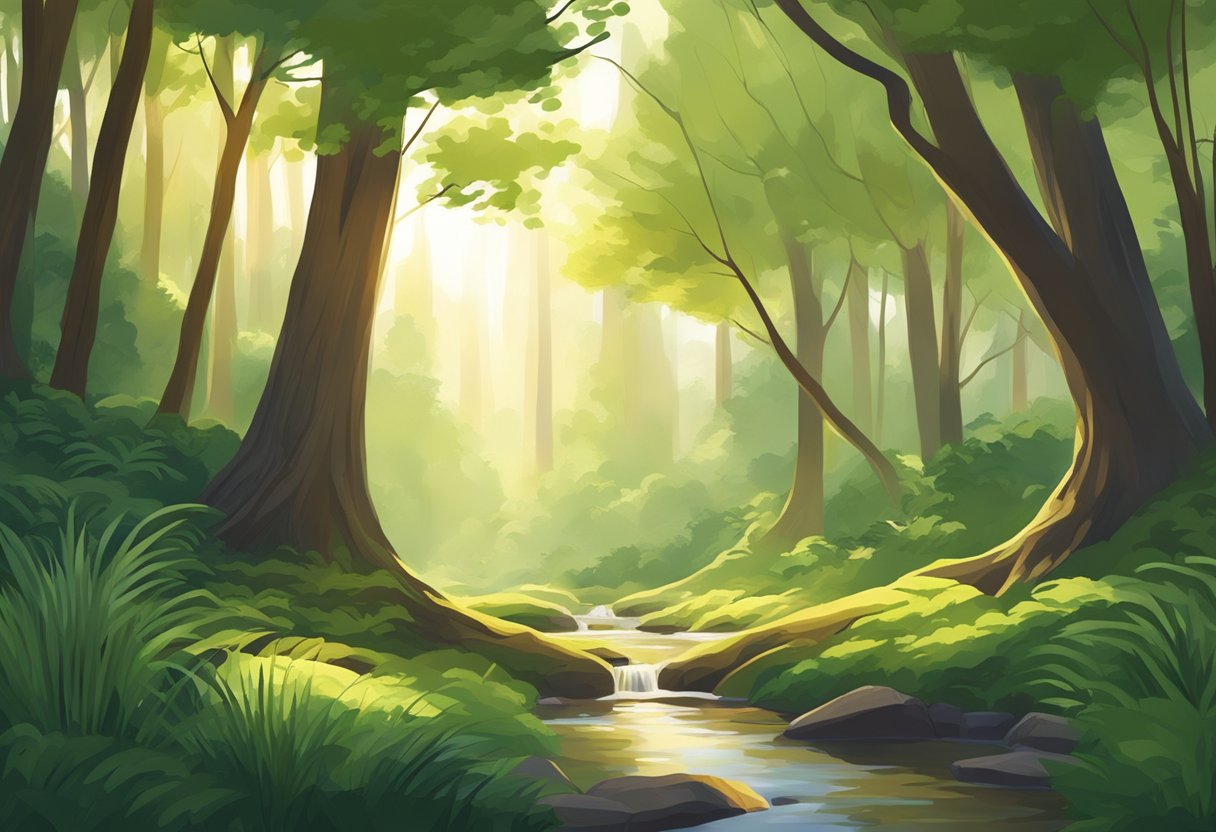
This natural therapy has roots in Japanese culture and is gaining popularity worldwide. When you immerse yourself in a forest environment, you may experience a sense of calm and connection to nature.
The sights, sounds, and smells of the forest can have a soothing effect on your mind.
Research shows that forest bathing can have many psychological benefits. It may help lower anxiety, improve focus, and increase feelings of happiness.
By spending time in nature, you can give your mind a break from the stresses of daily life and find a sense of peace.
Key Takeaways
- Forest bathing can improve your mental health by reducing stress and boosting mood
- The practice involves using your senses to connect with nature in a forest setting
- Regular forest bathing may lead to long-term psychological benefits and improved well-being
Understanding Forest Bathing
Forest bathing, also known as shinrin-yoku, is a practice that involves spending time in nature to improve your health and well-being. It originated in Japan in the 1980s and has since gained popularity worldwide.
The concept is simple: you immerse yourself in a forest or other natural setting, using all your senses to connect with your surroundings.
This isn’t about hiking or exercising. Instead, you slowly walk, breathe deeply, and pay attention to the sights, sounds, and smells around you.
Forest bathing is based on the biophilia hypothesis, which suggests humans have an innate connection to nature. This theory explains why being in green spaces can make you feel calm and refreshed.
When you practice forest bathing, you might:
- Listen to bird songs or rustling leaves
- Feel the texture of tree bark or soil
- Smell fragrant plants or fresh air
- Observe the various shades of green around you
Research shows that forest bathing can reduce stress, lower blood pressure, and improve mood. It’s a form of nature therapy that doesn’t require special equipment or skills.
You can enjoy forest bathing in any natural setting, from large forests to small urban parks. The key is to slow down, disconnect from technology, and focus on your sensory experience in nature.
Historical and Cultural Context

Forest bathing has deep roots in Japanese culture. The practice, known as shinrin-yoku, began in Japan in the 1980s. It was a response to rising stress levels and health issues linked to urbanization.
The Japanese government introduced shinrin-yoku as a way to reconnect people with nature. They believed this connection could improve both physical and mental health.
You might wonder about the science behind this belief. It’s linked to the biophilia hypothesis. This theory suggests humans have an innate bond with nature.
Forest medicine emerged as a field of study in Japan. Researchers began to explore the health benefits of spending time in forests. They found that nature walks could reduce stress and boost mood.
The practice spread beyond Japan’s borders. Many countries now recognize forest bathing as a form of nature therapy. It’s seen as a way to counter the negative effects of city living.
Forest bathing isn’t just about walking in the woods. It involves using all your senses to immerse yourself in nature. You might touch trees, listen to birds, or smell forest air.
Today, forest therapy trails exist in many parts of Japan. These trails are designed to maximize the health benefits of nature exposure.
Psychological Outcomes of Forest Bathing
Forest bathing offers powerful mental health benefits. It can boost your mood, lower stress, and help with anxiety and depression. Let’s look at the key psychological effects.
Impact on Mood and Emotions
Forest bathing can greatly improve your mood and emotions. Studies show it reduces negative feelings and boosts positive ones. After spending time in forests, you may feel:
• Calmer
• More content
• Less angry or sad
• More energized
The sights, sounds, and smells of nature trigger these mood lifts. Trees release compounds called phytoncides. When you breathe these in, they may help boost your mood.
Forest bathing also gives you a break from daily stress. This alone can make you feel happier and more at peace.
Stress Reduction
Spending time in forests is a great way to lower your stress levels. Research finds that forest bathing helps you relax and recover from stress.
In forests, your body responds by:
• Lowering stress hormones like cortisol
• Decreasing blood pressure and heart rate
• Activating your parasympathetic nervous system
These changes help you feel calmer. They also give your body and mind a chance to rest and recharge.
Regular forest bathing can build your stress resilience over time. This makes it easier to handle daily pressures.
Treating Anxiety and Depression
Forest bathing shows promise for easing symptoms of anxiety and depression. A review of studies found it can significantly reduce both conditions.
For anxiety, forest time helps by:
• Calming racing thoughts
• Easing physical tension
• Providing distraction from worries
With depression, benefits include:
• Boosting mood and energy
• Increasing feelings of connection
• Offering a sense of peace
While not a replacement for therapy or medication, forest bathing can be a helpful add-on treatment. It gives you a natural way to lift your spirits and find calm.
Physical Health Benefits
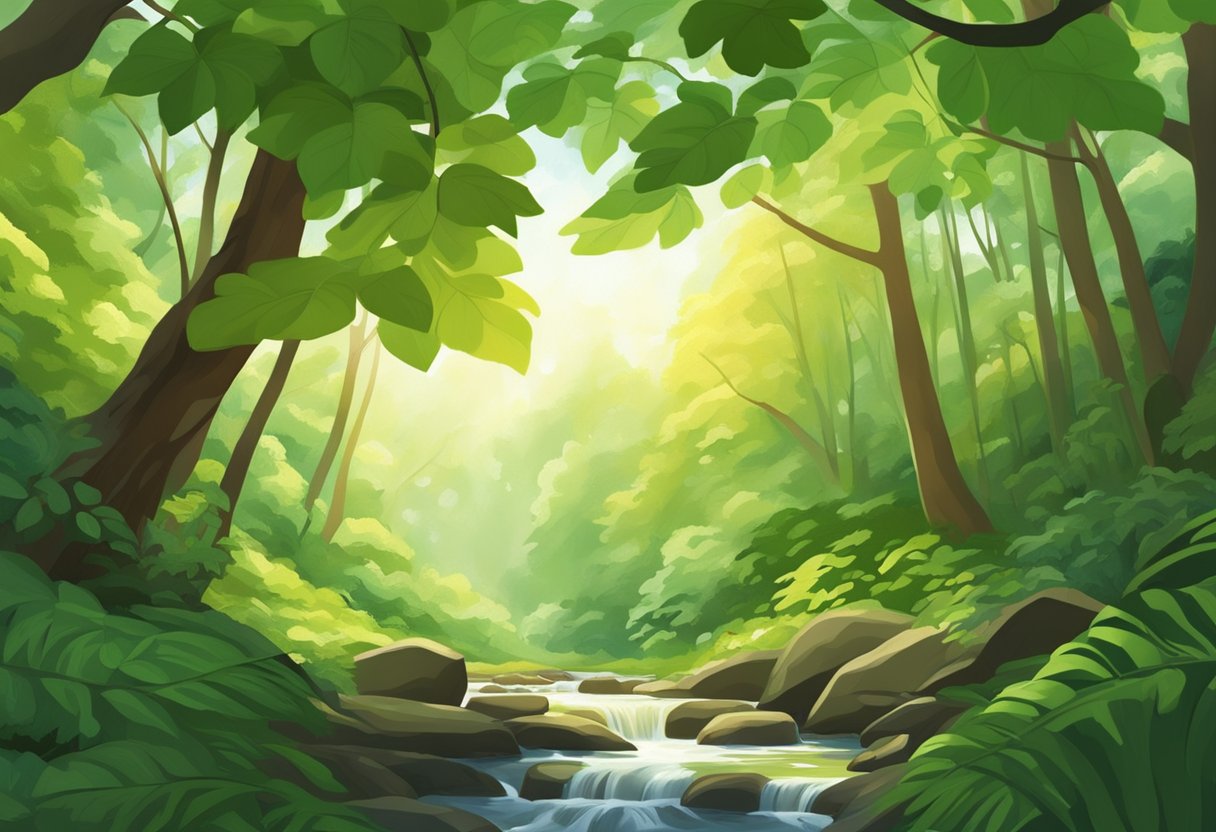
Forest bathing offers several physical health advantages. These include improvements to your heart, immune system, and sleep quality. It may also help with managing chronic pain.
Circulatory and Cardiovascular Health
Forest bathing can have positive effects on your heart health. When you spend time in forests, your blood pressure and heart rate tend to decrease. This can be especially helpful if you have high blood pressure or other heart issues.
The natural environment seems to lower stress hormones like cortisol. Lower cortisol levels are linked to better heart function. Regular forest visits might help prevent heart disease in the long run.
Forest air often contains plant compounds that may benefit your cardiovascular system. These substances can help relax your blood vessels, improving blood flow.
Immune System Enhancement
Your immune system gets a boost from forest bathing. The forest air contains substances called phytoncides. These are natural oils released by trees and plants.
When you breathe in phytoncides, your body increases production of natural killer cells. These cells help fight off viruses and even some types of cancer cells.
Studies have shown that the immune-boosting effects of a forest visit can last for several days after you return home. This means even occasional forest trips could help keep you healthier year-round.
Influence on Sleep Quality and Chronic Pain
Forest bathing may improve your sleep quality. The natural light and fresh air can help reset your body’s internal clock. This makes it easier to fall asleep at night and wake up feeling refreshed.
If you suffer from chronic pain, forest bathing might offer some relief. The calming effect of nature can help reduce stress and tension in your body. This may lead to less pain overall.
The gentle exercise of walking in nature can also help with pain management. It improves blood flow and releases endorphins, your body’s natural pain relievers.
Mechanisms Behind Forest Bathing

Forest bathing affects your mind and body through several key processes. These include natural plant compounds, mindful practices, and impacts on your thinking.
Effect of Phytoncides
Phytoncides are chemicals released by trees and plants. When you breathe them in during forest bathing, they can boost your immune system. These compounds increase the number and activity of your natural killer cells. These cells help fight off viruses and even some cancer cells.
Phytoncides also act like a form of aromatherapy. The scents can lower your stress levels and blood pressure. They may improve your mood and help you feel calmer.
Studies show spending time among trees can reduce stress hormones like cortisol. This effect can last for days after your forest visit.
Influence of Mindfulness and Self-Reflection
Forest bathing often involves mindfulness practices. You focus on your senses and surroundings in the present moment. This can help quiet your busy thoughts.
The natural setting gives you space for self-reflection. Away from daily distractions, you can think more clearly about your life and goals.
This combination of mindfulness and reflection can reduce anxiety and depression symptoms. It may work similarly to some types of cognitive behavioral therapy.
Interaction with Cognitive Function
Spending time in forests can sharpen your mental abilities. Studies show improvements in attention and memory after forest bathing sessions.
The calm environment lets your brain rest from constant stimulation. This can help restore your ability to focus and solve problems.
Nature views may also boost your creativity. Exposure to green spaces has been linked to better performance on creative tasks.
Forest bathing might even have long-term benefits for brain health. Some research suggests it could help protect against cognitive decline as you age.
Evidence-Based Insights
Forest bathing has shown promising results in scientific studies. Research points to several mental health benefits from spending time in nature. Let’s explore what the data tells us.
Systematic Reviews and Meta-Analyses
Systematic reviews of forest bathing have found positive effects on mental well-being. One review looked at 36 studies with over 3,500 participants. It showed that forest bathing can lower anxiety and depression symptoms.
Another review examined 11 other reviews. It also found that forest bathing helps reduce mental health issues. These studies give weight to the idea that nature exposure is good for your mind.
Therapeutic Effects and Psychophysiological Studies
Research shows forest bathing can be therapeutic for your body and mind. It may help lower stress levels and boost your mood. Some studies have found it can improve sleep quality too.
Forest bathing might even help your immune system. This could make you less likely to get sick. More research is needed, but early results are promising.
Limitations of Current Research
While many studies show benefits, there are some gaps in the research. Not all studies found major improvements in physical health from forest bathing. More long-term studies are needed to fully understand its effects.
Some research has small sample sizes or lacks control groups. This can make it hard to draw firm conclusions. Future studies should address these issues to give us a clearer picture of forest bathing’s benefits.
Implementation in Health Promotion
Forest bathing offers many health benefits. Public health officials are looking at ways to use it for disease prevention and improved well-being.
Incorporating into Disease Prevention
You can use forest bathing to help prevent diseases. Many studies show it reduces stress and anxiety. This can lower your risk of stress-related illnesses.
Forest bathing may also boost your immune system. This helps your body fight off infections and diseases. Some hospitals now offer forest therapy programs for patients.
To get the benefits, try to spend at least 2 hours per week in nature. You can break this up into shorter visits if needed. Even a 20-minute walk in a park can help.
Guidelines for Public Health and Well-Being
Public health groups are creating guidelines for forest bathing. These aim to improve quality of life for all ages. Here are some key points:
- Choose a safe, accessible forest or green space
- Walk slowly and use all your senses
- Leave your phone and other devices behind
- Spend at least 2 hours per week in nature
- Try different activities like meditation or yoga in the forest
Mental health nurses can recommend forest bathing to patients. It’s a low-cost way to boost mental health. You can also use it for team-building at work or school.
Remember, forest bathing is not a replacement for medical care. But it can be a helpful add-on to your health routine.
Social and Environmental Considerations
Forest bathing has wide-reaching effects beyond individual health. It connects to broader issues of conservation and urban planning. These factors shape how people can access and benefit from forest environments.
Forest Conservation and Sustainability
Forest conservation is key to maintaining spaces for forest bathing. Protecting forests helps preserve their positive effects on mental health. You can support conservation efforts by:
- Volunteering for local tree-planting initiatives
- Donating to forest preservation organizations
- Choosing sustainably sourced wood products
Sustainable forest management ensures long-term access to these natural spaces. It balances human use with forest health. This approach protects biodiversity and maintains forest ecosystems.
Urban Planning and Access to Green Spaces
Urban planners play a crucial role in providing access to green spaces. They design parks and urban forests that allow city dwellers to enjoy nature. You might find these spaces in your area:
- Community gardens
- Rooftop green spaces
- Urban trails and greenways
These areas offer a taste of forest bathing benefits in urban settings. They can reduce stress and improve air quality. Urban green spaces also create community gathering spots and encourage physical activity.
Conclusion
Forest bathing offers many benefits for your mind and body. You can improve your mood and lower stress by spending time in nature. Walking in forests helps you feel calmer and more relaxed.
Your physical health may also get better from forest bathing. It can lower your blood pressure and heart rate. This is good for your cardiovascular system.
Forest bathing connects you with nature in a special way. You use all your senses to take in the forest environment. This can make you feel more grounded and at peace.
Research shows forest bathing can be a useful tool for preventive medicine. It may help ward off some health issues before they start. You don’t need fancy equipment or training to try it.
To get the most out of forest bathing, try to do it regularly. Even short visits to green spaces can be beneficial. You might notice positive changes in how you feel over time.
Forest bathing fits well with other wellness practices. It’s a natural way to boost your overall health and well-being. Consider adding it to your self-care routine for both mental and physical benefits.
Frequently Asked Questions
Forest bathing offers many mental health benefits. It can reduce stress, improve mood, and boost overall well-being. Let’s explore some common questions about how spending time in nature affects our minds.
How does forest bathing contribute to mental wellness?
Forest bathing can help you feel calmer and more relaxed. When you spend time in nature, your body releases chemicals that lower stress levels. This can lead to improved mental clarity and a more positive outlook.
The sights, sounds, and smells of the forest can also distract you from negative thoughts. This break from daily worries allows your mind to reset and recharge.
What scientific evidence supports the psychological benefits of forest bathing?
Studies have shown that forest bathing can lower cortisol levels, a hormone linked to stress. Research also indicates that time in nature can improve mood and cognitive function.
Brain scans of people who spent time in forests show increased activity in areas linked to relaxation and happiness. These findings support the idea that nature exposure has real effects on our brains.
In what ways can forest bathing influence stress reduction and mood improvement?
Forest bathing can lower your heart rate and blood pressure. These physical changes often lead to feelings of calmness and relaxation. The quiet atmosphere of forests can also help quiet a busy mind.
Exposure to natural light and fresh air during forest bathing may boost serotonin levels. Serotonin is a chemical in your brain that affects mood. Higher levels can lead to feelings of happiness and well-being.
Can forest bathing have long-term benefits on one’s psychological health?
Regular forest bathing may lead to lasting improvements in mental health. Some studies suggest that the benefits can last for several days after a forest visit.
Over time, forest bathing might help you develop better coping skills for stress. It can also improve your overall outlook on life, leading to long-term positive changes in mental well-being.
How might forest bathing affect emotional regulation and mental clarity?
Forest environments can help you practice mindfulness. This means focusing on the present moment without judgment. Such practice can improve your ability to manage emotions and think clearly.
The peaceful setting of a forest can also provide space for self-reflection. This can lead to greater emotional awareness and better decision-making skills.
What are the potential impacts of forest bathing on anxiety and depression levels?
Forest bathing may help reduce symptoms of anxiety and depression. The calming effects of nature can ease worried thoughts and lift low moods.
Some studies show that time in forests can be as effective as medication for mild cases of depression.
Regular forest visits might also help prevent the onset of anxiety and depression. By reducing stress and improving overall mental health, forest bathing could act as a natural mood booster.






Leave a reply to The Power of Meditation: Ancient Wisdom Meets Neuroscience – Unveiling Brain Benefits – Potent U Cancel reply