Imagine seeing colors when you hear music or tasting flavors when you read words. This is the fascinating world of synesthesia, a unique way some people experience their senses. Synesthesia is a neurological condition where one sensory experience triggers another.
You might wonder if you can develop synesthesia yourself. While it’s usually something people are born with, there are ways you can try to experience similar sensory connections.
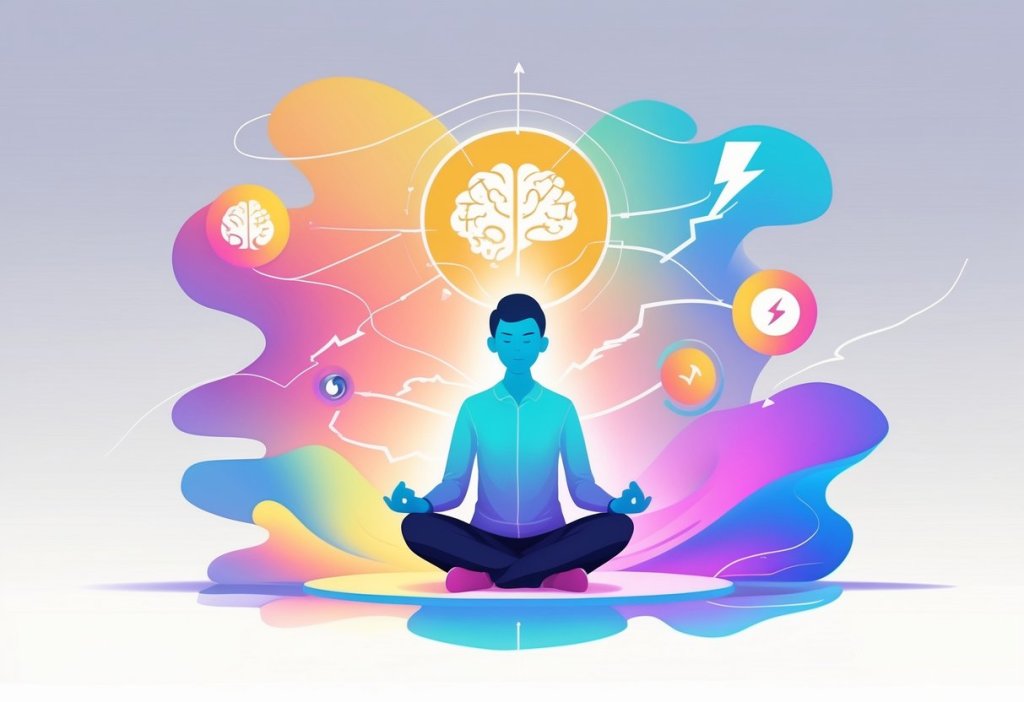
Some people report synesthesia-like effects through meditation, sensory exercises, or even certain drugs.
Keep in mind that these methods don’t create true synesthesia, but they can give you a taste of what it’s like.
Learning about synesthesia can open your eyes to the amazing ways our brains process information. It shows how unique each person’s perception of the world can be.
Whether you have synesthesia or not, exploring this topic can help you appreciate the richness of human experience.
Key Takeaways
- Synesthesia mixes senses in unusual ways, like seeing colors for letters or tasting sounds
- You can try exercises to experience synesthesia-like effects, though true synesthesia is usually inborn
- Studying synesthesia helps us understand how our brains process sensory information
Understanding Synesthesia
Synesthesia is a unique perceptual phenomenon where one sensory or cognitive pathway leads to automatic, involuntary experiences in another. This fascinating condition blends senses in unexpected ways, creating a rich sensory world for those who experience it.
Defining Synesthesia
Synesthesia is a neurological condition where stimulation of one sense triggers an experience in another sensory pathway.
For example, you might see colors when you hear music or taste flavors when you read words. This blending of senses is automatic and consistent for each person.
Synesthesia is not a disorder or illness. It’s a different way of perceiving the world.
You may experience synesthesia without realizing it’s unusual, as it’s been a part of your life since childhood.
There are two main types of synesthesia:
- Projective: You see actual colors, shapes, or forms
- Associative: You feel a strong connection between the stimulus and the extra perception
Types of Synesthesia
Synesthesia comes in many forms. Here are some common types:
- Grapheme-color: You see specific colors for letters or numbers
- Chromesthesia: You see colors when you hear sounds or music
- Lexical-gustatory: You taste specific flavors when you hear or read certain words
- Spatial sequence: You perceive numerical sequences as points in space
- Ordinal linguistic personification: You associate personalities with letters, numbers, or days of the week
Some people experience multiple types of synesthesia. The combinations of senses involved can vary widely from person to person.
Historical Background
The study of synesthesia dates back to the 19th century. Francis Galton, a prominent British scientist, first documented the condition in 1880. He noticed some people consistently associated colors with letters and numbers.
For many years, synesthesia was viewed with skepticism by the scientific community. Researchers thought it was a product of vivid imagination or drug use.
In the late 20th century, advanced brain imaging techniques helped prove synesthesia’s neurological basis. This led to increased interest and research into the condition.
Today, scientists estimate that about 4% of the population experiences some form of synesthesia. It’s more common in artists, musicians, and creative professionals.
The Science of Synesthesia
Synesthesia is a unique neurological condition with genetic roots. It affects how the brain processes sensory input and can impact cognitive abilities.
Neurological Underpinnings
Synesthesia involves unusual connections between different sensory areas of the brain. Your brain creates links between senses that don’t typically interact.
For example, you might see colors when you hear music. This happens because of increased connectivity between brain regions.
Neurotransmitters play a key role in this process. They help transmit signals between neurons, creating these unique sensory experiences.
In some cases, brain injuries or tumors can cause synesthesia. This shows how changes in brain structure can affect sensory processing.
Genetic Influences
Synesthesia often runs in families, suggesting a strong genetic component. You’re more likely to have synesthesia if a close relative has it.
Research indicates that specific genes may be responsible for synesthetic experiences. These genes affect how your brain develops and forms connections.
While the exact genetic mechanisms aren’t fully understood, scientists believe multiple genes are involved. This explains why synesthesia can manifest in different ways.
Cognitive and Sensory Processing
Synesthesia affects how you process sensory input. Your brain combines or links senses in unusual ways.
This unique processing can impact your cognitive abilities. Many people with synesthesia report enhanced:
- Memory
- Creativity
- Problem-solving skills
Your working memory may also be affected. Some studies show that synesthetes have better recall for certain types of information.
Synesthesia can develop early in life as a learning aid. Your brain might create these sensory links to help you remember and process information more effectively.
Developing Synesthesia
Synesthesia can be innate or acquired. Some people are born with it, while others may develop it later in life. Different factors can influence its development.
Innate vs Acquired
Synesthesia often starts in childhood. Kids might see colors when they hear music or taste flavors when they read words. This type usually stays with them as they grow up.
You can also get synesthesia as an adult. This is called acquired synesthesia. It might happen after an injury or illness that affects your brain.
Some people train themselves to have synesthesia-like experiences. They practice linking senses, like seeing colors for letters. This isn’t quite the same as true synesthesia, but it can be similar.
The Role of Drugs and Substances
Psychedelic drugs can cause temporary synesthesia-like effects. LSD, mescaline, and psilocybin are known for this. They can make you see sounds or taste colors for a short time.
Alcohol and caffeine might change how some synesthetes experience their symptoms. These effects vary from person to person.
Using drugs to try to develop synesthesia can be dangerous. The effects are usually short-lived and come with serious risks.
Sensory Deprivation and Synesthesia
Sensory deprivation might help you develop synesthesia-like experiences. This means cutting off input to one or more of your senses.
Float tanks are one way to try this. You float in salt water in a dark, quiet tank. Some people report seeing colors or shapes in this state.
Blindfolding yourself for long periods is another method. This can make your other senses more sensitive. You might start to “see” sounds or “feel” colors.
These techniques don’t always work. They’re also not the same as true synesthesia, but they can give you a taste of what it might be like.
Environmental and Emotional Factors
Your surroundings and feelings can affect synesthesia. Stress or strong emotions might make symptoms stronger or weaker.
Some synesthetes find their experiences change based on where they are. A noisy place might increase color-sound links. A calm setting could make them less noticeable.
Certain activities might trigger synesthesia. Reading, listening to music, or doing math are common triggers.
Paying close attention to these moments might help you notice subtle synesthesia-like effects.
Experiences of Synesthetes
Synesthetes have unique sensory experiences that blend different senses. Their daily lives are filled with involuntary sensations that can be both helpful and challenging.
Day-to-Day Realities
You might see colors when you hear music or taste flavors when you touch objects. These experiences are automatic and happen without effort.
For example, you could see letters and numbers in specific colors even when they’re printed in black.
Some synesthetes have ticker-tape synesthesia. This means you see spoken words as if they’re subtitles in your mind. Your brain creates these visual representations without you trying.
Your senses might mix in other ways too. You could smell scents when you see certain shapes or feel textures when you hear specific sounds.
Advantages and Challenges
Synesthesia can boost your memory and creativity. You might find it easier to remember names, dates, or phone numbers because of your color associations. Your unique sensory experiences can also spark creative ideas in art or music.
But synesthesia can have downsides too. You might get distracted by an overload of sensory experiences.
For instance, background noises could create vivid colors that make it hard to focus.
Some synesthetes also have misophonia, where certain sounds cause strong negative reactions. This can make some social situations difficult. You might also struggle to explain your experiences to others who don’t share them.
Diagnosis and Assessment

Diagnosing synesthesia involves specific tests and criteria. Experts use specialized tools to identify genuine synesthetic experiences and rule out other explanations.
Identifying Synesthesia
Synesthesia can be hard to spot. You might have it without knowing. Signs include consistent sensory links that don’t change over time. For example, you always see the letter A as red.
Doctors look for automatic responses. This means you can’t control the sensory mixing. It just happens.
They also check if your experiences are consistent. You should have the same reactions to stimuli over months or years.
The Synesthesia Battery
The Synesthesia Battery is a key tool for diagnosis. It’s a set of online tests that measure your responses.
This test checks for consistency in your synesthetic associations. It might show you letters or numbers and ask about colors you see.
The battery also tests how quickly you respond. True synesthetes often answer faster than others.
Results from this test help experts decide if you have synesthesia.
Criteria for Diagnosis
To be diagnosed with synesthesia, you need to meet certain standards. Your experiences must be:
- Involuntary
- Consistent over time
- Specific and detailed
Doctors look for test-retest reliability. This means your responses stay the same when tested again later.
They also check for automaticity. Your synesthetic reactions should happen instantly without effort.
For letter-color synesthesia, they examine if your color associations are unique to you and don’t follow common patterns.
Lifestyle and Coping
Living with synesthesia can be both a gift and a challenge. Your unique sensory experiences can enrich your life in many ways, but may also require some adjustments.
Managing Synesthesia in Life
Accepting your synesthesia is key to a happy life. Embrace your unique way of perceiving the world. Tell friends and family about your experiences so they can understand you better.
Keep a journal to track your synesthetic associations. This can help you make sense of your perceptions.
Create a calm environment at home and work. Reduce sensory overload by using noise-cancelling headphones or sunglasses when needed.
Take breaks when you feel overwhelmed. Find quiet spaces to relax and recharge.
Develop coping strategies that work for you, like deep breathing or mindfulness exercises.
Treatment Approaches
There’s no cure for synesthesia, nor is one needed. It’s not a disorder, but a different way of experiencing the world. Still, you might want help managing its effects.
Cognitive behavioral therapy can teach you ways to cope with any stress from your synesthesia. A therapist can help you learn valuable skills to handle your unique perceptions.
If you have trouble focusing, talk to a doctor. They might suggest ways to improve concentration. Some people find meditation helpful for managing sensory input.
Remember, you’re not alone. Join support groups or online communities for people with synesthesia. Sharing experiences can be comforting and informative.
Enhancing Creativity and Skills
Your synesthesia can be a powerful tool for creativity. Use your unique perceptions to inspire art, music, or writing.
Many famous artists and musicians have synesthesia and use it in their work.
Try new activities that match your synesthetic experiences. If you see colors when you hear music, you might enjoy painting while listening to songs. This can lead to interesting and original creations.
Develop your synesthesia skills to boost your memory. Create mental images that link to information you want to remember. This technique can help you learn and recall facts more easily.
Use your synesthesia in problem-solving. Your unique way of seeing connections might lead to innovative solutions.
Embrace your gift and let it guide you to new ideas and experiences.
The Future of Synesthesia Research
Synesthesia research is expanding rapidly. New studies aim to uncover its mechanisms and potential benefits. Future applications could impact fields like education and art.
Ongoing Studies and Developments
Scientists are exploring the neural basis of synesthesia using advanced brain imaging techniques. These studies may reveal how different senses connect in synesthetes’ brains.
Researchers are also investigating if synesthesia can be learned. Some experiments suggest adults can develop synesthesia-like traits through training. This challenges the idea that synesthesia is only inborn.
Genetic studies are another key area. Scientists are searching for genes linked to synesthesia. This could help explain why it runs in families.
Potential Applications
Synesthesia research may lead to new learning techniques. You might use color-number associations to improve math skills or memory.
In art and design, understanding synesthesia could inspire new forms of creative expression. You could create multi-sensory experiences based on synesthetic perceptions.
Consciousness research may benefit from studying synesthesia. It might offer insights into how your brain combines different sensory inputs.
Medical applications are also possible. Synesthesia-inspired therapies could help people with sensory processing disorders or brain injuries.
Frequently Asked Questions
Synesthesia is a unique sensory experience that varies from person to person. Many people wonder about its characteristics, diagnosis, and potential development.
How can one determine if they have synesthesia?
You can take a free online assessment to check for synesthesia. These tests can give you an initial idea, but they’re not definitive.
Ask yourself if you consistently experience unusual sensory connections. For example, do you always see specific colors when you hear certain sounds?
What are some common manifestations of synesthesia?
The most common form is seeing colors when looking at letters or numbers. This is called grapheme-color synesthesia.
Some people taste words or associate sounds with shapes. These experiences are consistent and involuntary for those with synesthesia.
Do medical professionals classify synesthesia as a neurological condition or a disorder?
Synesthesia is not considered a disorder. It’s viewed as a neurological trait or condition that some people have.
It doesn’t usually cause problems and may even be helpful for learning and memory in some cases.
What are the different types of synesthesia that individuals may experience?
There are many types of synesthesia. Some people see colors when they hear music. Others might feel textures when they taste certain foods.
Grapheme-color synesthesia is common, where letters or numbers are associated with specific colors.
What is the prevalence of synesthesia among the population?
Estimates vary, but synesthesia is thought to affect about 4% of the population. Some researchers believe it may be even more widespread, as many people with synesthesia don’t realize their experiences are unusual.
Can synesthesia be triggered or enhanced through specific activities or training?
You can ‘train’ yourself to have synesthesia-like experiences with practice. However, these effects are usually temporary and fade without continued use.
Some people report developing synesthesia-like experiences through meditation or certain drugs. But these aren’t the same as natural synesthesia.




Leave a reply to The Role of the Subconscious in Decision-Making: Science Meets Mysticism – Potent U Cancel reply