Sound healing is an ancient practice that uses vibrations and frequencies to promote relaxation and well-being. This method taps into the power of sound to affect your mind and body in positive ways.
Sound healing techniques can reduce stress, improve sleep, and boost mental clarity.
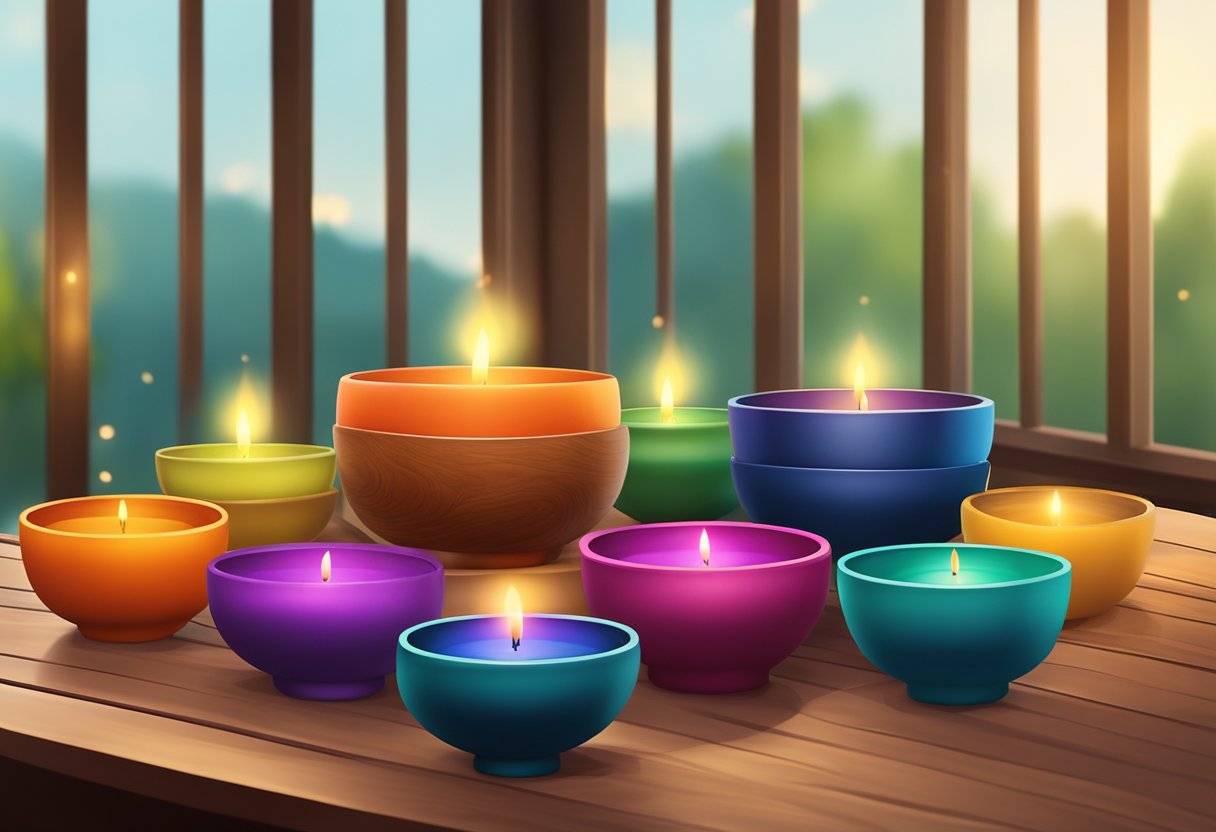
You might be wondering how simple sounds can have such profound effects. The key lies in the way your body responds to different vibrations.
When you listen to certain tones or rhythms, your brain waves can synchronize with them, leading to deep relaxation. This process can help ease anxiety, lower blood pressure, and even relieve pain.
There are many ways to experience sound healing.
You can try listening to singing bowls, tuning forks, or even your own voice through chanting.
Some people prefer guided sessions with a trained practitioner, while others incorporate sound healing into their daily routines at home.
No matter which method you choose, you’re likely to feel more centered and calm after a sound healing session.
Key Takeaways
- Sound healing uses vibrations to promote relaxation and improve mental health
- Various tools like singing bowls and tuning forks can be used for sound therapy
- Regular sound healing practices may reduce stress and enhance overall well-being
History of Sound Healing

Sound healing has been used for thousands of years in many cultures. It has played a key role in health and spirituality since ancient times.
Ancient Practices and Traditions
You can trace sound healing back to early civilizations. In ancient Egypt, sound was used in temples for healing. Chanting and mantras were common in India and Tibet. These practices aimed to balance the body and mind.
Tibetan singing bowls and gongs have been used for centuries. They create vibrations believed to promote healing. In China, music was an important part of traditional medicine. It was thought to affect the body’s energy flow.
Ancient Greeks used music to treat mental disorders. Native American tribes used drumming in healing rituals. These diverse traditions show how widespread sound healing was.
Development Through the Ages
Sound healing evolved over time. In the Middle Ages, European monasteries used Gregorian chants. These were thought to have healing properties.
The 18th century saw new theories about sound and health. Doctors began to study how music affects the body. In the 19th century, vibrational healing gained popularity.
Modern sound healing combines old and new methods. It uses traditional instruments like singing bowls. It also includes new technologies like binaural beats. Research now explores how sound affects brain waves and stress levels.
Today, you can find sound healing in many settings. It’s used in hospitals, wellness centers, and yoga studios. The practice continues to grow and adapt.
Scientific Foundations of Sound Healing
Sound healing is based on scientific principles of vibration and frequency. These concepts affect the human body and brain in measurable ways. Research has shown how specific sounds can influence our physical and mental states.
Understanding Frequency and Vibration
Frequency refers to the number of vibrations per second. Everything in the universe vibrates at different frequencies. Sound frequencies range from low, deep tones to high-pitched ones.
You can feel low frequencies physically, like bass in music. Higher frequencies are harder to feel but still affect you. Different frequencies can impact your body and mind in various ways.
Sound healing uses specific frequencies to promote wellbeing. Common tools include:
- Tuning forks
- Singing bowls
- Gongs
- Voice
The Impact of Vibrational Frequency on the Human Body
Your body is made up of cells that vibrate at different frequencies. When exposed to sound vibrations, your cells can respond. This is called resonance.
Resonance provides a scientific basis for how sound affects your body. It explains how sound waves can influence your:
- Heart rate
- Breathing
- Brain activity
- Hormone levels
Studies have shown that certain frequencies can reduce pain and stress. Others may boost mood or energy. Your body tends to sync up with external rhythms it’s exposed to.
Brainwaves and Entrainment
Your brain produces electrical waves that change based on your mental state. These brainwaves have different frequencies:
- Beta (13-30 Hz): Alert, focused
- Alpha (8-12 Hz): Relaxed, creative
- Theta (4-7 Hz): Drowsy, meditative
- Delta (0.5-3 Hz): Deep sleep
Sound healing often uses a technique called entrainment. This is when your brainwaves sync up with an external frequency. You can use specific sounds to guide your brain into desired states.
Binaural beats are a popular entrainment method. They use slightly different tones in each ear to create a perceived pulse. This pulse can lead your brain to match its frequency.
Methods of Sound Healing
Sound healing uses vibrations and frequencies to promote relaxation and wellness. Different tools and techniques can create healing sounds for the mind and body.
Singing Bowls and Gong Baths
Singing bowls are metal bowls that produce rich, resonant tones when struck or rubbed. They come in various sizes and materials. To use a singing bowl, you gently tap it or circle its rim with a mallet.
Gong baths use large gongs to create waves of sound. You lie down and let the vibrations wash over you. The deep tones can help you relax deeply.
Both singing bowls and gongs produce complex harmonics. These sounds may help:
- Reduce stress
- Improve focus
- Promote relaxation
- Balance energy
Tuning Forks and Their Uses
Tuning forks are Y-shaped metal tools that vibrate at specific frequencies when struck. You can use them on or near your body. Different frequencies target various issues:
- 528 Hz for DNA repair
- 174 Hz for pain relief
- 396 Hz for releasing fear
To use a tuning fork, tap it and place it on problem areas. You can also hold it near your ears. The vibrations travel through your body, potentially easing tension and promoting balance.
Binaural Beats and Healing Frequencies
Binaural beats use two slightly different tones in each ear. Your brain creates a third tone, which can alter brainwaves. You need headphones to experience this effect.
Healing frequencies like Solfeggio frequencies are said to have specific benefits:
- 396 Hz: Releases fear and guilt
- 528 Hz: Repairs DNA
- 639 Hz: Enhances relationships
To use these, listen to specially created tracks. You can find them online or use apps designed for sound healing.
Vocal Toning and Mantra Chanting
Vocal toning uses your own voice to create healing vibrations. You make long, sustained sounds like “om” or “ah.” Focus on feeling the vibrations in your body as you tone.
Mantra chanting involves repeating sacred sounds or phrases. Popular mantras include “om” and “om mani padme hum.” To practice:
- Choose a mantra
- Sit comfortably
- Repeat the mantra aloud or silently
- Focus on the sound and meaning
Both techniques can help calm your mind and reduce stress. They’re easy to practice anywhere and don’t require special equipment.
Benefits of Sound Healing
Sound healing offers many positive effects for both body and mind. It can ease stress, improve sleep, and help manage pain.
Physical and Psychological Health
Sound healing can boost your overall well-being. It may help lower your blood pressure and reduce inflammation. Many people find it eases symptoms of depression and anxiety.
Sound therapy can also help with PTSD. The soothing vibrations can calm your nervous system. This may help you feel more relaxed and centered.
Some forms of sound healing stimulate your vagus nerve. This large nerve plays a key role in your body’s rest and digest functions. Stimulating it can improve your mood and reduce stress.
Improving Sleep and Reducing Chronic Pain
If you struggle with sleep, sound healing might help. Many people find it easier to fall asleep after a sound therapy session. The calming sounds can quiet your mind and prepare your body for rest.
Sound healing may also offer relief from chronic pain. The vibrations can help relax tense muscles. This can ease discomfort in your back, neck, and other problem areas.
Some people report less pain from conditions like fibromyalgia after sound therapy. While more research is needed, many find it a helpful addition to their pain management plan.
Stress and Anxiety Relief
Sound healing is a powerful tool for managing stress and anxiety. The soothing tones can help calm your racing thoughts.
Many people feel more relaxed after just one session.
During a sound healing session, you might lie down and listen to instruments like gongs or singing bowls. The vibrations wash over you, helping release tension in your body and mind.
Regular sound therapy may help you feel more balanced in your daily life. It can give you tools to manage stress and anxiety on your own.
Many people find it easier to stay calm in challenging situations after practicing sound healing techniques.
Integrating Sound Healing into Daily Life

Sound healing can be a powerful tool for enhancing your daily well-being. You can easily add simple sound practices to your routine to boost your health and mood.
Exercises for Self-Care
Start your day with a gentle chime or bell sound. This can help you wake up calmly and set a peaceful tone.
Try humming for a few minutes during your morning shower. The vibrations can help clear your sinuses and relax your mind.
Use a singing bowl while taking breaks at work. Its soothing tones can reduce stress and improve focus.
You can also listen to nature sounds like ocean waves or birdsong during lunch to refresh your mind.
Before bed, try some deep breathing paired with low humming. This can help calm your nervous system and prepare you for sleep.
Keep a small chime by your bedside to use if you wake up at night, helping you return to sleep more easily.
Incorporating Sound Healing in Yoga and Meditation
Add mantras or chants to your yoga practice. The rhythmic sounds can deepen your breath and help you stay present.
Use a singing bowl to mark the beginning and end of your meditation sessions.
Try sound baths as part of your yoga routine. These immersive experiences use various instruments to create healing vibrations.
You can find guided sound meditations online to use at home.
Experiment with different tones during your practice. Low sounds can ground you, while higher pitches may energize you.
Pay attention to how each affects your body and mind.
Combining Sound with Other Healing Modalities
Pair sound healing with aromatherapy. Choose essential oils that complement the mood you want to create.
For example, use lavender with calming sounds for relaxation.
Try using tuning forks during acupressure. The vibrations can enhance the effects on your energy points.
You can also use them to “sweep” your body, releasing tension.
Incorporate sound into your massage routine. Use gentle chimes or bells to signal transitions or areas of focus.
This can help you stay present and deepen the healing experience.
Consider adding sound elements to your journaling practice. Play soft background music or use a singing bowl between writing sessions to clear your mind.
Cultural and Spiritual Aspects of Sound Healing
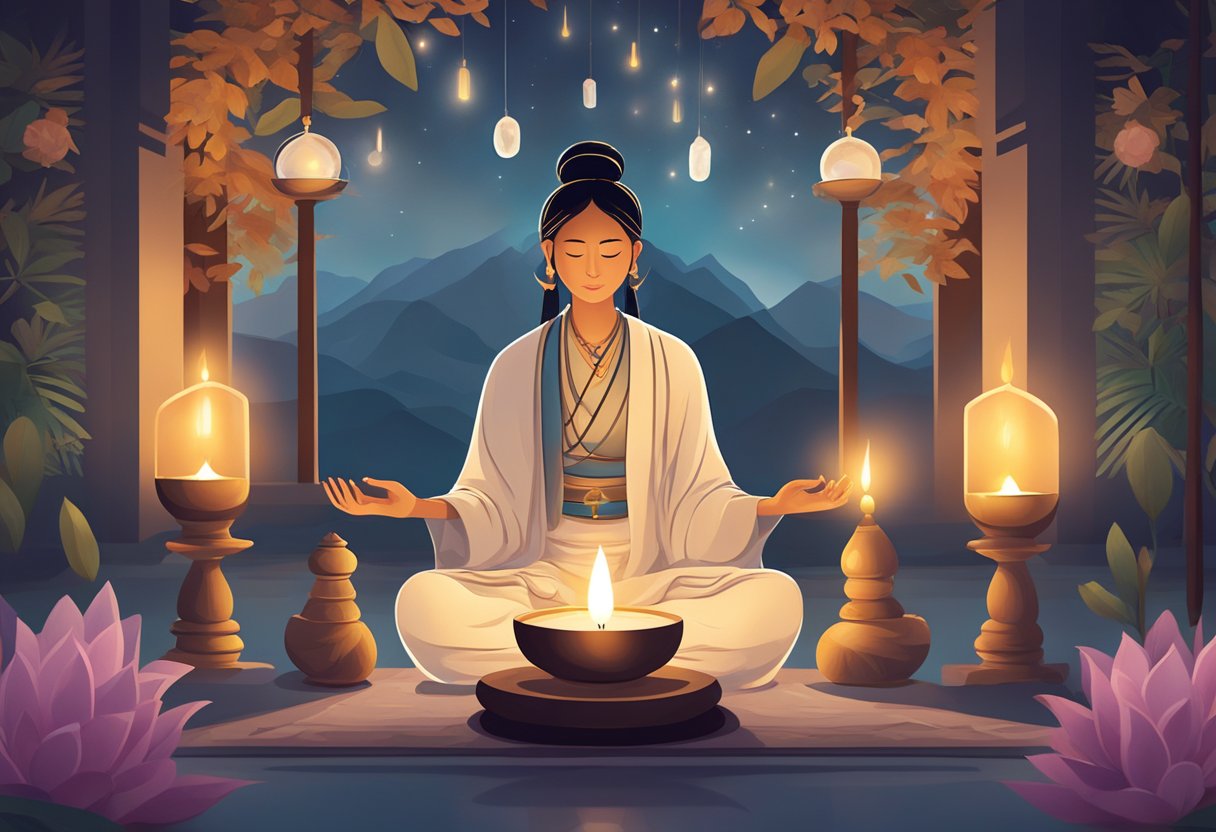
Sound healing has deep roots in cultures around the world. Many spiritual traditions use sound to promote well-being and connect with higher realms. Let’s explore how different practices use sound for healing and growth.
Chakras and Sound Healing
Chakras play a key role in many sound healing methods. These energy centers in your body respond to specific tones and vibrations.
Practitioners use instruments like singing bowls or chimes to target each chakra. The crown chakra connects to higher notes, while lower tones resonate with your root chakra.
Sound can help clear energetic blockages in your chakras. This may boost your creativity and emotional health.
You might feel more balanced and in tune with your intuition after a chakra-focused sound session.
Global Sound Healing Traditions
Cultures worldwide have unique sound healing practices. In India, kirtan uses call-and-response chanting to uplift the spirit.
Native American traditions often include drumming circles for healing. The steady beat can induce trance-like states and promote community bonding.
In Tibet, monks use throat singing and singing bowls in spiritual rituals. The vibrations are thought to clear negative energy and promote harmony.
Some modern practitioners work with specific frequencies like 432 Hz. They believe this tone aligns with nature’s vibrations and can reduce stress.
Music and Community in Healing
Group sound experiences can be powerful tools for healing. Drum circles and chanting groups create a sense of unity and shared purpose.
These communal practices often help release emotions like guilt or anger. The supportive environment lets you express yourself freely through sound.
Indigenous cultures often use music as a bridge between physical and spiritual realms. Shamanic singing and rattling are used to guide healing journeys.
You might find that participating in group sound healing boosts your mood and energy. The collective vibrations can create a profound sense of connection.
Advanced Sound Healing Techniques
Sound healing offers powerful techniques to promote relaxation and wellness. Advanced methods use specialized tools and practices to create deeper therapeutic effects through vibration and resonance.
Crystal Singing Bowls and Their Resonance
Crystal singing bowls produce pure, resonant tones that interact with your body’s energy centers. These bowls are made from quartz crystal and come in different sizes for various pitches.
When played, they create sound vibrations that wash over you.
You can use crystal bowls in meditation or healing sessions. Their tones help balance your chakras and promote relaxation.
Some practitioners combine multiple bowls to create complex harmonies.
To use a crystal bowl, you gently strike it or run a mallet around its rim. This creates a sustained tone that fills the space. As you listen, focus on the vibrations moving through your body.
Therapeutic Drumming
Drumming is a powerful tool for healing and stress relief. It uses rhythm to affect your body and mind.
The steady beat can help slow your heart rate and calm your thoughts.
You can experience therapeutic drumming in group sessions or individual practice. Many drums work well, including frame drums, djembes, and hand drums.
In a session, you might follow a leader’s rhythm or create your own. The vibrations from the drum resonate through your body.
This can help release tension and promote feelings of connection.
Regular drumming practice may reduce anxiety and boost your mood. It also offers a form of self-expression and creativity.
Advanced Entrainment Methods
Entrainment in sound healing uses specific frequencies to influence your brainwaves. Advanced methods combine multiple tones to create complex effects.
Binaural beats are a popular entrainment technique. You listen to two slightly different frequencies in each ear. Your brain creates a third tone, which can induce certain mental states.
Another method is isochronic tones. These are regular beats of a single tone. They can be more effective than binaural beats for some people.
Some practitioners use multi-instrument sound healing for entrainment.
This might combine singing bowls, gongs, and electronic tones. The goal is to create a rich soundscape that guides your mind to a desired state.
Frequently Asked Questions

Sound healing uses various instruments and techniques to promote wellness. Different tools work in unique ways to address specific needs. Let’s explore some common questions about sound healing methods and instruments.
What are considered the most effective ancient sound healing instruments?
Ancient sound healing instruments with lasting impacts include Tibetan singing bowls, gongs, and didgeridoos. These tools create deep vibrations that resonate through the body.
Tibetan singing bowls are especially popular for their rich, harmonic tones.
Crystal bowls are another powerful option. They produce pure, clear tones that align with specific energy centers in the body.
Which sound healing instruments are recommended for beginners?
For beginners, simple handheld instruments are a great starting point. Tuning forks are easy to use and precise. They target specific areas of the body with focused vibrations.
Rattles and shakers are also beginner-friendly. These instruments create rhythmic sounds that help shift energy and promote relaxation.
Can you list the seven frequencies believed to have healing properties?
The seven Solfeggio frequencies linked to healing are:
- 396 Hz – Liberating guilt and fear
- 417 Hz – Facilitating change
- 528 Hz – Transformation and miracles
- 639 Hz – Connecting relationships
- 741 Hz – Expression and solutions
- 852 Hz – Returning to spiritual order
- 963 Hz – Awakening intuition
These frequencies are often used in sound baths and group healing sessions.
What are some common shamanic instruments used in sound therapy?
Shamanic sound therapy often uses drums, rattles, and flutes. Drums create a steady rhythm that can induce trance-like states. This helps in journeying and emotional release.
Rain sticks and ocean drums mimic nature sounds. These instruments create soothing ambient noise that promotes relaxation and grounding.
How do chakra healing instruments work, and which ones are used?
Chakra healing instruments work by resonating with specific energy centers in the body. Crystal singing bowls are popular for this purpose. Each bowl corresponds to a different chakra.
Tuning forks and chimes also target individual chakras to balance energy and promote healing. They are tuned to specific frequencies.
What should one look for when purchasing sound healing instruments at wholesale?
When buying sound healing instruments wholesale, consider quality and authenticity.
Look for instruments made from traditional materials by skilled craftspeople.
Check the tonal quality and resonance of each instrument. Good vibrations should be clear and long-lasting.
Ensure the instruments are properly tuned and in good condition before purchasing.




Leave a reply to What is Synesthesia and How Can You Develop It: Unlocking Your Brain’s Hidden Potential – Potent U Cancel reply