The Root Chakra, also known as Muladhara, is the first energy center in the body’s chakra system. It sits at the base of the spine and plays a key role in our sense of safety and stability.
When balanced, the Root Chakra helps us feel grounded, secure, and connected to our physical surroundings.
Many people don’t realize how important this energy center is for overall well-being. A balanced Root Chakra supports our basic needs and allows us to thrive in daily life. It affects our physical health, mental state, and ability to handle stress.
There are simple ways to align and open the Root Chakra.
Yoga poses, meditation, and using certain colors can all help.
These practices can lead to feeling more stable and at peace. With some attention, anyone can tap into the power of their Root Chakra.
Key Takeaways
- The Root Chakra governs our sense of safety and stability
- A balanced Root Chakra supports overall well-being and stress management
- Simple practices like yoga and meditation can help align the Root Chakra
Understanding the Root Chakra
The root chakra forms the foundation of our energy system. It governs our basic needs and sense of security in the world. This chakra plays a key role in our physical and emotional wellbeing.
Definition and Significance
The root chakra, also called Muladhara, is the first of seven main chakras. It sits at the base of the spine. This energy center deals with survival, stability, and our connection to the physical world.
The root chakra provides a sense of safety and grounding. When balanced, it helps us feel secure and confident. An open root chakra allows energy to flow freely through the body.
People with a strong root chakra tend to be calm and centered. They can handle life’s challenges with ease. Those with an imbalanced root chakra may feel anxious or unstable.
Root Chakra Symbolism
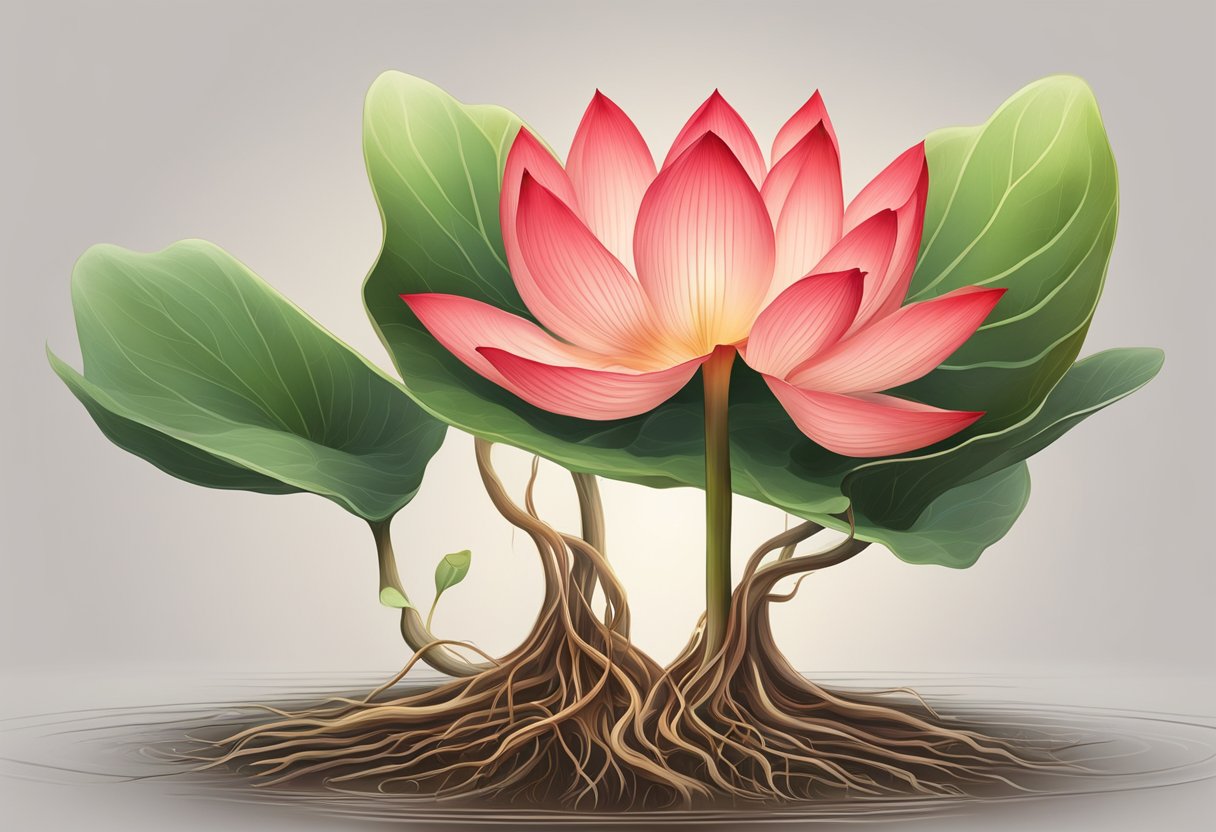
The root chakra is linked to the earth element. Its color is red, which represents strength and vitality. The symbol for this chakra is a four-petaled lotus flower.
Each petal stands for a different aspect of human nature:
- Physical
- Mental
- Emotional
- Spiritual
At the center is a downward-pointing triangle. This shape represents grounding energy and our connection to the earth. The Sanskrit word “Muladhara” means “root support”, reflecting its role as our energetic foundation.
The Physiological and Emotional Connection
The root chakra affects both our physical and emotional health.
Physically, it’s linked to the lower body, including:
- Legs
- Feet
- Tailbone
- Large intestine
Emotionally, the root chakra ties to our sense of safety and security. When balanced, we feel:
- Calm
- Grounded
- Secure
- Stable
An imbalanced root chakra can lead to:
- Anxiety
- Fear
- Insecurity
- Financial stress
Physical signs of a blocked root chakra may include:
- Lower back pain
- Sciatica
- Constipation
- Fatigue
The Chakra System
The root chakra is part of the larger chakra system. This system includes seven main energy centers that run from the base of the spine to the crown of the head.
Each chakra governs different aspects of our being:
- Root (Muladhara) – Survival and security
- Sacral (Svadhisthana) – Emotions and creativity
- Solar Plexus (Manipura) – Personal power
- Heart (Anahata) – Love and compassion
- Throat (Vishuddha) – Communication
- Third Eye (Ajna) – Intuition
- Crown (Sahasrara) – Spiritual connection
The chakras work together as a system. Balance in the root chakra supports the health of all other chakras. It provides a strong foundation for physical, emotional, and spiritual growth.
Balance and Imbalance

The root chakra’s state affects our sense of security and stability. When balanced, it helps us feel grounded and safe. An imbalance can lead to fear and anxiety.
Signs of a Balanced Root Chakra
A balanced root chakra brings stability and inner peace. People with a well-aligned root chakra feel secure in their lives. They have strong self-confidence and trust in the world around them.
Physical signs include:
- Good physical health
- Strong immune system
- Healthy weight
Emotional signs include:
- Feeling safe and secure
- Being calm under pressure
- Trusting others easily
A balanced root chakra helps with making decisions. It gives a sense of belonging and connection to one’s community.
Symptoms of Imbalance
An unbalanced root chakra can cause various issues. Mental challenges like poor focus and indecision may arise.
Physical symptoms:
- Lower back pain
- Digestive problems
- Fatigue
Emotional symptoms:
- Anxiety and fear
- Feeling ungrounded
- Trust issues
People with an imbalanced root chakra often worry about money. They may feel unsafe even in secure situations. Some might become overly cautious or paranoid.
Impact of an Unbalanced Root Chakra
An unbalanced root chakra affects many areas of life. It can lead to chronic stress and fear. This impacts both mental and physical health.
Work and relationships suffer due to lack of trust. People may struggle to commit or take risks. Financial problems often occur from poor decision-making.
Excessive anxiety about safety is common. This can lead to hoarding or being overly controlling. Some may have trouble sleeping or relaxing.
Practices for Alignment
Aligning the root chakra involves specific exercises and techniques. These practices help create a sense of stability and groundedness in daily life.
Root Chakra Yoga Poses and Movement
Yoga poses are effective for balancing the root chakra.
Tree pose strengthens the connection between feet and earth. Malasana, or garland pose, opens the hips and grounds the body. Mountain pose improves posture and stability.
Other helpful poses include:
- Warrior I and II
- Child’s pose
- Bridge pose
Regular practice of these asanas can improve physical and energetic balance. Moving the body through these poses helps release tension and promotes a sense of security.
Meditation and Visualization Techniques
Meditation calms the mind and connects one to their inner self.
For root chakra alignment, grounding meditations are key. These involve visualizing roots growing from the feet into the earth.
A simple practice:
- Sit comfortably
- Close the eyes
- Imagine red light at the base of the spine
- Visualize this light expanding and connecting to the earth
Walking meditation is another useful technique. It involves slow, mindful steps while focusing on the connection between feet and ground.
Breathwork and Affirmations
Breathwork helps calm the nervous system and center the mind.
Deep belly breathing is particularly effective for root chakra alignment. It involves slow, deep breaths that expand the abdomen.
Affirmations are positive statements that reinforce feelings of safety and security. Some examples:
- “I am safe and supported.”
- “I am grounded and stable.”
- “I trust in life’s abundance.”
Repeating these while doing breathwork can amplify their effect. The sound “LAM” is associated with the root chakra. Chanting this during meditation or breathwork can help focus the mind on root chakra healing.
Supportive Tools and Resources
Various tools and practices can help balance and strengthen the root chakra. These include gemstones, essential oils, and specific mudras and mantras.
Gemstones and Jewelry
Crystals and gemstones play a key role in root chakra healing. Red jasper, black tourmaline, and hematite are powerful stones for grounding energy. Hematite, in particular, boosts feelings of safety and security.
Wear these stones as jewelry or carry them in a pocket. Place them under your pillow or in your home to create a protective energy field. Red garnet and smoky quartz also work well for root chakra balancing.
For daily use, try a simple bracelet or pendant with these stones. This keeps their energy close to your body throughout the day.
Essential Oils and Aromatherapy
Aromatherapy scents can cleanse and balance the root chakra. Key oils include:
- Cedarwood
- Patchouli
- Vetiver
- Sandalwood
These earthy scents promote feelings of stability and comfort. Use them in a diffuser, add to bath water, or mix with a carrier oil for massage.
Apply these oils to the soles of your feet or the base of your spine. This targets the root chakra area directly. Start with a small amount to test for skin sensitivity.
Chakra Mudras and Mantras
The Muladhara mudra helps activate the root chakra. To form this mudra:
- Touch the tips of your thumb and index finger together.
- Keep the other fingers straight.
- Rest your hands on your knees while sitting cross-legged.
Hold this position for 5-10 minutes while focusing on your breath. This mudra builds trust and inner strength.
The root chakra’s seed mantra is “LAM”. Chant this sound out loud or silently. Repeat it 108 times for best results. This vibration aligns with the root chakra’s energy, promoting balance and grounding.
Integrating Root Chakra Work into Daily Life
Root chakra work can be woven into everyday routines through simple practices. These focus on grounding, nutrition, and relationships to boost stability and security.
Daily Practices for Grounding
Grounding exercises help connect with the earth element and promote stability. Try walking barefoot on grass or soil for 10 minutes daily. This simple act can strengthen your connection to the earth.
Yoga poses like mountain pose or tree pose build a sense of rootedness. Hold these for 5-10 breaths each morning.
Use positive affirmations to boost self-confidence. Repeat phrases like “I am safe” or “I am grounded” throughout the day.
Deep breathing exercises calm the mind and body. Take 5 slow breaths, imagining roots growing from your feet into the earth.
Nutrition and Lifestyle
Eating root vegetables nourishes the root chakra. Include carrots, potatoes, and beets in meals.
Wear red clothing or accessories to stimulate root chakra energy.
Create a stable daily routine. Regular meal times and sleep schedules promote a sense of security.
Declutter living spaces to reduce stress and increase feelings of safety at home.
Practice good financial habits. Budgeting and saving help meet basic needs and reduce money worries.
Community and Relationships
Build trust in relationships through open communication. Share feelings and listen actively to others.
Volunteer in the community to feel connected and grounded. Help at a local food bank or community garden.
Join a support group or club with shared interests. This fosters a sense of belonging and stability.
Spend time with family or close friends regularly. Strong bonds provide emotional security and support.
Practice setting healthy boundaries in relationships. This builds self-confidence and reduces fear.
Reinforcing Stability and Security
The root chakra forms the foundation of our energy system. When balanced, it provides a sense of safety and groundedness. Strengthening this chakra involves setting boundaries, creating supportive environments, and managing resources wisely.
Personal Boundaries and Safety
Setting clear personal boundaries is key to root chakra healing. This helps build self-confidence and trust. Saying “no” when needed protects your energy and space.
Learning self-defense can boost feelings of safety. Simple techniques like being aware of surroundings help too.
Regular exercise grounds the body. Yoga and meditation calm the mind. These practices reduce stress and increase stability.
Affirming your right to feel safe is powerful. Repeat phrases like “I am safe” or “I trust myself” daily.
Creating a Supportive Environment
Your physical space affects root chakra balance. Keep your home tidy and organized. This creates a sense of order and control.
Add red items to your decor. Red is the color associated with the root chakra. Plants can help you feel connected to nature.
Surround yourself with supportive people. Positive relationships boost feelings of security and comfort.
Create daily routines. Consistency helps the root chakra feel stable. Try a morning ritual or bedtime routine.
Financial and Resource Management
Money worries can shake root chakra stability. Create a budget to track income and expenses. This gives a clear picture of your finances.
Build an emergency fund. Even small amounts help. Knowing you have a safety net reduces stress.
Learn about investing. Growing your resources supports long-term security.
Use resources wisely. This includes time and energy, not just money. Prioritize activities that support your basic needs and well-being.
Seek help if needed. Financial advisors or coaches can offer guidance. Remember, asking for help is a sign of strength, not weakness.
Frequently Asked Questions
The root chakra plays a vital role in our physical and emotional well-being. Understanding its symptoms, healing techniques, and benefits can help us maintain balance and stability in our lives.
What are the common symptoms of a blocked root chakra?
A blocked root chakra can cause feelings of insecurity and instability. People may experience anxiety, fear, and a lack of confidence. Physical symptoms can include lower back pain, digestive issues, and fatigue.
Which techniques can unblock and heal the root chakra?
Grounding exercises like walking barefoot on grass or soil can help heal the root chakra. Yoga poses such as Mountain Pose and Child’s Pose are effective. Meditation focused on the base of the spine can also be beneficial.
What emotions are associated with a blocked root chakra?
A blocked root chakra often leads to feelings of fear and anxiety. People may experience a sense of disconnection from their surroundings. Anger, frustration, and a lack of purpose are also common emotional symptoms.
Where is the root chakra located in the female body?
The root chakra is located at the base of the spine in both males and females. It is associated with the tailbone area and the pelvic floor. This chakra forms the foundation of the entire chakra system.
What are the benefits of having a balanced root chakra?
A balanced root chakra promotes a sense of safety and security. It helps individuals feel grounded and connected to their environment. People with a balanced root chakra often experience improved physical health and emotional stability.
What are the signs of the root chakra opening?
When the root chakra opens, people often feel more grounded and secure. They may experience a tingling sensation at the base of the spine. Increased energy levels and a sense of inner peace are also common signs.






Leave a reply to Best Chakra Healing Methods: Top Techniques for Energy Balance – Potent U Cancel reply