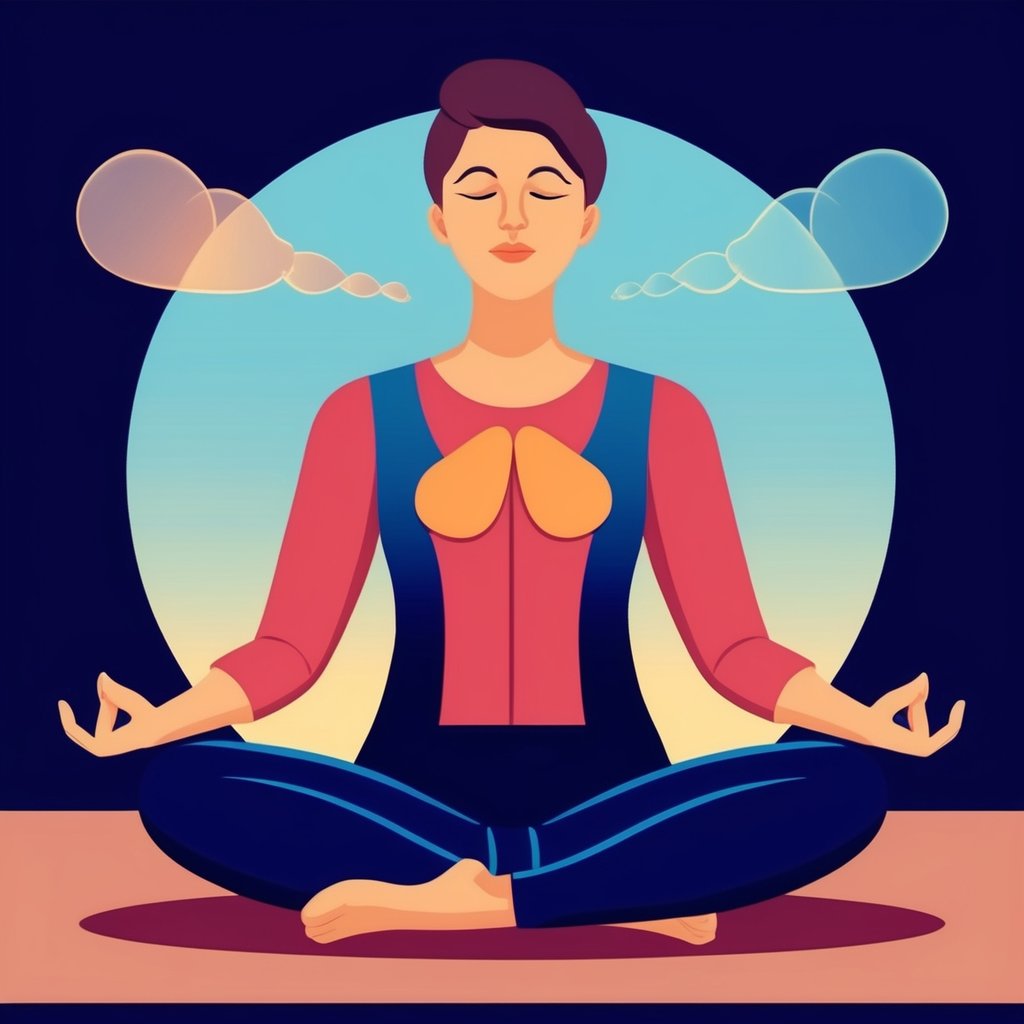
Breathing exercises offer a simple yet powerful way to boost your health and well-being. These techniques can help you manage stress, reduce anxiety, and improve your overall physical and mental state. Deep breathing exercises can lower blood pressure and cortisol levels, which are key markers of stress in the body.

Many people don’t realize how much their breathing affects their daily life. Shallow, rapid breathing is common when we’re stressed or anxious. This type of breathing can make us feel even more tense and worried. On the other hand, slow, deep breaths can calm our minds and relax our bodies.
Breathing exercises are easy to learn and can be done anywhere, at any time. They don’t require special equipment or a lot of time. Just a few minutes of focused breathing each day can make a big difference in how you feel and function.
Key Takeaways
- Breathing exercises can reduce stress and improve mental well-being
- Deep breathing techniques can lower blood pressure and stress hormone levels
- Regular practice of breathing exercises can be easily incorporated into daily life
——————————————————————————————
Here are some related books to help your on your journey:
1. Breath: The New Science of a Lost Art
2. The Healing Power of the Breath
3. The Relaxation Response
FYI – If you decide to purchase any of the above book recommendations, Potent U will get a small referral fee from Amazon. This fee does not affect the price you pay. You would pay the same price regardless. Thank you for your support!
——————————————————————————————
Understanding Breathing and Its Impact on Health
Breathing is a vital process that affects our health in many ways. It connects to important systems in our body and can change how we feel.
The Basics of Breathing
Breathing moves air in and out of our lungs. When we breathe in, our lungs fill with oxygen. When we breathe out, we get rid of carbon dioxide. This exchange of gases is key for our body to work well.
Our diaphragm is the main muscle for breathing. It moves down when we breathe in, making room for our lungs to expand. Then it moves up when we breathe out, pushing air out of our lungs.
Most people take about 12 to 20 breaths per minute when resting. This rate can change based on what we’re doing or how we feel.
Role of the Autonomic Nervous System
The autonomic nervous system controls breathing without us having to think about it. It has two parts: the sympathetic and parasympathetic systems.
The sympathetic system speeds up breathing when we’re stressed or active. The parasympathetic system slows breathing when we’re calm or resting.
These systems work together to keep our breathing in balance. They adjust how fast and deep we breathe based on what our body needs.
Breathing and the Central Nervous System
The central nervous system, which includes the brain and spinal cord, plays a big role in breathing. It sends signals to start each breath and controls how we breathe.
Deep breathing can affect our brain and how we feel. It may help reduce stress, improve focus, and boost mood.
Some breathing exercises can calm our mind and body. They work by sending signals through the nervous system to relax us.
Psychological Effects of Breathing Exercises
Breathing exercises have a wide range of positive impacts on mental health and cognitive function. They can help people feel calmer, think more clearly, and manage difficult emotions.
Stress Reduction
Breathing exercises are powerful tools for lowering stress. Deep breaths trigger the body’s relaxation response. This slows heart rate and lowers blood pressure.
The exercises also reduce levels of cortisol, a key stress hormone. With regular practice, people often feel more at ease in their daily lives.
Focused breathing takes attention away from stressful thoughts. It brings the mind to the present moment. This can break cycles of worry and rumination.
Anxiety Alleviation
For those dealing with anxiety, breathing exercises offer relief. Slow, deep breaths activate the parasympathetic nervous system. This counters the “fight or flight” response of anxiety.
Breathing techniques increase feelings of comfort and relaxation. They help people feel more grounded when anxious thoughts arise.
Many find these exercises helpful for managing panic attacks. The focus on breath can prevent hyperventilation and reduce physical symptoms of anxiety.
Managing Depression and Anger
Breathing exercises can lift mood and ease symptoms of depression. Deep breaths increase oxygen flow to the brain. This may help balance neurotransmitters linked to mood.
The exercises promote a sense of calm and well-being. This can counteract feelings of hopelessness or low energy common in depression.
For anger management, slow breathing helps people pause and regain control. It provides a moment to step back from intense emotions. This allows for a more measured response to frustrating situations.
Cognitive Performance and Alertness
Breathing exercises boost brain function. They increase alpha wave activity in the brain. This is linked to improved cognitive performance.
People often report feeling more alert and focused after deep breathing. The increased oxygen to the brain may sharpen mental clarity.
These techniques can enhance concentration and memory. Students and professionals use them to improve performance on tasks requiring attention.
Breathing exercises may also boost creativity. The relaxed state they induce can lead to new insights and problem-solving abilities.
——————————————————————————————
Here are some related books to help your on your journey:
1. Breath: The New Science of a Lost Art
2. The Healing Power of the Breath
3. The Relaxation Response
FYI – If you decide to purchase any of the above book recommendations, Potent U will get a small referral fee from Amazon. This fee does not affect the price you pay. You would pay the same price regardless. Thank you for your support!
——————————————————————————————
Physiological Benefits of Controlled Breathing
Controlled breathing exercises can have profound effects on the body’s vital functions. These practices influence heart rate, blood pressure, lung capacity, digestion, and sleep patterns in positive ways.
Heart Rate and Blood Pressure
Controlled breathing techniques can help regulate heart rate and lower blood pressure. Deep, slow breaths activate the parasympathetic nervous system, which slows the heart rate.
This relaxation response can lead to a decrease in blood pressure. Regular practice of breathing exercises may help people with hypertension manage their condition more effectively.
Controlled breathing also improves heart rate variability, a measure of the heart’s ability to adapt to stress and changes in the environment. Higher heart rate variability is linked to better cardiovascular health and stress resilience.
Respiratory Health
Breathing exercises can significantly improve lung function and respiratory health. They help increase lung capacity and strengthen the diaphragm, the main muscle used for breathing.
Practices like diaphragmatic breathing and pursed-lip breathing can be especially helpful for people with respiratory conditions such as asthma or chronic obstructive pulmonary disease (COPD).
These techniques can help improve oxygen intake and carbon dioxide release, leading to more efficient breathing. They may also reduce the frequency and severity of respiratory symptoms in some individuals.
Digestive System Improvement
Conscious breathing can have surprising benefits for the digestive system. Deep breaths stimulate the relaxation response, which enhances blood flow to digestive organs.
This improved circulation can aid in better digestion and nutrient absorption. Breathing exercises may also help reduce symptoms of digestive disorders like irritable bowel syndrome (IBS).
By calming the nervous system, controlled breathing can decrease stress-related digestive issues such as stomachaches, nausea, and indigestion.
Enhanced Sleep Quality
Controlled breathing techniques can significantly improve sleep quality. They help calm the mind and relax the body, making it easier to fall asleep and stay asleep throughout the night.
Practices like the 4-7-8 breathing technique or simple deep breathing before bed can reduce insomnia symptoms. These methods lower heart rate and blood pressure, creating ideal conditions for sleep.
Regular use of breathing exercises may also increase overall sleep duration and reduce nighttime awakenings. This leads to more restful and restorative sleep, improving daytime energy and cognitive function.
——————————————————————————————
Here are some related books to help your on your journey:
1. Breath: The New Science of a Lost Art
2. The Healing Power of the Breath
3. The Relaxation Response
FYI – If you decide to purchase any of the above book recommendations, Potent U will get a small referral fee from Amazon. This fee does not affect the price you pay. You would pay the same price regardless. Thank you for your support!
——————————————————————————————
Breathing Techniques and Practices
Breathing exercises can improve health and well-being. These techniques range from simple deep breaths to more complex yoga-based practices. Each method offers unique benefits for relaxation, stress relief, and overall wellness.
Deep Breathing Fundamentals
Deep breathing forms the basis of many relaxation techniques. It involves taking slow, deep breaths from the diaphragm. This practice can reduce stress and anxiety.
To start, one should find a comfortable position. Inhale slowly through the nose, allowing the belly to expand. Exhale fully through the mouth. Repeat this process for several minutes.
Deep breathing increases oxygen flow to the body and brain. It can lower heart rate and blood pressure. Regular practice may improve focus and emotional balance.
Diaphragmatic Breathing
Diaphragmatic breathing, also known as belly breathing, engages the diaphragm fully. This technique strengthens the diaphragm muscle and improves breathing efficiency.
To practice, one should lie down or sit comfortably. Place one hand on the chest and the other on the belly. Breathe in slowly through the nose, feeling the belly rise. The chest should remain relatively still.
Diaphragmatic breathing can help with COPD and other respiratory conditions. It may also reduce stress and improve core muscle stability.
Pranayama and Yoga Breathing
Pranayama refers to breathing techniques used in yoga. These practices aim to control the breath and, by extension, the mind and body.
Common pranayama techniques include:
- Ujjayi: “Victorious breath,” creating an ocean-like sound
- Kapalabhati: “Skull shining breath,” involving rapid exhales
- Nadi Shodhana: Alternate nostril breathing
These techniques can enhance focus, reduce stress, and improve lung function. They may also boost energy levels and promote relaxation.
Advanced Techniques: 4-7-8 and Alternate Nostril Breathing
The 4-7-8 technique involves inhaling for 4 counts, holding for 7, and exhaling for 8. This pattern can promote relaxation and may help with sleep issues.
To practice:
- Inhale through the nose for 4 seconds
- Hold the breath for 7 seconds
- Exhale through the mouth for 8 seconds
- Repeat 4 times
Alternate nostril breathing balances the left and right sides of the brain. It may reduce anxiety and improve cardiovascular function.
To perform:
- Close the right nostril, inhale through the left
- Close both nostrils, hold briefly
- Open the right nostril, exhale
- Repeat, alternating nostrils
These advanced techniques require practice but can offer significant benefits for mental and physical well-being.
Incorporating Breathing Exercises into Daily Life
Breathing exercises can easily fit into your daily routine. They offer many benefits for both mind and body when done regularly.
Mindfulness and Meditation
Breathing is a key part of mindfulness and meditation. Deep breathing helps promote calm and focus. To start, find a quiet spot to sit or lie down.
Take slow, deep breaths through your nose. Feel your belly rise and fall. Pay attention to each breath. Let thoughts pass without judging them.
Try this for 5-10 minutes each morning. It can set a peaceful tone for the day. You can also do quick breathing breaks throughout the day when you feel stressed.
Stress Management Strategies
Breathing exercises are great tools for managing stress. When feeling tense, try this simple technique:
- Breathe in for 4 counts
- Hold for 4 counts
- Breathe out for 4 counts
- Repeat 3-5 times
This helps activate the body’s relaxation response. It can lower heart rate and blood pressure.
Another option is belly breathing. Put one hand on your chest and one on your belly. Breathe so only your belly rises. This engages the diaphragm fully.
Regular Practice and Routine
Making breathing exercises a habit takes time. Start small with 5 minutes a day. Gradually increase to 10-15 minutes.
Pick set times to practice:
- First thing in the morning
- Before meals
- During work breaks
- Before bed
Link exercises to daily activities as reminders. For example, do a minute of deep breathing while waiting for coffee to brew.
Use phone apps or alarms as prompts. Consistency is key for seeing benefits.
Breathwork for Specific Health Conditions
Breathing exercises can help manage many health issues. For anxiety, slow breathing calms the nervous system. It may reduce symptoms like racing thoughts.
Mindful breathing may ease chronic pain. It shifts focus away from discomfort. For asthma, certain techniques can improve lung function.
People with high blood pressure might try alternate nostril breathing. This involves breathing through one nostril at a time. Always check with a doctor before starting new exercises, especially for health conditions.
——————————————————————————————
Here are some related books to help your on your journey:
1. Breath: The New Science of a Lost Art
2. The Healing Power of the Breath
3. The Relaxation Response
FYI – If you decide to purchase any of the above book recommendations, Potent U will get a small referral fee from Amazon. This fee does not affect the price you pay. You would pay the same price regardless. Thank you for your support!
——————————————————————————————
Impact of Breathing Exercises on Special Populations
Breathing exercises offer specific benefits for people with various health conditions. These practices can improve lung function, reduce stress, and enhance overall well-being for those with cardiovascular issues, respiratory diseases, and blood pressure concerns.
People with Cardiovascular Disease
Breathing exercises can play a crucial role in managing cardiovascular disease. Yoga-based breathing exercises have shown positive effects on mental health in cardiac patients. These techniques help reduce stress and anxiety, which are common among those with heart conditions.
Regular practice of controlled breathing can lower heart rate and blood pressure. This reduction in cardiovascular strain is beneficial for heart health. Slow, deep breathing exercises also improve oxygen uptake, enhancing circulation and supporting heart function.
For individuals recovering from cardiac events, breathing exercises serve as a gentle form of physical activity. They help build stamina and confidence without putting excessive stress on the heart.
Individuals Suffering from COPD and Asthma
Breathing exercises are particularly valuable for people with respiratory conditions like COPD and asthma. These techniques help improve lung capacity and strengthen respiratory muscles.
Diaphragmatic breathing and yogic breathing have shown positive effects on quality of life and asthma symptoms. Regular practice can reduce the frequency and severity of asthma attacks. It also helps in managing breathlessness, a common symptom in COPD.
Pursed-lip breathing, a technique often taught to COPD patients, helps slow down breathing and increase oxygen intake. This method can alleviate shortness of breath during physical activities.
Breathing exercises also promote relaxation, reducing anxiety often associated with respiratory distress. This mental calming effect can prevent panic during breathing difficulties.
High Blood Pressure and Hypertension Patients
For individuals with high blood pressure or hypertension, breathing exercises offer a non-pharmacological approach to management. Slow, deep breathing activates the parasympathetic nervous system, promoting relaxation and lowering blood pressure.
Regular practice of controlled breathing can lead to long-term reductions in blood pressure. This effect complements medication and lifestyle changes in hypertension management.
Deep breathing exercises performed at work have shown potential in reducing stress, which is crucial for blood pressure control. Even short sessions can provide immediate benefits in stressful situations.
These exercises also improve overall cardiovascular health by reducing heart rate and increasing heart rate variability. This can lead to better blood pressure regulation over time.
Empirical Evidence and Research
Scientific studies have shown the positive effects of breathing exercises on both physical and mental health. Researchers have used various metrics to measure these benefits.
Studies from Reputable Institutions
Massachusetts General Hospital conducted research on guided breathing exercises. They found these techniques can reduce stress and anxiety levels in patients.
Other respected medical centers have also studied breathing exercises. Their findings show improvements in blood pressure, heart rate, and overall mood.
One study looked at the impact of slow breathing on the nervous system. It found that controlled breathing can activate the parasympathetic nervous system. This helps promote relaxation and reduce stress.
Measurement of Effectiveness: Heart Rate Variability and Other Metrics
Heart Rate Variability (HRV) is a key metric used to assess the effects of breathing exercises. Higher HRV indicates better stress management and overall health.
Researchers use special devices to measure HRV during breathing exercises. These tools can show real-time changes in the body’s stress response.
Alpha wave activity in the brain is another important measure. Increased alpha waves are linked to relaxation and improved focus. Studies have shown that certain breathing techniques can boost alpha wave production.
Blood tests can also reveal the impact of regular breathing exercises. These may show reduced levels of stress hormones like cortisol.
——————————————————————————————
Here are some related books to help your on your journey:
1. Breath: The New Science of a Lost Art
2. The Healing Power of the Breath
3. The Relaxation Response
FYI – If you decide to purchase any of the above book recommendations, Potent U will get a small referral fee from Amazon. This fee does not affect the price you pay. You would pay the same price regardless. Thank you for your support!
——————————————————————————————
Frequently Asked Questions

Breathing exercises offer numerous benefits for both physical and mental health. They can help manage stress, improve lung function, enhance mental well-being, and contribute to overall physical health.
What are the benefits of deep breathing for stress management?
Deep breathing helps reduce stress and anxiety. It lowers blood pressure and cortisol levels, which are stress markers.
When practiced regularly, deep breathing can calm the mind and relax the body. This technique activates the body’s relaxation response, countering the effects of stress.
How can breathing exercises improve lung function?
Breathing exercises can strengthen and increase flexibility in the lungs. For people with COPD, specific breathing techniques like pursed lip or belly breathing help rebuild lung strength.
These exercises also improve lung capacity and oxygen intake. This can lead to better overall respiratory function and increased endurance.
In what ways do breathing techniques enhance mental health?
Breathing techniques can significantly impact mental health. They help reduce feelings of anxiety, depression, and anger.
Studies show that slow, deep breathing promotes feelings of comfort, relaxation, and alertness. It can also increase vigor and decrease confusion.
Can diaphragmatic breathing affect physical health, and how?
Diaphragmatic breathing, also known as belly breathing, can positively affect physical health. It helps lower heart rate and blood pressure.
This type of breathing improves core muscle stability and can aid in digestion. It also promotes better oxygen flow throughout the body.
What is the 4-7-8 breathing technique and what are its potential benefits?
The 4-7-8 breathing technique involves inhaling for 4 counts, holding for 7, and exhaling for 8. It’s known for its calming effects.
This technique can help reduce anxiety and promote better sleep. It may also help manage cravings and control anger responses.
How does belly breathing contribute to overall well-being?
Belly breathing engages the diaphragm fully, promoting relaxation and stress reduction. It helps increase oxygen levels in the blood.
This type of breathing can improve focus and concentration. It also supports the body’s natural detoxification processes and can boost energy levels.
——————————————————————————————
Here are some related books to help your on your journey:
1. Breath: The New Science of a Lost Art
2. The Healing Power of the Breath
3. The Relaxation Response
FYI – If you decide to purchase any of the above book recommendations, Potent U will get a small referral fee from Amazon. This fee does not affect the price you pay. You would pay the same price regardless. Thank you for your support!
——————————————————————————————





Leave a reply to The Root Chakra: Grounding Your Energy for Stability and Security – Potent U Cancel reply