Brain waves are fascinating electrical patterns that occur in our brains. These waves change based on our mental state and activity. Scientists measure brain waves using a device called an electroencephalogram (EEG).
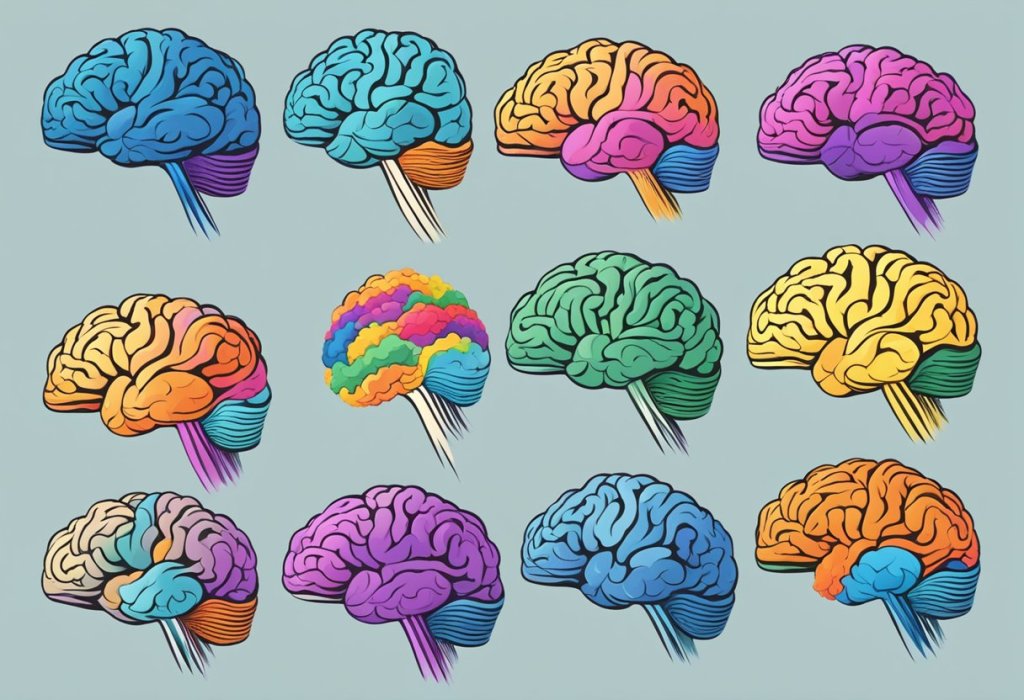
There are five main types of brain waves: delta, theta, alpha, beta, and gamma. Each type has a different frequency and is linked to specific states of mind. Delta waves happen during deep sleep. Theta waves occur in light sleep and deep relaxation. Alpha waves are present during calm alertness. Beta waves show up when we’re focused and busy. Gamma waves appear during intense mental activity.
Understanding brain waves can help us improve our mental health and performance. By learning to control our brain states, we might be able to reduce stress, boost focus, or even enhance our learning abilities. This knowledge opens up exciting possibilities for personal growth and well-being.
Key Takeaways
- Brain waves are electrical signals that reflect different mental states
- There are five main types of brain waves, each linked to specific activities
- Understanding brain waves may help improve mental health and cognitive performance
Understanding Brain Waves
Brain waves are electrical signals produced by neural activity in the brain. They occur at different frequencies and are linked to various mental states and cognitive processes. Brain waves can be measured and analyzed to gain insights into brain function and health.
Basic Principles of Brainwaves
Brain waves are electrical impulses that flow through the brain, creating patterns of activity. They are measured in cycles per second, or hertz (Hz). The main types of brain waves are delta, theta, alpha, beta, and gamma.
Each type of brain wave is associated with specific mental states and cognitive functions. For example:
- Delta waves (0.5-4 Hz): Deep sleep, healing
- Theta waves (4-8 Hz): Creativity, meditation
- Alpha waves (8-13 Hz): Relaxation, calmness
- Beta waves (13-30 Hz): Alert, focused attention
- Gamma waves (30-100 Hz): Problem-solving, high-level processing
Brain waves change throughout the day based on a person’s activities and mental state. Different brain regions may produce varying wave patterns simultaneously.
Role of EEG in Brain Wave Detection
Electroencephalography (EEG) is the primary method for measuring brain waves. This non-invasive technique uses electrodes placed on the scalp to detect electrical activity in the brain.
EEG recordings show the collective electrical activity of millions of neurons. The resulting waveforms provide valuable information about brain function and can help diagnose various neurological conditions.
EEG has several applications:
- Detecting sleep disorders
- Monitoring anesthesia depth during surgery
- Diagnosing epilepsy and other seizure disorders
- Studying cognitive processes and mental states
Advances in EEG technology have made it possible to use portable devices for brain wave monitoring outside of clinical settings.
Significance of Brainwave Frequencies
Different brainwave frequencies are linked to specific cognitive and emotional states. Understanding these connections can provide insights into mental processes and overall brain health.
Beta waves, for instance, are associated with active thinking and focus. They are dominant when a person is engaged in problem-solving or decision-making tasks. Alpha waves, on the other hand, become more prominent during relaxation and light meditation.
Studying brainwave patterns can help researchers:
- Develop treatments for neurological disorders
- Enhance cognitive performance
- Improve sleep quality
- Create more effective meditation and relaxation techniques
By analyzing brainwave frequencies, scientists can better understand how the brain processes information and responds to various stimuli. This knowledge has applications in fields such as neuroscience, psychology, and medicine.
The Five Brain Wave States
Brain waves are electrical signals that reflect different mental states. Each type of wave has unique characteristics and functions in our minds and bodies.
Delta Waves: Deep Sleep and Restoration
Delta waves occur during deep, dreamless sleep. These slow waves have a frequency of 0.5 to 4 Hz. They play a key role in physical healing and recovery.
In this state, the body repairs tissues and boosts the immune system. Growth hormone is released, which aids in cell regeneration.
Delta waves are vital for restorative sleep. They help clear toxins from the brain and consolidate memories.
People with sleep disorders often have disrupted delta wave patterns. This can lead to fatigue and other health issues.
Theta Waves: Intuition and Relaxation
Theta waves range from 4 to 8 Hz. They appear during light sleep and deep meditation. These waves are linked to creativity and emotional connection.
In the theta state, people often experience vivid imagery and intuitive insights. It’s sometimes called the twilight state between waking and sleep.
Theta waves help with learning and memory formation. They allow the mind to process information and solve problems creatively.
Some people can enter a theta state while awake through practices like meditation or deep relaxation.
Alpha Waves: Relaxation and Focus
Alpha waves have a frequency of 8 to 13 Hz. They occur when we’re awake but relaxed, such as during light meditation or daydreaming.
This brain state promotes mental coordination and calmness. It’s ideal for learning and mind-body integration.
Alpha waves help reduce stress and anxiety. They create a bridge between conscious thinking and the subconscious mind.
People can increase alpha waves through mindfulness practices. This can improve mood and cognitive performance.
Regular alpha wave activity is linked to better mental health and emotional stability.
Beta Waves: Alertness and Concentration
Beta waves range from 13 to 30 Hz. They dominate our normal waking state of consciousness. These waves are associated with logical thinking and focused mental activity.
In beta state, people are alert, attentive, and engaged in problem-solving. It’s the brain wave pattern of active, busy thinking.
Too much beta activity can lead to stress and anxiety. It’s important to balance beta waves with other brain states.
Beta waves are crucial for cognitive tasks and external focus. They help us function in daily life and interact with the world.
Gamma Waves: Insight and Cognitive Function
Gamma waves have the highest frequency, above 30 Hz. They are associated with peak concentration and high-level information processing.
These waves play a role in learning, memory, and perception. They help bind information from different brain areas.
Gamma activity is linked to moments of insight and spiritual experiences. It may be involved in the formation of consciousness itself.
Research suggests that meditation can increase gamma wave activity. This might explain some of the cognitive benefits of mindfulness practices.
Abnormal gamma wave patterns have been observed in certain neurological conditions. This highlights their importance in brain function.
Practical Applications of Brain Wave Understanding
Brain waves play a key role in our daily lives. They affect how we think, feel, and sleep. Learning about brain waves can help us improve our minds and bodies.
Improving Cognitive Function Through Brain Waves
Beta waves are linked to alertness and focus. People can boost these waves to think better. One way is by using binaural beats. These are special sounds that change brain waves.
Breathing exercises also help. They can increase alpha waves, which aid relaxation and creativity. This can lead to clearer thinking and better problem-solving.
Some people use brain wave therapy to enhance memory and learning. This therapy aims to change brain wave patterns. It may help with focus and mental clarity.
Brain Waves’ Role in Meditation and Mindfulness
Meditation changes brain waves in helpful ways. It often increases alpha and theta waves. These waves are tied to deep relaxation and inner calm.
Regular meditation may lead to more gamma waves. Gamma waves are linked to high-level thinking and awareness. They may help with learning and memory.
Mindfulness practices can shift brain waves too. They often boost alpha waves. This can reduce stress and improve mood. Over time, mindfulness may change how the brain works, leading to lasting benefits.
The Link Between Brain Waves and Sleep Patterns
Brain waves change as we sleep. They show what stage of sleep we’re in. Delta waves are common in deep sleep. This is when the body repairs itself.
REM sleep has brain waves similar to being awake. This is when most dreaming happens. It’s key for mental health and learning.
People with insomnia often have too many beta waves at night. This makes it hard to relax and fall asleep. Sleep aids sometimes work by changing brain wave patterns. They may increase waves that promote sleep and reduce those that keep us alert.
Brain Waves in Health and Disease
Brain waves play a crucial role in our mental and cognitive functioning. They change in different health conditions and mental states. These electrical patterns in the brain can reveal important information about disorders, stress levels, and overall mental wellbeing.
Brain Wave State Alterations in ADHD
ADHD affects brain wave patterns. People with ADHD often show higher theta waves and lower beta waves. This imbalance can lead to attention problems and hyperactivity.
Researchers use EEG to measure these differences. The theta/beta ratio is higher in many ADHD patients. This ratio helps doctors diagnose and monitor the condition.
Treatment for ADHD sometimes targets brain waves. Neurofeedback therapy aims to balance these patterns. It teaches patients to control their brain activity.
The Impact of Stress and Anxiety on Brain Waves
Stress and anxiety change brain wave activity. During stress, beta waves increase. This reflects a state of high arousal and alertness.
In anxiety, there’s often an excess of fast beta waves. This can lead to racing thoughts and worry. At the same time, calming alpha waves may decrease.
Relaxation techniques can help shift brain waves. Meditation and deep breathing increase alpha and theta waves. This promotes calmness and reduces anxiety symptoms.
Associations Between Brain Waves and Mental Health
Brain waves are linked to various mental health conditions. Depression often shows increased alpha waves in the left frontal area. This may relate to negative emotions and reduced motivation.
Schizophrenia can cause changes in gamma waves. These high-frequency waves are involved in cognitive processes. Abnormal gamma activity might explain some symptoms of the disorder.
Brain wave patterns also change in bipolar disorder. Manic episodes show increased beta waves. Depressive episodes may have more slow waves like theta.
Monitoring brain waves helps in diagnosing and treating mental health issues. It provides insights into brain function and can guide therapy choices.
Exploring Brain Waves and Learning
Brain waves play a key role in learning and creativity. Different wave patterns affect how we process and remember information. Let’s look at the links between specific brain waves and cognitive functions.
Theta and Alpha Waves in Creativity and Learning
Theta waves (4-8 Hz) boost creativity and learning. They happen during daydreaming and light sleep. Theta waves help with memory and problem-solving. Students often have more theta waves when they grasp new ideas.
Alpha waves (8-12 Hz) appear during calm, relaxed states. They aid focus and reduce stress. Alpha waves increase when we close our eyes or meditate. This can help students prepare for tests or creative tasks.
Both wave types support different aspects of learning:
- Theta: Enhances imagination and intuition
- Alpha: Improves focus and mental clarity
Optimizing Memory and Information Processing
Beta waves (12-30 Hz) dominate when we’re alert and focused. They help with explicit learning, which involves conscious awareness. This type of learning is key for remembering facts and figures.
To boost memory and processing:
- Take short breaks to allow alpha waves to increase
- Use active recall techniques to engage beta waves
- Get enough sleep to support memory consolidation
Sleep is vital for learning. During deep sleep, delta waves (1-4 Hz) help transfer information from short-term to long-term memory. This process is crucial for retaining what we’ve learned during the day.
Innovative Research on Brain Waves
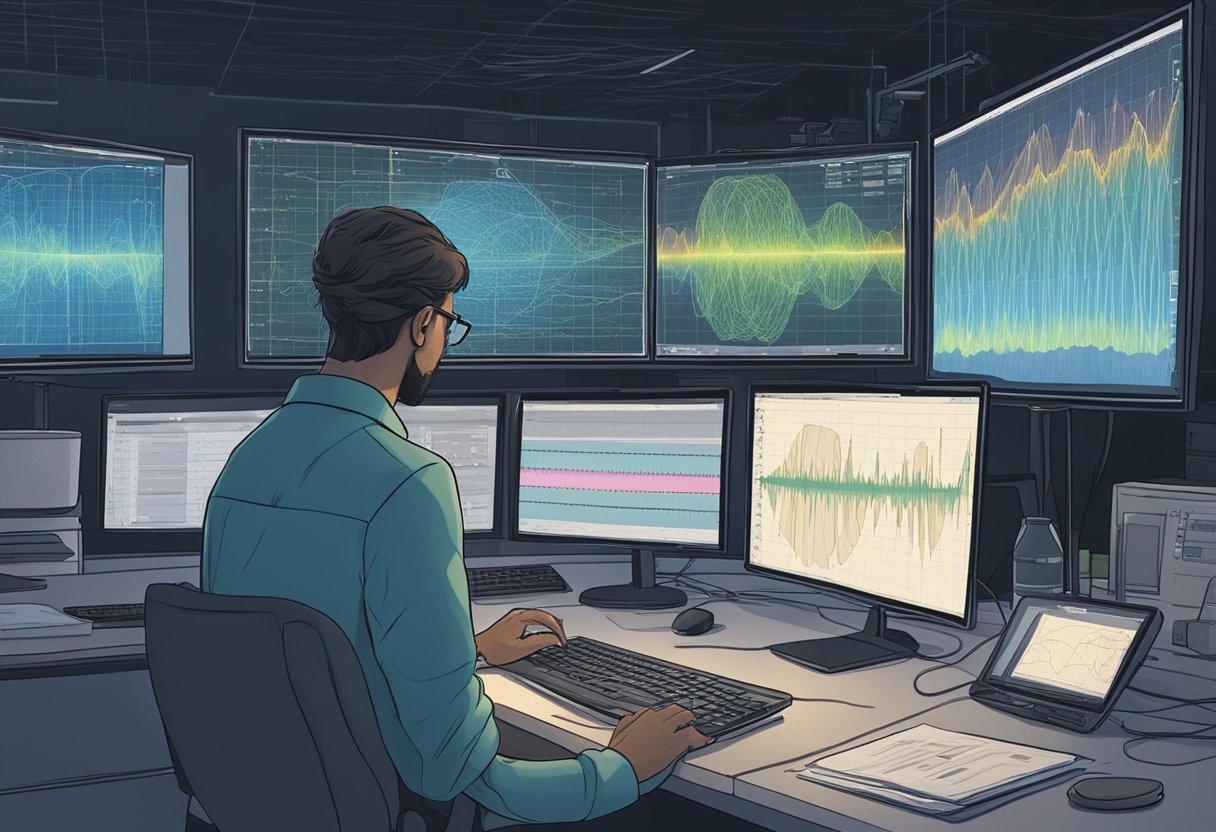
New studies are shedding light on how brain waves relate to connectivity and neurotransmitters. This research uses advanced imaging and chemical analysis to explore brain function.
Magnetic Resonance Imaging and Brain Connectivity
Brain wave frequencies play a key role in brain connectivity. Scientists use magnetic resonance imaging (MRI) to map these connections.
MRI scans show how different brain areas link up during various mental tasks. This helps researchers understand brainwave states better.
Recent work found that high-frequency gamma waves help process sensory info. Lower-frequency beta waves act more like a control system. These findings reveal how brain rhythms work together.
Neurotransmitters and Brain Wave Modulation
Neurotransmitters strongly affect brain wave patterns. These chemicals can change how neurons fire and connect.
Studies show that dopamine levels impact beta waves. More dopamine often means stronger beta activity. This links mood and focus to specific brain rhythms.
GABA, another key neurotransmitter, boosts alpha waves. Alpha waves relate to relaxation and creativity. By tracking GABA, scientists can better grasp how the brain shifts between active and calm states.
Interpreting Brain Waves for Enhanced Living
Brain waves can be used to improve mental states and emotional well-being. Different wave patterns relate to specific states of mind and consciousness. Understanding these patterns opens up ways to optimize brain function.
Biofeedback and Brainwave State Optimization
Biofeedback helps people learn to control their brain waves. This technique uses devices to measure brain activity in real-time. Users can see or hear their brain wave patterns and learn to change them.
With practice, people can shift into desired mental states. For example, they might increase alpha waves for relaxation. Or boost beta waves for focus and problem-solving.
Some benefits of brainwave optimization include:
- Better stress management
- Improved sleep quality
- Enhanced mental clarity
- Increased creativity
Biofeedback can help with various issues like anxiety, ADHD, and sleep disorders. It’s a non-invasive way to improve brain function.
Aiding Emotional Connection with Alpha Brainwaves
Alpha brainwaves are linked to a calm, alert state. They occur when we’re relaxed but awake. These waves can help create emotional bonds and empathy.
In alpha state, people often feel:
- More open to others
- Less anxious or defensive
- Better able to listen and understand
Techniques to increase alpha waves include:
- Mindfulness meditation
- Deep breathing exercises
- Gentle physical activities like yoga
Boosting alpha waves may improve relationships. It can lead to better communication and emotional awareness. This state allows for deeper connections with others.
Theta Brainwaves in Deepening Emotional Awareness
Theta brainwaves occur during deep relaxation and light sleep. They’re also present in meditation. These waves are linked to the subconscious mind and emotional processing.
Theta state can:
- Enhance intuition
- Boost creativity
- Aid in emotional healing
Activities that increase theta waves include:
- Guided imagery
- Hypnosis
- Certain types of meditation
In theta state, people often access buried emotions. This can lead to insights and personal growth. It’s a powerful state for working through emotional issues.
Theta waves may help with trauma recovery and stress reduction. They allow access to deeper levels of consciousness.
Brain Waves and Daily Dynamics
Brain waves play a key role in our daily lives. They affect how we work, think, and feel throughout the day. Different brain wave states can impact our focus, creativity, and energy levels.
Influence of Brainwaves on Productivity and Motivation
Beta waves are linked to high productivity and motivation. These waves are active when we’re alert and focused on tasks. The prefrontal cortex is especially active during beta states.
This brain area helps with working memory and decision-making. When beta waves are strong, people often feel more driven to complete tasks. They may find it easier to concentrate for long periods.
But too much beta activity can lead to stress. It’s important to balance beta states with relaxation. This helps prevent burnout and keeps motivation steady over time.
Visualization and Mental Activities in Alpha State
Alpha brainwaves occur when we’re relaxed but awake. This state is ideal for visualization and creative thinking. Many people enter alpha state when daydreaming or meditating.
In alpha state, the mind becomes more open to new ideas. It’s easier to picture goals and imagine solutions to problems. This can boost creativity in work and personal projects.
Alpha waves also help with learning. They allow the brain to process and store information more effectively. This makes alpha state great for studying or preparing for important tasks.
Enhancing Work Performance via Beta Waves
Beta waves can significantly improve work performance. These waves are associated with focus and logical thinking. They help people stay alert and process information quickly.
To boost beta waves, one can:
- Set clear, achievable goals
- Break tasks into smaller steps
- Use time management techniques
- Stay hydrated and well-rested
Beta waves work best for tasks that need concentration. They’re great for problem-solving, analysis, and decision-making. But it’s crucial to take breaks to avoid mental fatigue.
Balancing beta waves with other brain states is key. This helps maintain high performance without burning out.
Frequently Asked Questions
Brain waves reflect different mental states and cognitive processes. Understanding these waves can provide insights into how our minds function and ways to optimize mental performance.
What are the different types of brain waves?
Brain waves come in several types. Beta waves (12-30 Hz) relate to alertness and focus. Alpha waves (8-12 Hz) occur during relaxation. Theta waves (4-8 Hz) appear in deep meditation or light sleep.
Delta waves (0.5-4 Hz) happen in deep sleep. Gamma waves (above 30 Hz) link to intense concentration and complex problem-solving.
How do brain wave states relate to psychological processes?
Brain wave states closely connect to our mental activities. Beta waves typically occur when we’re actively thinking or problem-solving. Alpha waves emerge when we’re relaxed but awake.
Theta waves appear during daydreaming or light sleep. Delta waves dominate in deep, restorative sleep. Gamma waves may relate to peak cognitive performance.
What are the benefits of alpha, delta, and theta brain wave states?
Alpha waves can promote relaxation and reduce stress. They may help with creativity and mental clarity. Delta waves in deep sleep are crucial for physical restoration and hormone regulation.
Theta waves can enhance creativity and emotional connection. They may also aid in memory consolidation during sleep.
Can individuals intentionally alter their brain wave states, and if so, how?
People can influence their brain wave states through various techniques. Meditation and mindfulness practices can increase alpha and theta waves. Deep breathing exercises may boost alpha waves.
Getting proper sleep helps regulate delta waves. Engaging in challenging mental tasks can stimulate beta and gamma waves.
Which brain wave state is associated with optimal focus and flow?
The beta wave state is often linked to optimal focus and concentration. Low beta waves, also called sensorimotor rhythm (SMR), may enhance focus while reducing anxiety.
Gamma waves might also play a role in peak performance and “flow” states, where one is fully immersed in a task.
What indicators suggest a person is in a theta brain wave state?
A person in a theta brain wave state may appear deeply relaxed or in a light sleep. They might experience vivid imagery or creative ideas. Theta states often occur during meditation or just before falling asleep.
Physical signs can include slow breathing and reduced muscle tension. Emotionally, a person may feel calm and introspective.





Leave a comment