Meditation can change your life in amazing ways. It helps you relax, sleep better, and understand yourself more deeply.
Practicing meditation regularly can reduce stress, improve focus, and boost your overall well-being.

There are many types of meditation to explore.
You might try mindfulness meditation to stay present in the moment.
Or you could use mantra meditation by repeating a word or phrase.
Some people enjoy movement-based practices like tai chi.
Getting started with meditation is easy.
Find a quiet spot, sit comfortably, and focus on your breath.
When your mind wanders, gently bring your attention back.
Even a few minutes a day can make a big difference in how you feel.
Key Takeaways
- Regular meditation can reduce stress and improve your mental health
- There are many meditation styles to choose from, so you can find one that works for you
- Starting a meditation practice is simple and can be done in just a few minutes each day
Understanding Meditation
Meditation is an ancient practice that can help you find inner peace and improve your well-being. It comes in many forms and offers a wide range of benefits for your mind and body.
Historical Background
Meditation has roots in many cultures and religions. It started thousands of years ago in India. Ancient texts talk about meditation as a way to find spiritual growth.
Over time, it spread to other parts of Asia. Buddhist monks used it to reach enlightenment. In China and Japan, it became part of martial arts training.
In the 20th century, meditation came to the West. Scientists began to study its effects on health. Now, people all over the world use it for stress relief and personal growth.
Different Styles of Meditation
There are many ways to meditate. You can choose the style that works best for you.
Mindfulness meditation helps you focus on the present moment. You pay attention to your thoughts and feelings without judging them.
Mantra meditation uses a word or phrase that you repeat. This helps clear your mind of other thoughts.
In visualization meditation, you picture calming scenes or images in your mind.
Loving-kindness meditation focuses on sending good wishes to yourself and others.
Transcendental Meditation is a technique where you silently repeat a mantra given to you by a teacher.
Benefits of Meditation
Regular meditation can improve your life in many ways. It can reduce stress and help you relax. This can lead to better sleep and lower blood pressure.
Meditation can also boost your mood and help with anxiety and depression. It may improve your focus and memory too.
Some people find that meditation helps them manage pain. It can also increase self-awareness and help you understand your thoughts and feelings better.
Meditation practice may even change your brain. Studies show it can increase gray matter in areas linked to learning and memory.
By meditating regularly, you might find yourself feeling calmer and more centered in your daily life.
Preparing for Meditation
Getting ready for meditation helps you make the most of your practice. A calm space and good timing set you up for success.
Setting Up Your Space
Find a quiet spot where you won’t be disturbed. This could be a corner of your bedroom or a cozy nook in your living room. Make it comfy with a cushion or chair.
Dim the lights or use soft lamps to create a relaxing mood. You might like to light a candle or use an essential oil diffuser for a soothing scent.
Keep the area clutter-free. A tidy space helps your mind feel less cluttered too. Have a blanket nearby in case you get chilly during your session.
Finding the Right Time
Pick a time when you’re least likely to be interrupted. Many people find early morning works best. You’re fresh and the world is still quiet.
Try to meditate first thing after waking up. This helps you start your day on a calm note. If mornings don’t work, choose a time that fits your schedule.
Be consistent with your timing. Meditating at the same time each day makes it easier to form a habit. Start with just 5-10 minutes if you’re new to meditation.
Your body will start to expect and welcome this peaceful time in your day.
Executing Meditation Practices

Meditation can help you relax and focus your mind. Try these simple techniques to get started and then move on to more advanced methods as you gain experience.
Basic Meditation Techniques
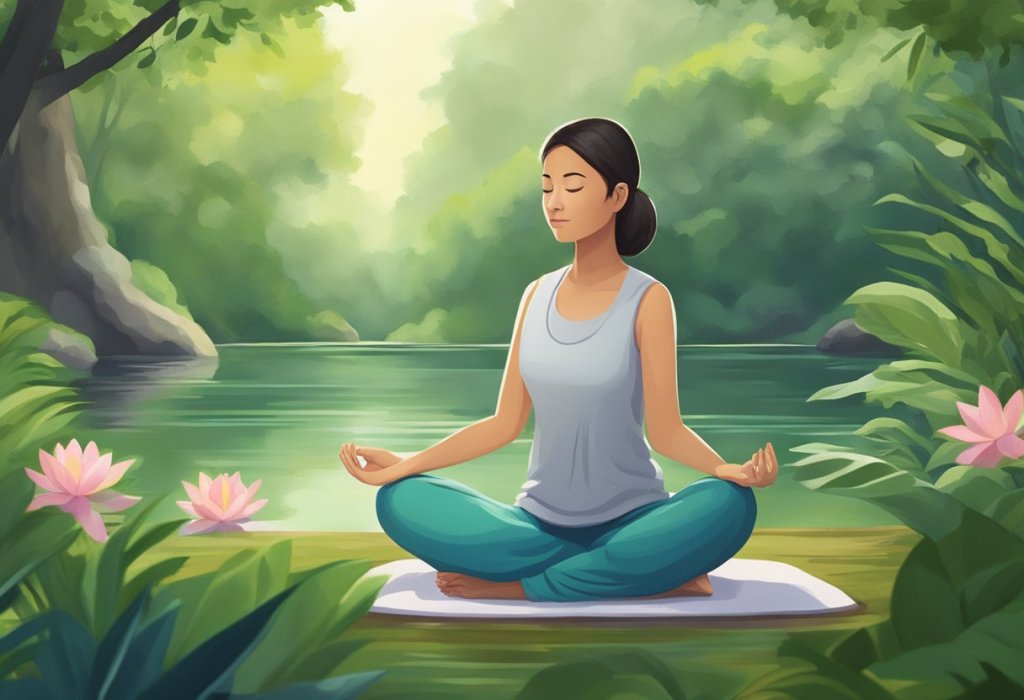
Find a quiet spot and sit comfortably. Close your eyes and take deep breaths. Focus on your breathing. When your mind wanders, gently bring it back to your breath. This is mindfulness meditation.
You can also try counting your breaths. Count each exhale up to 10, then start over. This helps you stay present.
Another easy technique is body scanning. Start at your toes and slowly move your attention up your body. Notice any sensations without judging them.
Guided meditations can be helpful for beginners. You can find many free ones online or use an app.
Advanced Techniques
Once you’re comfortable with basic methods, try these advanced practices:
Mantra meditation involves repeating a word or phrase. Choose something meaningful to you, like “peace” or “love”. Say it silently as you breathe.
Visualization is powerful. Picture a calm scene like a beach or forest. Use all your senses to make it vivid.
Try loving-kindness meditation. Send good wishes to yourself, loved ones, and even difficult people. This builds compassion.
Walking meditation combines mindfulness with movement. Focus on each step and your breath as you walk.
Cultivating Mindfulness and Compassion
Mindfulness and compassion work together to create a more balanced and fulfilling life. These practices can help you become more aware and caring towards yourself and others.
Mindfulness in Daily Life
Mindfulness is about being present in the moment. You can practice it anytime, anywhere.
Try focusing on your breath for a few minutes each day. Notice how it feels as you breathe in and out.
When eating, pay attention to the flavors and textures. Chew slowly and enjoy each bite. This helps you appreciate your food more.
During your daily tasks, notice the small details.
Feel the water on your hands as you wash dishes. Listen to the sounds around you as you walk.
Set reminders on your phone to check in with yourself. Ask:
- How do I feel right now?
- What am I thinking about?
- What sensations do I notice in my body?
The Role of Compassion
Compassion means caring about others and wanting to help. It starts with being kind to yourself. Treat yourself like you would a good friend.
When you make a mistake, don’t be too hard on yourself. Instead, say something supportive like “It’s okay, everyone makes mistakes.”
To build compassion for others, try a loving-kindness meditation.
Think of someone you care about and silently wish them well. You can use phrases like:
- “May you be happy”
- “May you be healthy”
- “May you be safe”
Gradually extend these wishes to other people, even those you don’t know well. This helps you feel more connected to everyone around you.
Enhancing Your Practice
Taking your meditation to the next level involves exploring new techniques and environments. You can deepen your practice through movement, community, and immersive experiences.
Incorporating Mindful Movement
Adding gentle motion to your meditation can boost focus and body awareness. Try walking meditation by slowly pacing while noticing each step. You can also do seated stretches or tai chi moves between sitting sessions.
Yoga pairs well with meditation. Start with simple poses like cat-cow or child’s pose. Focus on your breath and body sensations as you move.
For mantra meditation, try chanting while swaying or using hand gestures. This can help you stay present and energized.
Joining Meditation Groups
Meditating with others can motivate you and deepen your practice. Look for local meditation groups or classes at yoga studios, community centers, or places of worship.
Online groups are another great option. You can join live guided sessions or connect with meditators worldwide.
Group practice offers:
- Accountability
- Shared energy
- Q&A with experienced teachers
- New techniques to try
Don’t be shy about asking questions or sharing your experiences. Everyone is there to learn and grow.
Attending Retreats
Meditation retreats offer a chance to fully immerse yourself in practice. You’ll spend several days meditating in a peaceful setting, often in silence.
Retreats can range from weekend getaways to month-long intensives. Choose one that fits your experience level and goals.
During a retreat, you might:
- Practice for several hours daily
- Learn new meditation styles
- Enjoy nature walks
- Eat mindful meals
Spiritual meditation retreats may include teachings on Buddhist or Hindu philosophy. This can add depth to your practice.
Retreats help you break old habits and form new ones. The effects can last long after you return home.
The Science Behind Meditation
Studies show meditation can change your brain and body in positive ways. Scientists have found it may help with stress, focus, and more. New research keeps uncovering its effects.
Research Advancements
Neuroscience is revealing how meditation impacts your brain. Scientists use brain scans to see what happens when you meditate. They’ve found it can strengthen areas linked to memory and attention.
Researchers are also studying advanced meditation states. These deeper practices may change how you experience yourself. Some scientists think this could lead to big breakthroughs in understanding consciousness.
Studies keep growing in number and quality. Scientists are testing meditation for many health issues. They want to know exactly how and why it helps.
Understanding the Impacts on the Brain
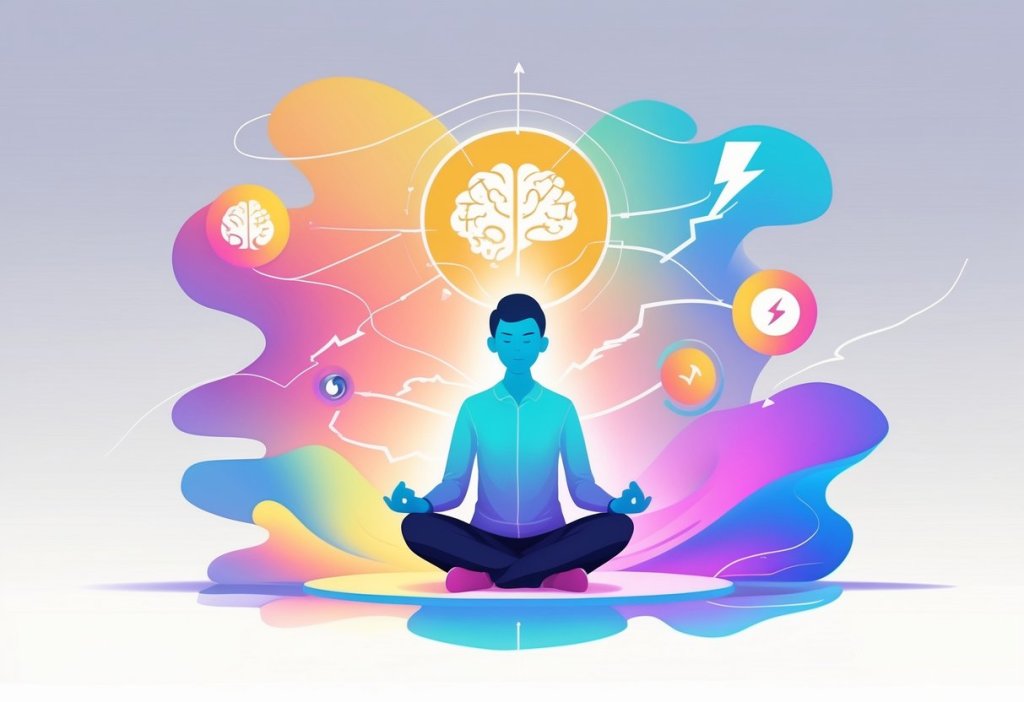
When you meditate, it can calm your nervous system. This may help reduce stress and anxiety. Your brain can actually change over time with regular practice.
Key brain areas that may benefit:
- Prefrontal cortex (focus and decision-making)
- Hippocampus (memory)
- Amygdala (emotions and stress)
Research suggests meditation might even slow brain aging. It could help keep your mind sharp as you get older. Scientists are excited about its potential for brain health.
Some studies show meditation may boost your immune system too. It might help you fight off illness better. More research is needed, but the results so far are promising.
Integrating Meditation with Health Management
Meditation can be a powerful tool for managing your health. It’s not just about relaxing – it can have real benefits for your body and mind.
Meditation as a Complementary Practice
You can use meditation alongside other health practices to boost your wellbeing. Mindfulness meditation may help reduce stress, which is linked to many health issues. Try setting aside 10-15 minutes each day for meditation.
Start with some simple breathing exercises. Sit comfortably and focus on your breath moving in and out. When your mind wanders, gently bring your attention back to your breathing.
You can also try a walking meditation. As you walk, pay attention to how your body feels with each step. Notice the sensation of your feet touching the ground.
The Mayo Clinic suggests meditation may help with:
- Lowering blood pressure
- Managing anxiety and depression
- Improving sleep
Remember, meditation isn’t a replacement for medical care. But it can be a great addition to your health routine. Talk to your doctor about how to best include meditation in your health plan.
Privacy and Meditation

Keeping your meditation practice private is important. You should be aware of how to protect your personal information when using digital platforms or sharing health data.
Navigating Digital Meditation Platforms
When using meditation apps or online classes, be careful about what info you share. Check the privacy settings and read the terms of service. Many apps ask for your email or location. You can often opt out of these requests.
Don’t feel pressured to create an account if you’re not comfortable. Some platforms let you use basic features without signing up. If you do make an account, use a strong password.
Be mindful of in-app purchases and subscriptions. Make sure you know what you’re agreeing to before entering payment info.
Protecting Personal Health Information
Your meditation practice might involve sensitive health data. Be careful about sharing this info, even with trusted teachers or groups.
If you track your progress or symptoms, use a private journal or secure app. Don’t leave paper records where others can see them.
Be cautious when discussing your practice in public spaces or online forums. You never know who might be listening or reading.
If you see a meditation teacher one-on-one, ask about their privacy rules. Make sure they keep your info confidential, just like a doctor would.
Frequently Asked Questions
Meditation offers many ways to start, various practices to explore, and methods to integrate into daily life. It can help manage anxiety, provide spiritual growth, and bring numerous benefits to your well-being.
What are the best ways to start meditating for beginners?
Start with short sessions of 5-10 minutes. Find a quiet spot and sit comfortably. Focus on your breath, noticing how it flows in and out. When your mind wanders, gently bring it back to your breath.
Try guided meditations to help you stay focused. These often use calming voice instructions to direct your attention.
Set a regular time each day for your practice. This helps build a habit and makes it easier to stick with it.
Can you describe various types of meditation practices?
Mindfulness meditation involves paying attention to the present moment without judgment. You focus on your breath, bodily sensations, or surroundings.
Loving-kindness meditation aims to cultivate feelings of compassion for yourself and others. You repeat positive phrases or visualize sending love to people.
Transcendental meditation uses a mantra, a word or phrase you repeat silently. This helps quiet your mind and reach a state of deep relaxation.
Body scan meditation involves mentally scanning your body from head to toe. You notice any sensations or areas of tension, then let them go.
How can I integrate mindfulness meditation into my daily routine?
Start your day with a short meditation. Even 5 minutes can set a positive tone for the day ahead.
Practice mindful eating by paying full attention to your meals. Notice the flavors, textures, and smells of your food.
Take “mindful breaks” during work. Spend a few minutes focusing on your breath or doing a quick body scan.
End your day with a short meditation. This can help you unwind and prepare for restful sleep.
What steps can I follow to practice spiritual meditation?
Find a quiet, comfortable space where you won’t be disturbed. Sit in a relaxed position with your spine straight.
Set an intention for your practice. This might be connecting with your inner self or a higher power.
Focus on your breath or a meaningful phrase or image. Let thoughts pass without engaging them.
Open your awareness to any spiritual insights or feelings that arise. Don’t force anything, just remain open and receptive.
End your session by expressing gratitude for the experience.
What are the benefits of incorporating meditation into my life?
Meditation can reduce stress and anxiety. It helps calm your mind and relax your body.
It may improve focus and concentration. Regular practice can train your mind to stay present and avoid distractions.
Meditation can boost emotional well-being. It may help you manage difficult emotions and increase positive feelings.
It may enhance self-awareness. Through meditation, you can gain insights into your thoughts and behaviors.
Some studies suggest meditation might lower blood pressure and improve sleep quality.
How can meditation be used to manage anxiety effectively?
Practice deep breathing exercises. Slow, controlled breaths can help calm your nervous system when anxiety strikes.
Use body scan meditation to release physical tension. This can help break the cycle of anxiety in your body.
Try mindfulness meditation to observe anxious thoughts without judgment. This can reduce their power over you.
Use loving-kindness meditation to cultivate self-compassion. This can be especially helpful when anxiety leads to self-criticism.
Establish a regular meditation practice. Consistent meditation can help build resilience to anxiety over time.




Leave a comment