Young people in China are turning to artificial intelligence for emotional support and mental health assistance in unprecedented numbers. Chinese youth are embracing AI therapy as a free, accessible alternative to traditional counseling, with millions finding comfort in late-night conversations with AI chatbots. On social media platforms, searches for “crying after chatting with AI” are linked to over 1 million posts, showing how widespread this digital therapy trend has become.

The appeal is clear when you consider the barriers to traditional mental healthcare in China. Therapy sessions can cost between $56 to $112 per hour in cities like Beijing, making professional help unaffordable for many young people facing high unemployment rates. AI chatbots like DeepSeek offer 24/7 availability, complete privacy, and no judgment – addressing the stigma that still surrounds mental health in Chinese society.
However, this shift toward digital emotional support raises important questions about the effectiveness and safety of AI therapy. While these tools provide immediate relief for loneliness and anxiety, experts warn about potential risks and the importance of human connection in mental health recovery.
Key Takeaways
- Chinese youth are increasingly using AI chatbots for mental health support due to high costs and limited access to traditional therapy
- AI therapy offers benefits like 24/7 availability, privacy, and affordability but comes with risks including inappropriate responses to serious mental health issues
- The trend reflects both growing mental health awareness and the need for better regulation of AI-based emotional support tools
Rise of AI Therapy Among Chinese Youth
Young Chinese are increasingly turning to AI chatbots like DeepSeek for mental health support, driven by affordability, accessibility, and reduced stigma. This digital shift addresses widespread loneliness and provides 24/7 emotional companionship when traditional therapy options remain limited.
Factors Driving Adoption of AI Therapy
Economic pressures make traditional therapy unaffordable for most young Chinese. Therapy sessions in Beijing cost between 400-800 yuan ($56-112) per hour, prohibitively expensive when youth unemployment rates have soared.
Key adoption factors include:
- Cost: AI therapy is completely free compared to expensive professional sessions
- Accessibility: Nearly 80% of general hospitals in China lack psychiatric departments
- Stigma reduction: Mental health stigma persists in Chinese society, making anonymous AI chat appealing
- Availability: 24/7 access without appointment scheduling difficulties
Geographic disparities worsen access issues. Shanghai has 12 times more therapists per 100,000 people than rural regions like Ningxia. AI chatbots help bridge this gap by providing consistent support regardless of location.
Young Chinese describe AI therapy as a “consumption downgrade” – replacing unaffordable human therapists with free digital alternatives. This economic reality drives widespread adoption among financially stressed youth.
Generative AI Chatbots and Mental Health
DeepSeek and other generative AI chatbots have become primary mental health tools for Chinese youth. Nearly half of young Chinese surveyed had used AI chatbots to discuss mental health, according to research by Soul platform and Shanghai Mental Health Center.
Popular AI therapy platforms include:
- DeepSeek: Most widely used general-purpose AI for emotional support
- ByteDance’s Doubao: Major competitor offering similar counseling features
- PsychSnail: Specialized mental health AI with crisis detection
- Good Mood AI Companion: Dedicated therapeutic chatbot
Mental health assistance ranks as one of the leading reasons for global chatbot use, according to Harvard Business Review research. Chinese users customize these AI models to sound like favorite inspirational speakers or psychologists.
The technology provides instant responses, wide-ranging insights, and personalized communication styles. Users can vent feelings without judgment or time constraints that traditional therapy imposes.
Prevalence of Midnight Loneliness Relief
Late-night emotional crises drive significant AI chatbot usage among Chinese youth. Searches for “crying after chatting with AI” link to over 1 million posts on Xiaohongshu, China’s popular social media platform.
Midnight loneliness peaks when professional help isn’t available. Young people turn to AI during vulnerable nighttime hours for immediate emotional relief. These conversations often become deeply personal therapy sessions.
Common midnight AI therapy scenarios:
- Processing relationship breakups and dating anxiety
- Managing work-related stress and career uncertainty
- Dealing with family conflicts and social pressures
- Addressing depression and suicidal thoughts
One viral post described a user venting to DeepSeek late at night, weeping from the AI’s advice and declaring it her “best electronic friend”. This emotional connection highlights how AI fills gaps in human support networks.
The 24/7 availability eliminates barriers that prevent seeking help during crisis moments when traditional services are closed.
Digital Companionship for Young People
AI chatbots provide consistent emotional companionship that many young Chinese lack in their social lives. Mental illness rates are rising among Chinese youth, creating demand for reliable support systems that AI can partially fulfill.
Users describe AI chatbots as providing support that replaces what they “used to get from friends”. This dependency raises concerns about isolation and reduced human connection.
Digital companionship benefits:
- Non-judgmental listening without social pressure
- Consistent availability regardless of time or mood
- Customizable personality traits and communication styles
- Privacy protection in stigma-sensitive conversations
However, users recognize risks of over-reliance. One Xiaohongshu user worried: “What if one day, AI went offline — wouldn’t I then lose the most important person that I confide in?”
This growing dependency on digital companionship reflects broader social isolation issues. While AI provides immediate comfort, it may discourage building real human relationships and support networks that offer deeper emotional fulfillment.
AI Chat-Based Emotional Support: User Experiences and Technology
AI chatbots provide 24/7 emotional support through advanced conversation technology, with platforms like DeepSeek offering personalized responses that help users process feelings and reduce anxiety. These digital tools combine generative AI capabilities with accessible interfaces to deliver mental health support when traditional therapy isn’t available.
DeepSeek and Chinese AI Conversational Tools
DeepSeek stands out among Chinese AI platforms for its unique ability to show users its “thought process” before responding. This transparency helps build trust between you and the artificial intelligence system.
The platform uses generative AI chatbot technology trained on massive datasets. This allows it to recognize emotional patterns and provide relevant support for your specific situations.
Unlike blocked Western alternatives like ChatGPT, DeepSeek operates freely within China’s internet restrictions. You can access comprehensive emotional support without needing VPN services or workarounds.
Key Features of DeepSeek:
- Visible reasoning process before responses
- Literary and creative content generation
- Emotional pattern recognition
- 24/7 availability in Chinese language
Other Chinese AI chatbots from Alibaba, Baidu, and ByteDance offer basic conversational support. However, users report that DeepSeek outperforms these alternatives in generating meaningful emotional responses.
The platform has become particularly popular for processing grief, work stress, and relationship concerns. Many users describe feeling truly heard by the AI system in ways that human interactions sometimes fail to provide.
AI Chat Comfort at Night
Nighttime represents peak usage hours for AI-based emotional support platforms. You can access these chatbots when loneliness and anxiety often feel most intense.
DeepSeek users frequently engage in what they call “therapy sessions” before bedtime. The platform provides consistent emotional availability during vulnerable late-night hours when professional help isn’t accessible.
Common Nighttime AI Chat Uses:
- Processing daily stress and emotions
- Working through grief and loss
- Managing work-related burnout
- Addressing relationship concerns
- Coping with existential questions
The AI responds immediately to your emotional needs without judgment or time constraints. This instant availability proves especially valuable for managing acute anxiety episodes or sudden emotional overwhelm.
Many users report that AI chatbots help them feel heard in ways that friends and family sometimes cannot. The chatbots listen without interrupting or rushing to offer quick solutions.
Technology for Stress and Anxiety Relief
AI in mental health relies on pattern recognition algorithms to identify emotional states and respond appropriately. These systems analyze your language patterns to detect stress, anxiety, and other mental health indicators.
Generative AI chatbot technology enables personalized responses based on your specific concerns and communication style. The AI adapts its tone and approach to match your emotional needs in real-time.
Technical Capabilities:
- Emotional pattern analysis
- Personalized response generation
- Stress level assessment
- Anxiety coping strategies
- Crisis intervention protocols
The technology shows particular strength in providing cognitive behavioral therapy techniques. You receive structured frameworks for managing anxious thoughts and developing healthy coping mechanisms.
Research indicates that AI-based mental health tools may enhance well-being by facilitating symptom management and strengthening emotional self-regulation. However, these tools work best as supplements to professional help rather than replacements.
Personalized Digital Conversation Support
AI chatbots create tailored conversation experiences by learning from your previous interactions and expressed preferences. This personalization helps the artificial intelligence provide increasingly relevant emotional support over time.
The systems remember your ongoing concerns and can reference previous conversations. This continuity creates a sense of digital companionship that many users find comforting and therapeutic.
Personalization Features:
- Conversation history integration
- Individual communication style adaptation
- Specific concern tracking
- Customized coping strategy suggestions
- Progress monitoring capabilities
Your interactions with AI chatbots remain private and confidential within the platform’s security parameters. This privacy encourages more open emotional expression than you might feel comfortable sharing with human contacts.
The AI provides consistent emotional validation and support without the social complications of human relationships. You can explore difficult emotions without worrying about burdening others or facing judgment about your mental health struggles.
However, experts emphasize that those with serious mental health conditions should not rely solely on these platforms and should seek professional help when needed.
Mental Health Impact and Alternatives to Traditional Therapy
Young people in China face limited access to professional mental health services due to high costs and social stigma. AI-powered tools and digital platforms now offer alternative ways to address anxiety, burnout, and emotional support needs.
Online Mental Wellness Tools
Digital mental health platforms have grown rapidly in China as traditional therapy remains expensive and hard to access. AI chatbots for mental health support can provide immediate emotional assistance when you need it most.
Apps like DeepSeek offer generative AI conversations that help you process difficult emotions. The technology responds to your specific concerns rather than giving generic advice.
Key features of these tools include:
- 24/7 availability for crisis moments
- Personalized responses based on your input
- No waiting lists or appointment scheduling
- Lower cost than traditional therapy sessions
Many platforms use cognitive behavioral therapy techniques. They guide you through thought patterns and coping strategies that mental health professionals typically teach.
Accessibility Versus Professional Human Help
Cost barriers make traditional therapy unreachable for many young people in China. Professional mental health services often charge rates that exceed monthly income for students and entry-level workers.
AI therapy tools are becoming more sophisticated but cannot replace human therapists for serious conditions. You should still seek professional help for major depression, trauma, or thoughts of self-harm.
Digital tools work best as supplements to human care. They provide support between therapy sessions or help you decide if professional treatment is needed.
Limitations of AI therapy:
- Cannot diagnose mental health conditions
- Lacks human empathy and understanding
- May miss complex emotional nuances
- Cannot provide crisis intervention
The American Psychological Association warns that AI tools lack sufficient research to ensure user safety for serious mental health issues.
Coping With Anxiety and Youth Burnout
Youth burnout in China stems from intense work pressure, economic uncertainty, and limited career prospects. Anxiety often peaks during late-night hours when professional help is unavailable.
Chinese young people are embracing AI therapy to manage daily stress and overwhelming feelings. These tools help you identify anxiety triggers and practice relaxation techniques.
Digital platforms teach breathing exercises, mindfulness practices, and thought restructuring methods. You can access these coping strategies immediately when anxiety strikes.
Common techniques offered:
- Progressive muscle relaxation
- Guided meditation sessions
- Journaling prompts for self-reflection
- Sleep hygiene recommendations
Many users report that AI conversations help them organize their thoughts. The process of explaining your feelings to a chatbot can clarify what you’re experiencing.
Private and Discreet Therapy Alternatives
Mental health stigma in Chinese culture makes many young people reluctant to seek traditional therapy. Family expectations and workplace concerns prevent open discussions about emotional struggles.
AI platforms offer complete privacy without judgment from human therapists. You can explore sensitive topics without fear of social consequences or family disappointment.
DeepSeek users find emotional support through anonymous conversations that feel safer than face-to-face therapy. The technology creates a judgment-free space for honest self-expression.
Privacy benefits include:
- No personal information shared with humans
- Conversations stored securely on your device
- No insurance records or medical documentation
- Complete control over your mental health data
Digital alternatives work especially well for social anxiety, relationship concerns, and work stress. These common issues often don’t require intensive professional intervention but benefit from regular emotional processing.
Challenges, Limitations, and Future Trends in AI Emotional Healing
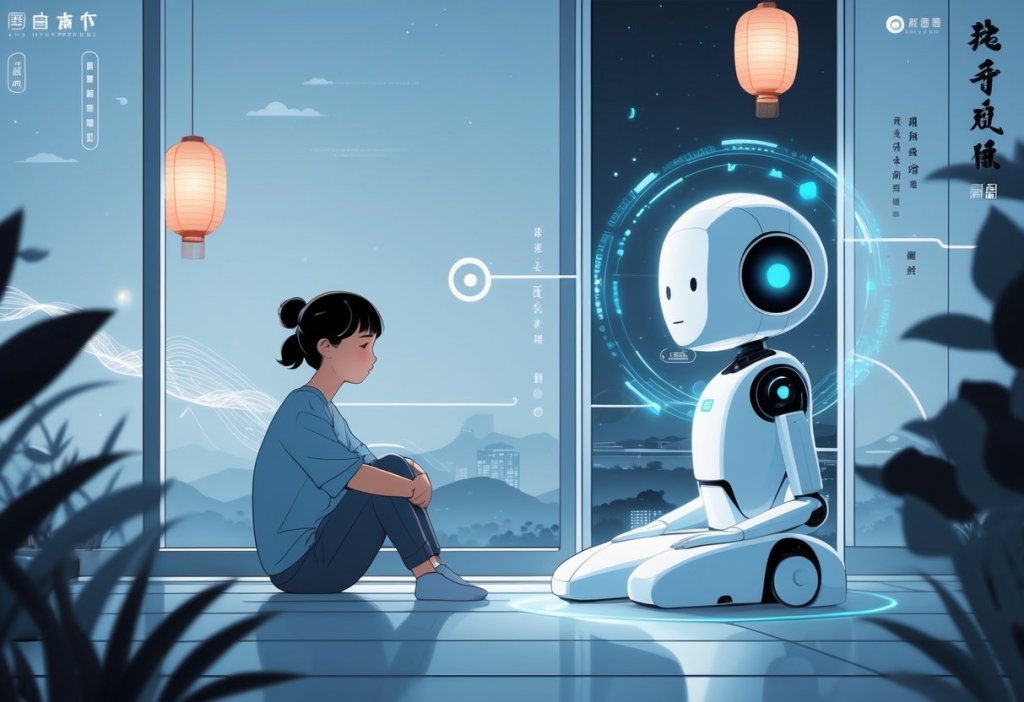
AI emotional support tools face significant barriers in effectiveness, safety, and regulation. These technologies struggle with complex mental health conditions while raising concerns about data privacy and the replacement of human therapeutic relationships.
Limitations of AI in Mental Health Support
Current AI therapy tools cannot match the depth of human understanding needed for serious mental health conditions. AI therapy chatbots may fall short of human care and risk offering inappropriate responses during crisis situations.
Key limitations include:
- Crisis recognition: AI cannot properly identify when you need emergency mental health intervention
- Complex conditions: Generative AI struggles with conditions like bipolar disorder or severe depression
- Cultural context: Most AI systems lack understanding of Chinese cultural values around mental health stigma
Algorithmic bias and data privacy risks create additional safety concerns. AI tools may reinforce existing mental health stigma rather than reducing it.
The technology works better for mild stress relief than serious therapeutic needs. You should view AI as a supplement, not replacement, for professional mental health care.
Balancing AI Tools and Human Therapists
The ideal approach combines AI convenience with human expertise for comprehensive mental health support. Nearly 50 percent of individuals who could benefit from therapy cannot access it, making AI tools valuable for initial support.
Effective integration strategies:
- Use AI for immediate comfort during late-night anxiety episodes
- Schedule regular sessions with licensed therapists for ongoing treatment
- Apply AI tools for daily mood tracking and coping skill practice
AI excels at providing 24/7 availability when therapists are unavailable. However, human therapists offer irreplaceable empathy and clinical judgment for complex mental health issues.
In China’s healthcare system, AI can help bridge gaps in mental health services while you wait for professional appointments. The technology should enhance rather than replace traditional therapeutic relationships.
Ethics, Privacy, and Censorship Concerns
Data privacy represents a major risk when using AI emotional support tools in China. Your personal mental health conversations may be stored, analyzed, or shared without clear consent protocols.
Primary ethical concerns:
- Data collection: Apps may record intimate details about your mental state
- Government oversight: Chinese AI platforms face potential content monitoring requirements
- Consent issues: Users rarely understand how their emotional data gets used
APA warns that generative AI chatbots lack sufficient regulation to ensure user safety. This creates particular challenges in China’s regulated digital environment.
Censorship may limit AI tools’ ability to discuss sensitive topics related to your mental health. Political or social stressors might be filtered out of AI responses.
You should carefully review privacy policies before sharing personal information with any AI mental health platform. Consider using apps with strong encryption and limited data retention policies.
Frequently Asked Questions
AI therapy platforms in China offer various emotional support services that help young people cope with mental health challenges. These digital tools provide accessible alternatives to traditional therapy through advanced conversation capabilities and personalized responses.
What services do AI therapy platforms offer for mental health support in China?
AI therapy platforms in China provide conversational therapy sessions where you can discuss personal problems and receive emotional guidance. DeepSeek’s R1 model shows you its thought process before responding, helping you understand how it analyzes your situation.
You can access grief counseling support when dealing with loss or family issues. The platforms offer personalized advice based on your specific circumstances and emotional state.
Many apps provide mood tracking features and daily check-ins to monitor your mental wellness over time. You can also receive coping strategies for dealing with work stress and relationship problems.
How can AI provide emotional support to Chinese youth experiencing loneliness at night?
Young Chinese users turn to AI chatbots for late-night conversations when human support isn’t available. These platforms offer 24/7 access to emotional companionship without judgment or time restrictions.
AI responds with empathetic language that helps you feel heard and understood. The technology can engage in deep conversations about your feelings and provide comfort during difficult moments.
You can share your thoughts freely without worrying about social stigma or burdening friends and family. The AI maintains consistent emotional availability regardless of the time of day.
What are the current technological advancements in China for stress relief and emotional healing using AI?
DeepSeek’s R1 model represents a major breakthrough by allowing users to see the AI’s reasoning process before it delivers responses. This transparency helps you understand how the AI analyzes your emotional state.
Advanced natural language processing enables these platforms to generate creative and literary content that resonates emotionally. The technology can write personalized tributes, poems, and reflective pieces tailored to your experiences.
Machine learning algorithms analyze your conversation patterns to provide increasingly personalized emotional support. The systems adapt their communication style to match your preferences and needs.
In what ways do online mental wellness tools in China differ from traditional therapy?
Online AI tools provide immediate accessibility without the high costs associated with professional counseling services. You don’t need to schedule appointments or wait for availability.
These platforms remove social stigma barriers that prevent many young Chinese from seeking traditional mental health services. You can maintain complete anonymity while receiving support.
AI tools focus primarily on emotional validation and listening rather than clinical diagnosis or treatment. Traditional therapy involves trained professionals who can address serious mental health conditions that AI cannot handle.
How effective are digital companionship and AI conversation support in combating modern loneliness amongst Chinese youth?
Research suggests AI chatbots help people feel heard in ways that human interactions sometimes cannot provide. The technology offers consistent availability and patient listening without interruption.
Users report that AI provides comprehensive step-by-step frameworks for addressing personal challenges. You receive detailed guidance on decision-making and problem-solving approaches.
Many young Chinese find AI therapy emotionally moving, with some users reporting tearful responses to particularly insightful advice. The technology offers perspectives that help you view problems differently.
What alternative solutions do AI applications offer for coping with anxiety and burnout among young adults in China?
AI platforms provide practical stress management techniques tailored to your work and life situations. You can receive customized relaxation strategies and anxiety reduction methods based on your specific triggers.
Some users report using DeepSeek for fortune-telling features, which helps alleviate fears about future uncertainty. The AI analyzes background information to provide guidance about potential outcomes.
These applications offer cognitive reframing exercises that help you challenge negative thought patterns. You can practice new perspectives on work pressure and life challenges through guided conversations.
The technology provides burnout prevention strategies by helping you recognize warning signs and develop healthy boundaries. You receive support for managing workplace stress and career-related anxiety.




Leave a comment