Khechari Mudra is a powerful yoga practice that may bring positive changes to your life. This ancient technique involves moving your tongue in specific ways to activate energy centers in your body. By learning to use your tongue with Khechari Mudra, you might notice improvements in your overall well-being and even experience unexpected good fortune.

Some people claim Khechari Mudra can attract luck and abundance. While these claims are hard to prove, the practice does offer real benefits for your physical and mental health. It may help reduce stress, improve focus, and boost your mood. As for attracting parking spots? That’s probably just coincidence, but feeling more relaxed and positive could make you notice available spaces more easily.
Key Takeaways
- Khechari Mudra is a yoga technique that uses tongue movements to activate energy centers
- Regular practice may improve your physical and mental well-being
- You can learn basic Khechari Mudra steps to start experiencing its benefits
Exploring the Khechari Mudra
Khechari Mudra is a powerful yogic practice that involves positioning the tongue in a specific way. It’s believed to have profound effects on the mind and body.
What Is Khechari Mudra?
Khechari Mudra, also known as the tongue lock, is an advanced yogic technique. You perform it by folding your tongue back and touching the soft palate or even reaching into the nasal cavity.
In Sanskrit, “khe” means sky or void, and “chari” means to move or wander. This mudra is thought to help you explore higher states of consciousness.
To practice Khechari Mudra, you need a flexible, elongated tongue. Some yogic texts suggest specific exercises to lengthen the tongue over time.
Historical Background of Khechari Mudra
Khechari Mudra has roots in ancient yogic texts. The Hatha Yoga Pradipika, a classic manual on Hatha Yoga, mentions this practice.
It’s been part of various yoga traditions for centuries. Different schools, like Raja Yoga and Hatha Yoga, have their own approaches to this mudra.
In some traditions, advanced practitioners would cut the frenum (the tissue under the tongue) to extend their tongue further. However, modern yoga doesn’t recommend this extreme measure.
The Yogic Philosophy Behind Khechari Mudra
Yogic philosophy sees Khechari Mudra as a way to activate Kundalini Shakti, the dormant spiritual energy at the base of the spine.
This mudra is believed to stimulate important energy centers in the head. You might experience a sweet taste during practice, which some yogis interpret as “nectar of immortality.”
Raja Yoga practitioners view Khechari Mudra as a tool for deep meditation. It’s thought to help calm the mind and promote inner stillness.
Remember, Khechari Mudra is an advanced practice. Always learn from a qualified teacher to avoid potential discomfort or injury.
Physical and Mental Health Benefits

Khechari Mudra offers many benefits for your body and mind. It can boost your health in several ways by working with key glands and systems.
Stimulation of the Pituitary Gland
Khechari Mudra may stimulate your pituitary gland. This small gland in your brain plays a big role in your body. It makes hormones that control growth, stress, and more.
When you do this mudra, you put your tongue in a special position. This can send signals to your pituitary gland. As a result, it may work better.
Some believe this can help balance your hormones. It might even boost growth hormone levels. This could help you feel younger and more energetic.
Enhancing Salivary and Hormonal Secretions
Khechari Mudra can increase saliva in your mouth. More saliva helps keep your mouth clean and healthy. It also aids in digestion.
The practice may also boost other important fluids in your body. These include hormones that keep you feeling good. Some people think it can raise dopamine levels.
Dopamine is a feel-good chemical in your brain. More dopamine can lift your mood and increase motivation. This might help you feel more positive and ready to take on tasks.
Strengthening the Nervous System
Regular practice of Khechari Mudra may strengthen your nervous system. Your nervous system controls many body functions. A strong nervous system can help you stay calm and handle stress better.
The mudra may also improve how energy flows in your body. Some call this energy “prana”. Better energy flow could make you feel more alive and balanced.
By working with your tongue, you stimulate nerves in your mouth and face. This can have a positive effect on your whole nervous system.
Promoting Mental Clarity and Focus
Khechari Mudra might help clear your mind and boost your focus. When you do this practice, you need to concentrate. This act of focusing can train your brain to pay attention better.
Many people find that it calms their thoughts. A calm mind can think more clearly. You might find it easier to solve problems or make decisions.
Some say it raises their awareness. You may notice more about yourself and your surroundings. This can help you stay present in the moment.
How to Practice Khechari Mudra
Khechari mudra is a powerful yoga technique that involves positioning the tongue in a specific way. It can be practiced safely with proper preparation and guidance. Here are the key steps and considerations for practicing this mudra effectively.
Preparatory Techniques
Start with talabya kriya, a gentle exercise to stretch the tongue. Stick your tongue out and try to touch your chin. Hold for a few seconds, then relax. Repeat 10-15 times daily.
Massage your tongue regularly. This helps increase flexibility and blood flow. Use clean hands to gently rub and stretch your tongue in all directions.
Practice tongue exercises. Roll your tongue, move it side to side, and try to touch different parts of your mouth. This builds tongue strength and control.
Be patient. It may take weeks or months to prepare your tongue fully. Don’t rush or force the process.
Step-by-Step Instructions
- Sit in a comfortable position, like padmasana (lotus pose) or any cross-legged pose.
- Close your eyes and relax your face and jaw.
- Curl your tongue back towards your soft palate.
- Gently push the tip of your tongue up and back, aiming for the nasal cavity.
- If possible, try to touch the uvula with your tongue tip.
- Hold this position for as long as comfortable.
- To release, slowly bring your tongue back to its normal position.
Start slowly and don’t strain. If you feel pain or discomfort, stop and consult a yoga teacher.
Duration and Frequency
Begin with short sessions of 30 seconds to 1 minute. Gradually increase duration as you get more comfortable.
Practice 2-3 times daily for best results. Many yogis do khechari mudra during meditation or pranayama.
Listen to your body. If you feel strain or fatigue, reduce frequency or duration.
Some advanced practitioners hold the mudra for hours, but this isn’t necessary for benefits.
Combining with Other Practices
Khechari mudra pairs well with meditation. It can help deepen focus and calm the mind.
Try it during pranayama exercises. It may enhance breath control and energy flow.
Use with other mudras like chin mudra or jnana mudra for a more complete practice.
Combine with mantras or affirmations to boost your spiritual practice.
Remember to always practice safely and within your limits. If you have any health concerns, consult a doctor before trying khechari mudra.
Frequently Asked Questions
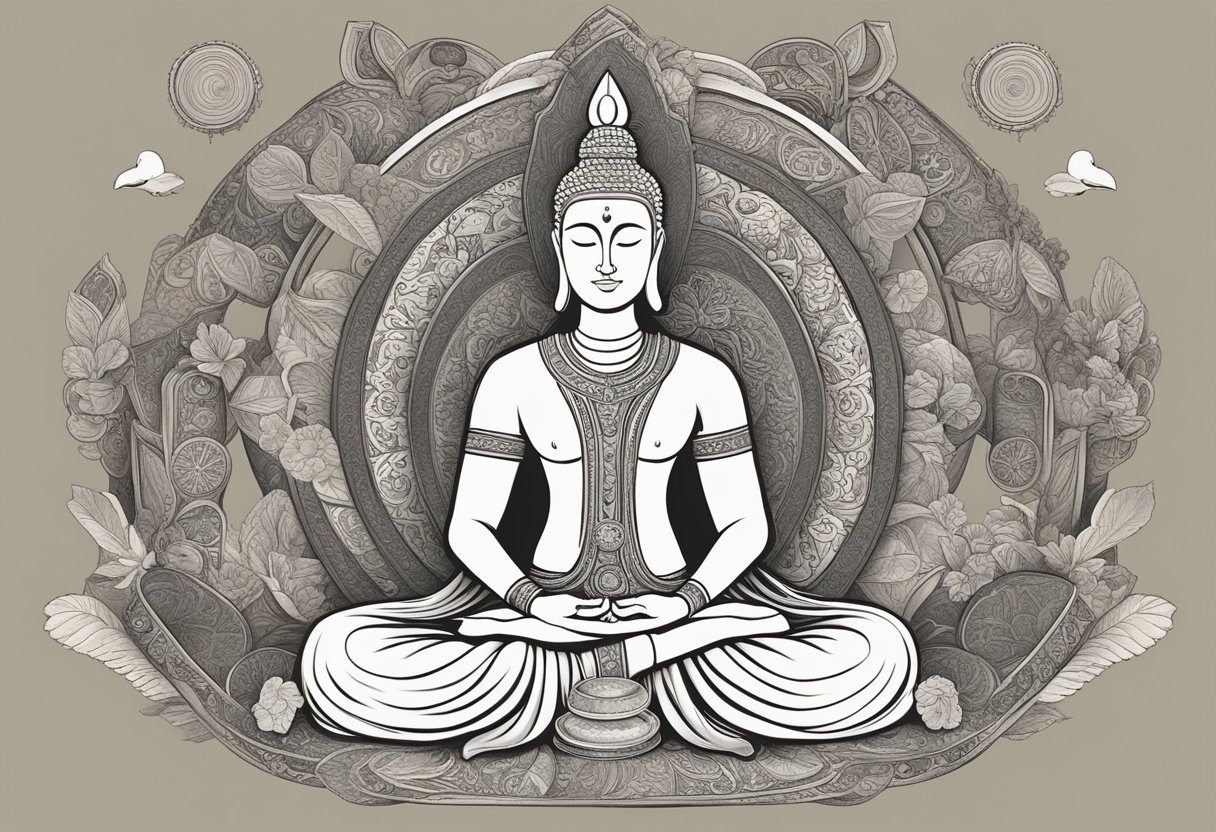
Khechari Mudra is a powerful yoga practice that involves positioning the tongue in specific ways. Many people have questions about its benefits, effects, and proper technique. Let’s address some common inquiries.
What benefits can be expected from practicing Khechari Mudra consistently?
Regular practice of Khechari Mudra may stimulate pressure points in the mouth and nasal cavity. This can influence the whole body. It may also massage certain glands, potentially boosting their function.
Some practitioners report feeling more calm and focused. Others say it helps with stress relief and meditation. While results can vary, many find it a valuable addition to their yoga routine.
Are there any specific side effects associated with the practice of Khechari Mudra?
Most side effects are minor and temporary. You might feel some discomfort in your tongue at first. This usually goes away as you get used to the practice.
Some people report increased saliva production. Others may experience a dry mouth. Staying hydrated can help with these issues.
Can engaging in Khechari Mudra pose any potential dangers?
When done correctly, Khechari Mudra is generally safe. But there are some risks to be aware of. Pushing too hard or too fast can hurt your tongue or the tissues in your mouth.
Proper oral hygiene is crucial. Without it, you might be at risk for infections. Always clean your mouth and tongue before and after practice.
How is Khechari Mudra correctly performed?
Start by sitting in a comfortable position. Relax your jaw and open your mouth slightly. Curl your tongue back towards the soft palate at the roof of your mouth.
Try to touch the uvula with the tip of your tongue. If you can’t reach it at first, that’s okay. With practice, your tongue will become more flexible.
What are the advanced stages of Khechari Mudra practice and how can they be achieved?
Advanced practitioners aim to insert the tongue into the nasal cavity. This takes time and dedicated practice to achieve. It’s not recommended for beginners.
Some traditions suggest specific techniques to lengthen the tongue. These should only be attempted under expert guidance. Never force your tongue or cause pain.
What precautions should one take when beginning to practice Khechari Mudra?
Start slowly and be gentle with your tongue. Don’t push past your comfort level. If you feel pain, stop immediately.
Make sure your hands are clean before touching your mouth. Keep your tongue clean to avoid infections. If you have any mouth sores or dental issues, wait until they heal before practicing.





Leave a comment