Feng shui is an ancient Chinese practice that can transform your living and working spaces. It’s about more than just rearranging furniture.
Feng shui promotes harmony and balance, which can boost your mood and energy levels.
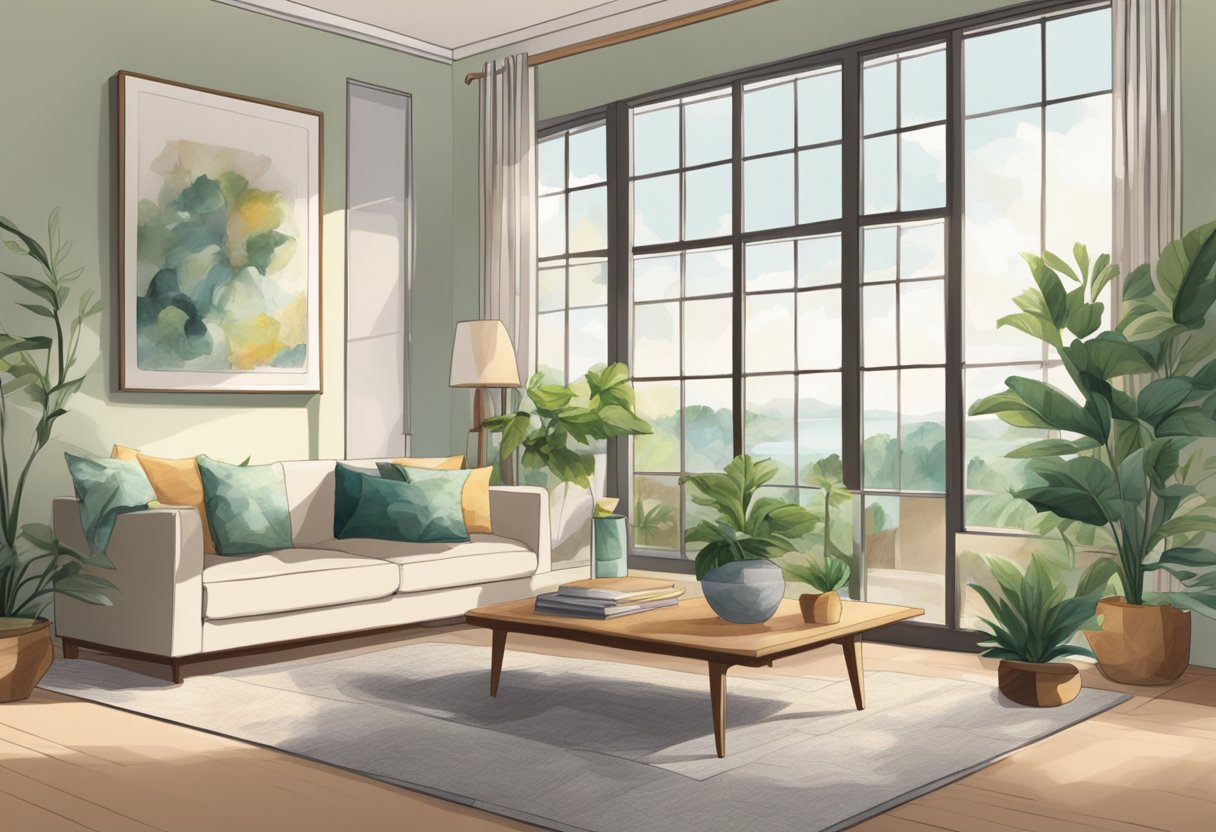
The key to feng shui is understanding how energy flows through your space. This energy, called chi, can be guided by the placement of objects and the use of color.
By applying feng shui principles, you can create an environment that supports your goals and well-being.
Feng shui uses the five elements – wood, fire, earth, metal, and water – to bring balance to your home. Each element has its own qualities and can be used to enhance different areas of your life.
For example, adding water features can bring a sense of calm, while fire elements can spark creativity.
Key Takeaways
- Feng shui can improve your home’s energy flow and your overall well-being
- The five elements play a crucial role in creating balance in your space
- Simple changes in your environment can lead to significant improvements in various aspects of your life
The Fundamentals of Feng Shui

Feng shui is based on key ideas that help create balance and harmony in spaces. These ideas include energy flow, balance, elements, and energy mapping.
Understanding Chi and Energy Flow
Chi is the life force energy that flows through everything. In feng shui, the goal is to create a smooth flow of chi in your space. You can do this by arranging furniture and objects to allow energy to move freely.
Clutter blocks chi, so keeping your space tidy is important.
Open pathways in rooms let chi circulate better. You can also use mirrors to boost energy flow in dark or cramped areas.
Plants are great for improving chi. They add life force to any room. Water features like fountains can also enhance energy flow.
Yin and Yang: The Concept of Balance
Yin and yang represent opposite but complementary forces. In feng shui, you want to balance these energies in your space.
Yin energy is calm and restful. It’s linked to darkness, coolness, and quiet. Yang energy is active and stimulating. It’s associated with light, warmth, and noise.
Your bedroom should have more yin energy to promote rest. Use soft colors and dim lighting.
Living areas can have more yang energy to encourage activity. Use bright colors and lots of light.
A good feng shui space has a mix of both energies. This creates a balanced, harmonious environment.
The Five Elements: Water, Wood, Fire, Earth, Metal
The five elements are key to feng shui. Each element has its own energy and is linked to certain colors and shapes.
Water represents flow and renewal. Use blue colors and wavy shapes. Wood stands for growth and vitality. Use green colors and rectangular shapes.
Fire brings passion and energy. Use red colors and triangular shapes. Earth provides stability and nourishment. Use yellow or brown colors and square shapes.
Metal represents clarity and precision. Use white or gray colors and circular shapes.
You can bring these elements into your space through colors, shapes, or actual objects. The goal is to create a balance of all five elements.
The Bagua Map: Navigating the Energy Blueprint
The Bagua map is a feng shui tool that divides your space into nine areas. Each area links to a different part of your life.
To use the Bagua, stand at your front door looking in. The front third of your space relates to career, wisdom, and helpful people. The middle section covers health, center, and children.
The back areas link to wealth, fame, and relationships.
You can enhance each area with specific colors, elements, and objects.
For example, add blue items or a water feature to boost your career area. Use red or fire elements in your fame area to increase recognition.
The Bagua helps you create a space that supports all areas of your life. It’s a powerful tool for aligning your environment with your goals.
Designing Your Space for Feng Shui
Feng shui principles can transform your living space. By making thoughtful changes, you can create a more balanced and harmonious environment that supports your goals and well-being.
Importance of Proper Furniture Arrangement
Furniture arrangement plays a key role in feng shui.
Place your largest pieces of furniture against solid walls for stability. Keep pathways clear to allow energy to flow freely through your space.
Avoid pointing sharp corners at doors or seating areas. This can create negative energy. Instead, use rounded edges or place plants to soften these areas.
In the bedroom, position your bed so you can see the door while lying down. This creates a sense of security.
Don’t place your bed under a window, as this can lead to restless sleep.
For your desk, choose a spot where you can see the door but aren’t directly in line with it. This “command position” helps you feel in control and focused.
Optimizing Natural Light and Air Quality
Natural light and fresh air are vital for good feng shui.
Open your curtains and windows regularly to let in sunlight and circulate air. This helps clear stagnant energy and boosts your mood.
If a room lacks windows, use mirrors to reflect light and create a sense of openness. Place them across from windows to maximize natural light.
Add air-purifying plants like spider plants or peace lilies to improve air quality. These plants can remove toxins and add a touch of nature to your space.
Consider using a salt lamp or essential oil diffuser to further cleanse the air and create a calming atmosphere.
Selecting Colors for Harmony and Energy
Colors have a big impact on the energy of your space. Choose hues that align with the feng shui elements and your personal goals.
For a calming bedroom, opt for soft earth tones or pastel blues. In your home office, use energizing colors like yellow or light green to boost productivity.
Color selection can also balance the energy in a room.
If a space feels too “yang” or active, add some “yin” elements with cooler colors like blue or purple.
Use the bagua map to guide your color choices in different areas of your home. For example, use reds or pinks in the relationship area to foster love and connection.
Utilizing Feng Shui in Specific Areas
Apply feng shui principles to key areas of your home for maximum impact.
In the entryway, create a welcoming atmosphere with good lighting and a place to remove shoes.
In the kitchen, keep the stove clean and in good repair to support health and prosperity.
Place a mirror behind the stove to symbolically double your wealth.
For the bathroom, always keep the toilet lid closed and the door shut to prevent energy from escaping. Add plants or wooden elements to balance the water energy.
In your living room, arrange seating to encourage conversation. Use a mix of seating heights to create a dynamic energy flow.
Achieving Prosperity and Success
Feng Shui offers practical ways to boost your wealth and career. By making simple changes to your space, you can invite more abundance into your life.
Wealth Corner and Financial Prosperity
The southeast area of your home is key for attracting wealth and prosperity. This “wealth corner” can be enhanced with specific objects and colors.
Place a small fountain or fish tank here to symbolize flowing money. The sound of water also promotes positive energy.
Use purple or green items, as these colors represent abundance. A healthy plant with round leaves can boost your financial growth.
Keep this area clutter-free. A messy wealth corner may block incoming prosperity.
Consider adding symbols of wealth like coins or a treasure box. These remind you of your financial goals.
Promoting Professional Growth and Career Opportunities
Your work area plays a big role in your career success.
Position your desk to face the door, but not directly in line with it. This setup gives you a sense of control and opportunity.
Add the wood element to support growth. A wooden desk or green plants work well.
Place a small mirror behind your workspace. This is said to double your opportunities and expand your vision.
Keep your goals visible. A vision board or list of achievements can motivate you daily.
Use metal elements like a brass lamp to boost clarity and focus in your work.
Manifestation and Personal Growth Through Feng Shui
Feng Shui can help you manifest your desires and grow personally.
Start by decluttering your entire space. This creates room for new opportunities.
Set up a meditation area in a quiet corner. Use calming colors and soft textures to promote inner peace.
Place crystals around your home. Clear quartz can amplify your intentions, while citrine may attract abundance.
Use affirmations in your daily life. Write them on sticky notes and place them where you’ll see them often.
Create a gratitude practice. Keep a journal by your bed and write down three things you’re thankful for each night.
Health and Well-Being
Feng shui principles can boost your physical and mental wellness. By making simple changes to your space, you can create an environment that supports health, reduces stress, and promotes emotional balance.
Incorporating Plants for Vitality and Well-Being
Plants are powerful feng shui tools for improving health. They clean the air and add life energy to your space.
Place lush green plants in key areas of your home or office.
Try adding a peace lily or spider plant to your bedroom. These plants filter air toxins and release oxygen at night, helping you sleep better.
In your living room, a large pothos or monstera can thrive. Their broad leaves absorb negative energy and boost vitality.
Water your plants regularly and trim dead leaves to keep energy flowing.
Aligning spaces with feng shui principles using plants can foster balance and support emotional resilience.
Creating a Tranquil and Calming Environment
A peaceful space helps reduce stress and promote relaxation.
Start by decluttering your home. Remove items that create visual noise or negative emotions.
Paint walls in soft, soothing colors like light blue or pale green. These hues calm the mind and promote tranquility.
Use natural materials like wood and stone to connect with earth energy.
Add a small water feature, like a tabletop fountain. The gentle sound of flowing water creates a serene atmosphere.
Dim harsh overhead lights and use soft lamps instead.
Optimize your environment by maximizing natural light and using calming colors to boost vitality.
Enhancing Relationships and Emotional Health
Good feng shui can improve your connections with others and boost emotional well-being.
In your bedroom, place matching nightstands on both sides of the bed to promote balance in relationships.
Display photos of loved ones in the southwest corner of your living room. This area governs relationships and can strengthen bonds.
Use pairs of objects, like candles or vases, to symbolize partnership.
Create a cozy conversation area in your home. Arrange seating so people face each other, encouraging open communication.
Add soft textures like plush pillows and warm throws to create comfort.
Simple changes can transform your home into a haven for emotional health, linking energy flow with mental wellness.
Practical Feng Shui Tips and Adjustments
Feng shui can transform your space and improve your life. These tips will help you create a harmonious environment that boosts energy and promotes success.
Decluttering for Clarity and Positive Energy
Start by clearing clutter from your home. Remove items you don’t use or love. This opens up space for new opportunities and positive energy to flow.
Organize your belongings. Use storage solutions that keep things tidy but accessible.
Clear surfaces promote a sense of calm and order.
Focus on high-traffic areas first. Declutter entryways, living rooms, and bedrooms. These spaces have the biggest impact on your daily life.
Donate or recycle items you no longer need. This creates good karma and makes room for new blessings to enter your life.
Intelligent Use of Mirrors and Water Features
Mirrors can expand spaces and reflect light.
Place them thoughtfully to enhance energy flow. Avoid pointing mirrors directly at doors or beds.
Use round or oval mirrors to soften sharp corners. This creates a more harmonious feel in your space.
Add a small water feature to your home. The sound of flowing water promotes relaxation and positive energy.
Place it in your entrance or living room for maximum benefit.
Choose the right size and style for your space. A tabletop fountain works well in smaller areas. Larger homes can accommodate wall fountains or freestanding features.
Applying Feng Shui Principles in the Workspace
Position your desk for success. Face the door but not directly in line with it. This gives you a view of opportunities while feeling secure.
Keep your workspace clutter-free and organized.
Use drawer organizers and file systems to maintain order.
Add plants to your office. They improve air quality and bring life energy to your space.
Choose low-maintenance varieties if you’re busy.
Use colors wisely. Blue promotes focus, while green encourages growth.
Add pops of red for energy or yellow for creativity.
Ensure good lighting in your workspace.
Natural light is best, but use full-spectrum bulbs if needed. Proper lighting reduces eye strain and boosts productivity.
Cultural Insights and Case Studies
Feng shui has evolved from ancient Chinese wisdom to a global practice. Its principles have helped many people improve their lives and spaces. Let’s explore real-world examples and clear up some common misunderstandings.
Ancient Chinese Practice to Modern Applications
Feng shui began over 3,000 years ago in China. People used it to choose safe places to live and work.
Today, it’s used in homes and offices worldwide.
Modern feng shui focuses on creating good energy flow.
This can mean:
- Decluttering spaces
- Using colors wisely
- Placing furniture for better function
Many businesses now use feng shui principles to boost productivity.
Hotels and restaurants apply it to make guests feel welcome. Even hospitals use it to create calming spaces for patients.
Success Stories and Transformation
Real people have seen big changes from using feng shui. Here are some examples:
- A struggling store owner rearranged her shop. Sales went up 30% in one month.
- An office worker moved her desk. She got a promotion soon after.
- A couple fixed their bedroom layout. They reported better sleep and less stress.
These stories show how feng shui can affect different parts of life. It’s not just about looks. It’s about creating spaces that support your goals.
Addressing Misconceptions About Feng Shui
Some people think feng shui is magic or superstition. This isn’t true. It’s based on practical ideas about space and energy.
Common myths include:
- You need expensive items to practice feng shui.
- It only works if you believe in it.
- It’s just about decorating.
In reality, feng shui is about making your space work better for you.
It uses simple changes that can have big effects. You don’t need to buy special things or follow strict rules.
Scientific studies are starting to back up some feng shui ideas. They show how our environment affects our mood and behavior.
Frequently Asked Questions
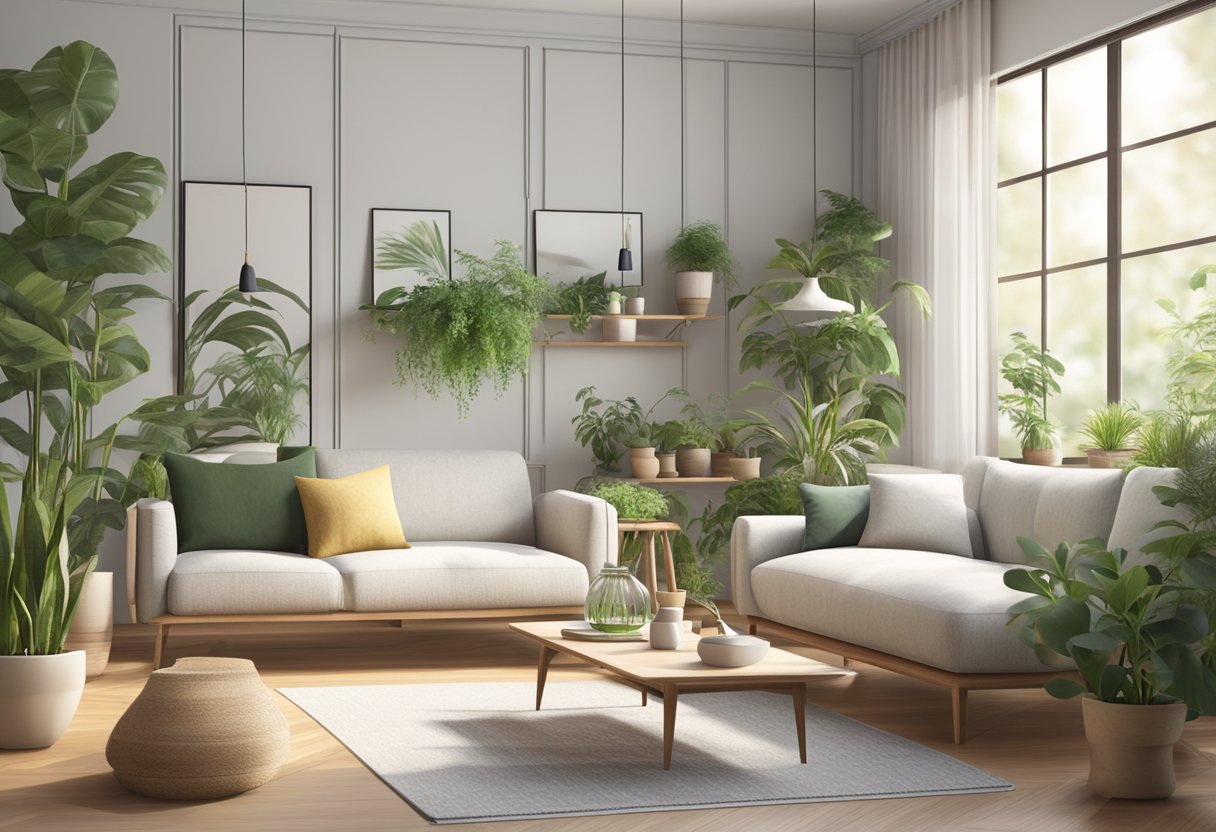
Yin and yang energies play a crucial role in Feng Shui. Understanding how to balance these forces can improve your home’s atmosphere and your well-being.
What are the primary methods to balance yin and yang energies in a home?
To balance yin and yang energies, mix light and dark colors in your decor. Add both soft and hard textures to your furnishings.
Use a combination of curved and straight lines in your room layouts.
Create spaces for both activity and rest. Include areas with bright lighting and others with softer, dimmer light.
What symptoms indicate an excess of yang energy in one’s living space?
Too much yang energy can make a space feel chaotic. You might notice it’s hard to relax or sleep in the room.
The area may seem too bright, noisy, or busy.
People in the space might feel anxious or on edge. There could be a lot of arguments or conflicts in the home.
Can you define yang energy and its key characteristics?
Yang energy is active, bright, and stimulating.
It’s linked to the sun, daytime, and masculine qualities.
Yang spaces are often well-lit, colorful, and busy.
Key traits of yang energy include warmth, movement, and expansion.
It’s associated with creativity, productivity, and social interaction.
What strategies can be used to reduce yang energy in a room?
To reduce yang energy, add soft, plush fabrics like rugs or curtains.
Use cooler colors like blues and greens in your decor.
Lower the lighting by using dimmer switches or softer bulbs.
Introduce calming elements like plants or a small water feature.
Remove clutter and create open spaces to allow energy to flow more smoothly.
How do yin and yang energies influence one’s well-being according to Feng Shui principles?
Yin and yang energies affect your mood and health. A good balance can help you feel calm yet energized.
Too much yang might make you feel stressed or unable to relax.
An excess of yin can lead to feeling sluggish or depressed.
The right mix supports overall well-being and helps you tackle daily tasks with ease.
In Feng Shui, what is the significance of yang energy for male individuals?
For men, yang energy is linked to strength and action. It can boost confidence and drive.
Yang spaces may help men feel more focused and productive.
Too much yang, though, can lead to aggression or restlessness. The key is to balance yang with yin for a harmonious living space that supports male energy without overwhelming it.





Leave a comment