Belief plays a powerful role in your health. When you expect a treatment to work, it often does – even if it’s just a sugar pill. This is called the placebo effect. On the flip side, expecting bad side effects can actually make you feel worse. That’s the nocebo effect.
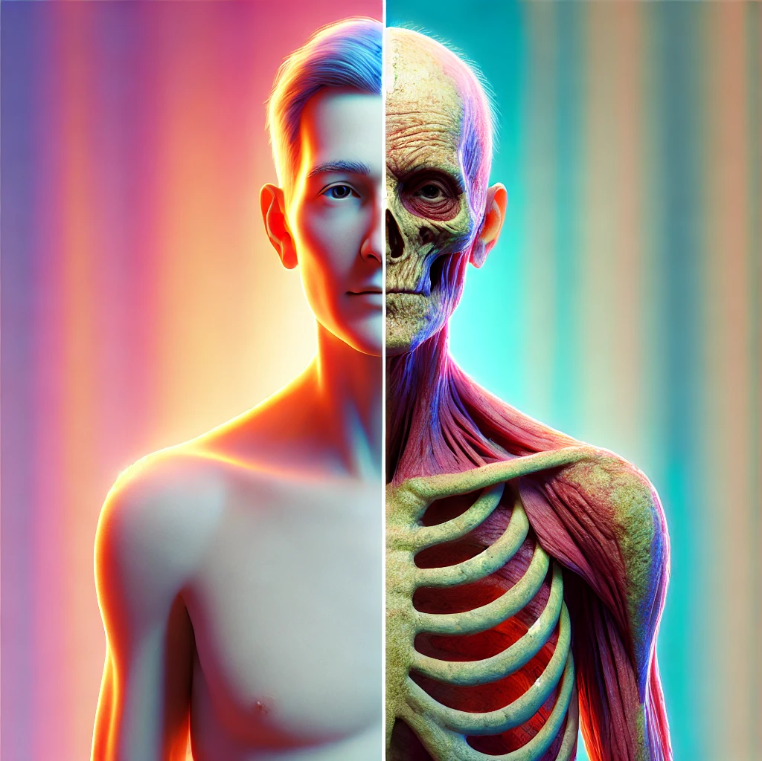
Your mindset and expectations can significantly impact how you respond to medical treatments.
Studies show that up to 76% of side effects from COVID-19 vaccines also occurred in placebo groups. This suggests many symptoms come from expectations rather than the vaccine itself.
Understanding placebos and nocebos can change how you approach your health.
By harnessing the power of positive expectations, you may be able to boost the effectiveness of treatments.
At the same time, being aware of nocebo effects can help you avoid unnecessary suffering from anticipated side effects.
Key Takeaways
- Your beliefs and expectations can influence treatment outcomes through placebo and nocebo effects
- Positive expectations may enhance healing, while negative expectations can lead to unwanted symptoms
- Being aware of these effects can help you work with healthcare providers to optimize your treatment experiences
Understanding Placebos and Nocebos
Placebos and nocebos play a big role in how you feel better or worse. Your beliefs and thoughts can change how your body reacts to treatments.
Definitions and Differences
A placebo is a fake treatment that can make you feel better. It might be a sugar pill or other harmless substance. The placebo effect happens when you think a treatment will help, so your body reacts as if it did.
A nocebo is the opposite. It’s when you expect bad side effects, and then you feel them even if the treatment can’t cause them. Your negative thoughts lead to real symptoms.
The key difference is in your expectations. With placebos, you expect good results. With nocebos, you expect bad ones.
Historical Perspectives
Doctors have known about placebos for a long time. In the past, they sometimes gave patients fake treatments without telling them. This was to make patients feel better when no real treatment existed.
Over time, scientists started to study how placebos work. They found that the placebo effect is real and can be very strong.
Nocebos are a newer idea. Researchers only started looking at them closely in the last few decades. They found that negative beliefs can cause real harm.
The Psychological Mechanisms
Your brain plays a big part in how placebos and nocebos work.
- Expectations: When you think something will happen, your brain prepares for it.
- Conditioning: Past experiences shape how you react to treatments.
- Suggestion: What others tell you can change how you feel.
- Learning: Your brain uses what you know to predict outcomes.
These processes can make you feel better or worse. Your beliefs can even change how your body works. This shows how powerful your mind is in healing and suffering.
Neurobiological Underpinnings
The brain plays a key role in placebo and nocebo effects. Research has uncovered specific brain areas and chemicals involved in these responses.
Brain Imaging Studies
Brain imaging techniques have revealed the neural basis of placebo and nocebo effects. Functional magnetic resonance imaging (fMRI) shows changes in brain activity during these responses.
The dorsolateral prefrontal cortex activates during placebo analgesia. This area helps control pain perception.
The anterior cingulate cortex also lights up in placebo responses. It’s involved in emotion and pain processing.
For nocebo effects, the hippocampus and amygdala often show increased activity. These areas play a role in fear and anxiety.
Neurotransmitters Involved in Placebo and Nocebo Effects
Specific brain chemicals drive placebo and nocebo responses. Dopamine and opioids are key players in placebo effects.
The brain releases endogenous opioids during placebo analgesia. This leads to pain relief similar to taking actual painkillers.
Dopamine levels increase in the brain’s reward centers during positive expectations. This may explain the feel-good effects of placebos.
For nocebo effects, stress hormones like cortisol often increase. The neurotransmitter cholecystokinin can also enhance pain sensations.
Pain Modulation and the Nociceptive System
Placebo and nocebo effects strongly influence pain perception. They do this by modulating the nociceptive system in the brain and spinal cord.
Placebo analgesia reduces activity in pain-processing brain areas. It also decreases pain signals in the spinal cord.
Nocebo effects do the opposite. They increase pain-related brain activity and spinal cord signaling.
The hypothalamus plays a role in both placebo and nocebo responses. It releases hormones that can either reduce or enhance pain sensations.
Clinical Implications and Applications
Beliefs about treatments can significantly impact health outcomes. Understanding placebo and nocebo effects is crucial for improving patient care and research methods.
Placebo and Nocebo in Clinical Trials
Clinical trials often use placebos to test treatment efficacy. Placebo responses can affect results, making it hard to measure a drug’s true impact.
You might see improvements in the placebo group due to positive expectations.
Nocebo effects can cause side effects in placebo groups. This makes it tricky to tell which side effects come from the actual treatment. Researchers need to account for both placebo and nocebo when designing studies.
To improve trials, you can:
- Use active placebos that mimic drug side effects
- Measure expectations before and during the trial
- Track nocebo responses carefully
Applying Placebo Effects in Practice
Doctors can use placebo effects to boost treatment outcomes. This doesn’t mean giving fake pills. Instead, it’s about tapping into the power of belief and the mind-body connection.
Ways to harness placebo effects:
- Build a strong doctor-patient relationship
- Explain treatments positively
- Use rituals and symbols of healing
- Encourage patients to take an active role
Open-label placebos can work even when patients know they’re getting a placebo. This approach is gaining interest for conditions like chronic pain.
Risks and Ethics of Nocebo Effects
Nocebo effects can harm patients. Negative beliefs about treatments can lead to worse outcomes or more side effects. You need to be aware of how your words and actions might trigger nocebo responses.
Ethical concerns:
- Balancing informed consent with avoiding nocebo
- Deciding how much to tell patients about side effects
- Managing patient expectations without deceiving
To reduce nocebo risks:
- Frame information positively when possible
- Teach patients about nocebo effects
- Monitor for and address negative beliefs
- Use empathy and good communication skills
Patient-Healthcare Provider Dynamics
The relationship between patients and healthcare providers plays a crucial role in treatment outcomes. Communication, expectations, and empathy all influence the healing process.
Influence of Doctor-Patient Communication
Clear communication between you and your doctor shapes your treatment experience. When doctors explain things well, you’re more likely to understand and follow their advice.
Good communication builds trust and confidence, which can boost positive outcomes.
Doctors who listen carefully to your concerns may uncover important details about your health. This can lead to more accurate diagnoses and better treatment plans. Open dialogue also helps you feel heard and respected.
Poor communication, on the other hand, can lead to misunderstandings. You might not follow treatment correctly or may develop anxiety about your condition.
Treatment Expectations and Outcomes
Your beliefs about a treatment can affect how well it works. If you expect a medicine to help, you’re more likely to feel better. This is known as the placebo effect.
But the opposite is also true. If you think a treatment will cause side effects, you’re more likely to experience them. This is called the nocebo effect.
Healthcare providers can shape your expectations through their words and actions. Positive framing of treatments can enhance their effectiveness. Negative framing might trigger nocebo responses.
Your past experiences and cultural beliefs also play a role in forming expectations. Being aware of these factors can help you and your doctor work together more effectively.
Role of Empathy in Healing
Empathy from healthcare providers can significantly impact your healing process.
When doctors show they care about your well-being, it can reduce your stress and anxiety.
Empathetic care may activate your body’s natural healing responses.
It can lower blood pressure, reduce pain, and speed up recovery times.
Doctors who take time to understand your perspective create a supportive environment.
This can make you feel more comfortable sharing important health information.
Empathy also helps build trust between you and your healthcare team.
When you trust your providers, you’re more likely to follow their advice and stay engaged in your treatment plan.
Methodologies for Investigating Placebo and Nocebo
Scientists use various approaches to study placebo and nocebo effects.
These methods range from carefully designed experiments to large-scale data analyses.
Brain imaging and stimulation techniques also play a key role in uncovering the neural mechanisms behind these phenomena.
Research Design in Placebo Studies
Randomized controlled trials (RCTs) are the gold standard for studying placebo effects.
In these studies, researchers randomly assign participants to receive either a real treatment or a placebo. This design helps isolate the placebo effect from the actual treatment effect.
Some key features of placebo study designs include:
- Double-blinding: Neither participants nor researchers know who gets the real treatment
- Crossover designs: Participants receive both placebo and active treatment at different times
- Open-label placebos: Researchers tell participants they’re getting a placebo to study belief effects
Brain imaging studies like functional magnetic resonance imaging (fMRI) and positron emission tomography (PET) help researchers see how placebos affect brain activity.
These tools reveal which brain areas activate during placebo responses.
Systematic Reviews and Meta-Analyses
Systematic reviews gather and analyze results from many individual studies on a topic.
This method gives a big-picture view of placebo and nocebo effects across different conditions and treatments.
Meta-analyses take this a step further by statistically combining data from multiple studies.
This approach can:
- Increase statistical power to detect small effects
- Compare placebo responses across different types of treatments
- Identify factors that influence the strength of placebo and nocebo effects
These methods help researchers spot patterns and draw more reliable conclusions about how placebos and nocebos work.
Innovative Experimental Approaches
Scientists are always developing new ways to study placebo and nocebo effects.
Some cutting-edge methods include:
- Virtual reality: Creating immersive environments to manipulate expectations
- Brain stimulation: Using techniques like transcranial magnetic stimulation to alter brain activity and study its effects on placebo responses
- Genetic studies: Investigating how genes might influence individual differences in placebo sensitivity
Experimental paradigms often use deception or clever designs to separate belief effects from actual treatment effects.
For example, researchers might give all participants an inactive substance but tell some it’s a powerful painkiller.
These innovative approaches help scientists uncover the complex mechanisms behind placebo and nocebo effects.
Sociocultural and Psychological Contexts
Beliefs and cultural factors play a key role in shaping placebo and nocebo effects. Your mindset and social environment can influence how you respond to treatments.
Belief Systems and Health
Your personal beliefs about health and healing can impact treatment outcomes.
Spiritual and religious beliefs often shape how you cope with illness and approach medical care. If you believe a treatment will work, you’re more likely to experience positive effects.
Psychological factors like expectation and conditioning are important.
When you expect pain relief, your brain may release natural painkillers. Past experiences with treatments can create learned associations that affect future responses.
Your beliefs about treatments are shaped by cultural learning. What you see as effective in your culture influences how your body responds. This highlights the power of the mind-body connection.
Cultural Factors in Placebo and Nocebo Effects
Culture shapes many aspects of the placebo and nocebo response.
Your preferences for certain types of treatments may be influenced by cultural norms. For example, you might favor pills in some cultures and herbal remedies in others.
The way treatments are marketed and presented in the media affects your perceptions.
Seeing positive portrayals can boost placebo effects. Negative coverage may increase nocebo responses.
Cultural differences impact:
- Treatment preferences
- How you interpret symptoms
- Your relationship with healthcare providers
- Beliefs about the body and healing
Your cultural background provides a framework for understanding health and illness. This shapes your expectations and responses to medical interventions.
Psychosocial Approaches to Treatment
Psychosocial factors can be leveraged to enhance healing and minimize negative effects.
Building a strong provider-patient relationship is key. When you trust your doctor, you’re more likely to believe in the treatment.
Providing clear information about treatments can boost positive expectations.
Framing side effects carefully may reduce nocebo responses. For example, saying “most people tolerate this well” instead of listing all possible side effects.
Using culturally appropriate treatments can improve outcomes.
This might include incorporating traditional healing practices when appropriate. Addressing your specific concerns and beliefs about illness is important.
Cognitive-behavioral approaches can help reframe negative beliefs.
Learning relaxation techniques may enhance your body’s healing responses. Social support from family and community also plays a vital role in the healing process.
Therapeutic Strategies and Future Directions
Belief plays a crucial role in shaping health outcomes. The following strategies aim to harness positive effects and minimize negative ones in medical settings.
Enhancing Therapeutic Efficacy with Placebo Effects
You can boost treatment outcomes by leveraging placebo effects.
Doctors may use positive framing when discussing treatments. This means highlighting benefits rather than side effects.
Creating a supportive treatment context is key.
Warm, empathetic interactions between you and your healthcare provider can enhance placebo responses. This taps into your body’s self-healing abilities.
Some specific approaches include:
- Using rituals or meaningful gestures during treatment
- Providing clear explanations about how treatments work
- Encouraging your active participation in the healing process
Classic conditioning and associative learning also play a role.
Pairing neutral stimuli with effective treatments can create learned placebo responses over time.
Mitigating Nocebo Effects in Healthcare
Nocebo effects can harm your health. Doctors aim to reduce these through careful communication.
They may avoid mentioning minor side effects that don’t impact safety.
For necessary warnings, framing matters.
Instead of saying “20% experience nausea,” a doctor might say “80% tolerate this well.”
Other strategies to reduce nocebo effects include:
- Building trust and rapport with patients
- Addressing your concerns and anxieties
- Providing accurate, balanced information
In clinical trials, researchers are exploring ways to separate drug side effects from nocebo responses. This helps assess true treatment effects.
Emerging Treatments and Considerations
New approaches are being tested to harness placebo effects. These include:
- Open-label placebos: Giving you inert pills while explaining they’re placebos
- Virtual reality: Creating immersive, healing environments
- Personalized medicine: Tailoring treatments to your individual responses
Ethical considerations are important.
Deception isn’t needed for placebo effects. Transparency and shared decision-making are key.
Research is exploring placebo and nocebo effects in various conditions. Fibromyalgia and COVID-19 vaccination are areas of interest. Understanding biopsychosocial mechanisms will help improve medical practice.
Neuromodulation approaches like transcranial magnetic stimulation might enhance placebo effects. More research is needed to fully understand their potential.
Frequently Asked Questions
Belief can shape health outcomes in powerful ways. Understanding how placebo and nocebo effects work helps patients and doctors make informed decisions about treatment.
How do placebo and nocebo effects impact patient outcomes?
Placebo effects can lead to real improvements in symptoms and health.
For example, 76% of systemic side effects after the first COVID-19 vaccine dose were also seen in placebo groups. This shows many side effects come from expectations, not the treatment itself.
Nocebo effects can worsen symptoms or cause new ones.
If you expect negative outcomes, you’re more likely to experience them, even without a real physical cause.
What mechanisms underlie the placebo effect in promoting recovery?
Your brain releases natural pain-relieving chemicals when you expect relief.
This can reduce pain and inflammation. Positive expectations also lower stress and boost your immune system.
Your beliefs affect many body systems, including breathing, digestion, and immunity.
Placebos can trigger real physiological changes that promote healing.
Can the nocebo effect cause actual deterioration in health?
Yes, nocebo effects can cause real harm.
Negative expectations can increase pain, anxiety, and other symptoms. This added stress can weaken your immune system and slow healing.
In some cases, nocebo effects may even worsen underlying health conditions. Your mind-body connection is powerful, so negative beliefs can have real physical impacts.
In what ways can clinicians minimize nocebo-related harm during treatment?
Doctors can use clear, positive language when explaining treatments. Focusing on benefits rather than side effects can reduce nocebo responses.
Building trust and addressing patient concerns also helps.
Clinicians should be aware of how their words and actions shape patient expectations. Careful communication can minimize nocebo effects without hiding important information.
How does a patient’s belief in treatment effectiveness influence therapeutic results?
Your confidence in a treatment boosts its effectiveness. If you believe a therapy will work, you’re more likely to see positive results.
This applies to both conventional and alternative treatments.
Strong belief can amplify real drug effects. It may also trigger the body’s own healing mechanisms. Skepticism, on the other hand, can reduce treatment benefits.
What ethical considerations arise from the use of placebos in clinical practice?
Using placebos raises questions about patient autonomy and informed consent.
Is it okay to “deceive” patients if it improves outcomes? Some argue placebos are ethical if patients know they may receive them.
There’s debate over using placebos in clinical trials.
While they help test drug effectiveness, some say denying real treatment is unethical.
Balancing scientific rigor with patient care remains challenging.





Leave a comment