Imagine a life with less stuff and more joy. Minimalism offers a path to free your mind and spirit from the weight of excess.
It’s not just about getting rid of things – it’s about making room for what truly matters.
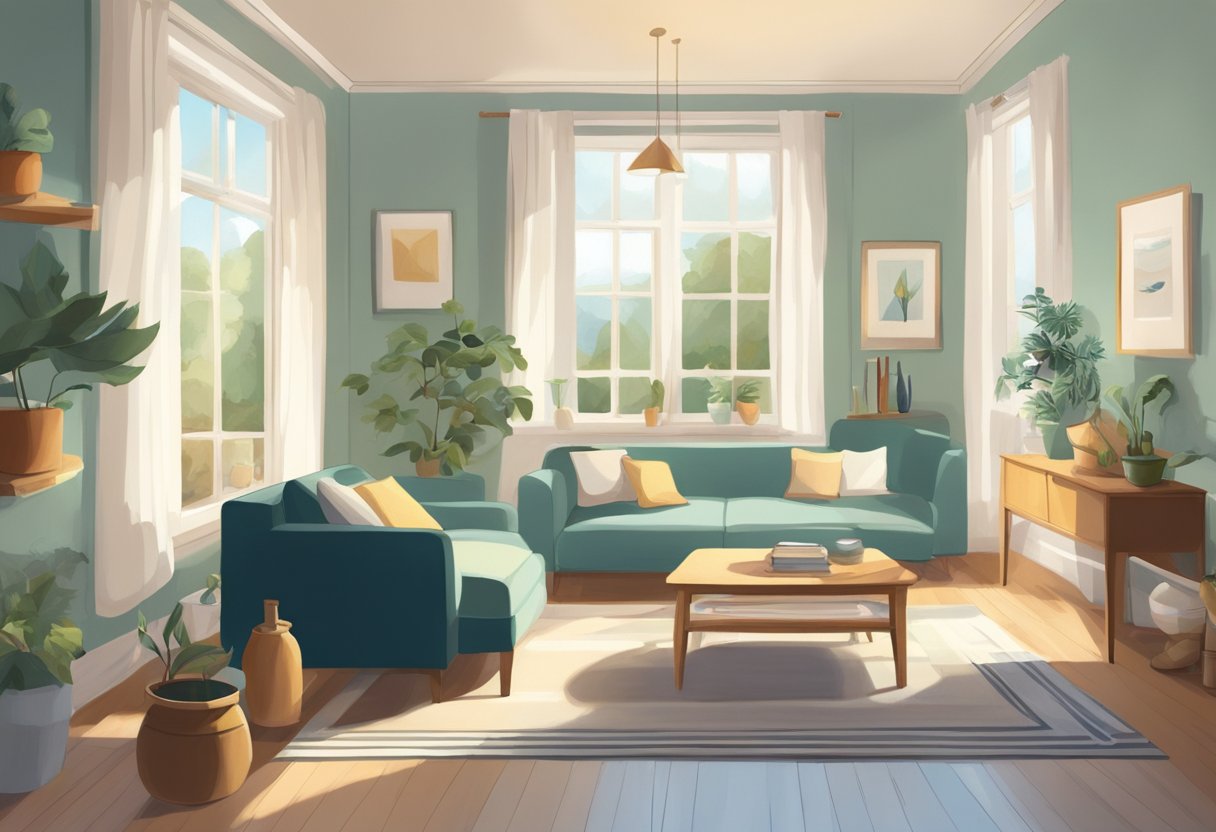
Letting go of unnecessary possessions can bring freedom and a sense of purpose.
When you clear out the clutter, you create space for new experiences and personal growth.
You might find that with fewer distractions, your creativity and productivity soar.
The journey to a simpler life starts with small steps.
You can begin by looking at your belongings and asking yourself what adds real value to your life.
As you practice letting go, you may discover a lighter, more fulfilling way of living.
Key Takeaways
- Minimalism frees your mind by reducing physical and mental clutter
- Letting go of excess possessions creates space for personal growth and new experiences
- A simplified lifestyle can boost creativity and help you focus on what truly matters
Embracing Minimalism
Minimalism offers a path to freedom and purpose through simplicity. It’s a journey that can transform your life and mindset.
Understanding Minimalism
Minimalism is about living with less to gain more. It’s not just getting rid of stuff.
It’s focusing on what truly matters in your life.
You choose to keep only what brings value and joy. This applies to objects, activities, and relationships.
Minimalism frees up space, time, and energy. It lets you concentrate on your goals and passions.
By clearing clutter, you create room for growth and new experiences. You may find peace in a simpler, less chaotic environment.
The Minimalist Mindset
Adopting a minimalist mindset means changing how you think about possessions and consumption. You start to question each purchase and item you own.
Ask yourself: “Does this add value to my life?” If not, let it go.
This mindset extends beyond material things. It applies to your time and commitments too.
You learn to say no to things that don’t align with your values. This creates space for what truly matters.
Embracing minimalism can lead to:
- Less stress
- More freedom
- Improved focus
- Greater appreciation for what you have
Minimalism and Purpose
Minimalism helps you uncover your life’s purpose. By removing distractions, you can see what’s truly important.
You gain clarity on your goals and values. This makes it easier to pursue meaningful activities and relationships.
Minimalism offers lasting benefits that go beyond decluttering. It can lead to:
- A more organized lifestyle
- Reduced stress
- Financial savings
- Increased productivity
Your minimalist journey is personal. It’s about finding what works for you and aligns with your purpose.
The Burden of Clutter
Clutter weighs heavily on both your physical space and mental state. It creates stress and robs you of peace. Let’s explore how clutter affects your life and what you can do about it.
Physical and Mental Clutter
Physical clutter fills your home with unnecessary items. It makes spaces feel cramped and chaotic. You might struggle to find things you need or keep areas clean.
Mental clutter is just as taxing. It includes:
- Unfinished tasks
- Overbooked schedules
- Information overload
This mental mess can leave you feeling scattered and unfocused. You may have trouble making decisions or setting priorities.
Both types of clutter demand your attention and energy. They create a constant low-level stress that drains you over time.
Clutter’s Impact on Well-being
Clutter can significantly harm your well-being. It often leads to:
- Higher stress levels
- Decreased focus
- Lower productivity
- Feelings of guilt or shame
Your cluttered space may make you feel embarrassed to have guests over. This can lead to social isolation.
Clutter can also affect your physical health. Dusty or moldy items may trigger allergies. Piles of stuff create tripping hazards.
By surrounding yourself with excess, you miss out on the calm that comes with a tidy space.
Breaking Free From Clutter
To break free from clutter, start small. Pick one area to declutter, like a drawer or countertop.
Ask yourself:
- Do you need this item?
- Does it bring you joy?
- Have you used it in the past year?
If the answer is no, let it go.
Donate, sell, or recycle items you don’t need.
Create systems to prevent future clutter. Use a “one in, one out” rule for new purchases. Set up filing systems for important papers.
Remember, decluttering is a process. Be patient with yourself as you work towards a clutter-free life.
Principles of Letting Go

Letting go frees your mind and spirit. It brings joy and transforms your life in powerful ways.
Letting Go of Excess
You can start by getting rid of extra stuff. Look at your things and ask if you really need them.
Keep only what you use and love. Donate or sell the rest.
Get rid of clothes you don’t wear. Clear out old papers and books. Delete unused apps and files on your devices.
Letting go of excess goes beyond physical items.
Say no to commitments that drain you. Cut back on social media. Simplify your schedule.
As you let go, you’ll feel lighter. Your space will be clearer. Your mind will be calmer. You’ll have more time and energy for what matters.
The Joy of Letting Go
Letting go brings happiness. You feel free when you release what’s holding you back.
Let go of past regrets. They only weigh you down. Focus on the present and future instead.
Release grudges and anger. Forgiveness lifts a huge burden off your shoulders.
Let go of unrealistic expectations. Accept yourself and others as you are. This brings peace and contentment.
Embrace change instead of fearing it. Change often leads to growth and new opportunities.
As you let go, you’ll feel more joyful and at peace. You’ll be open to new experiences and relationships.
Transformative Power of Release
Letting go can change your life in big ways. It clears space for new and better things.
Release old habits that no longer serve you. This frees you to form healthier ones.
Let go of limiting beliefs about yourself. You’ll discover strengths you didn’t know you had.
Release the need to control everything. You’ll feel more relaxed and go with the flow.
Let go of comparisons to others. Focus on your own growth instead.
As you release, you’ll feel more confident and self-assured. You’ll be better able to handle life’s challenges. Your relationships may improve too.
The Decluttering Process
Decluttering can free your mind and simplify your life. It helps you focus on what’s important and create a peaceful physical space.
Steps to Declutter Your Space
Start small. Pick one area like a drawer or closet. Take everything out and sort items into keep, donate, and trash piles.
Be honest with yourself. Ask if you’ve used the item in the past year. If not, it may be time to let it go.
Use the “one in, one out” rule. When you buy something new, remove an old item to keep clutter at bay.
Try the KonMari method. Keep only items that spark joy.
Create designated spots for everything you keep. This makes it easier to put things away and find them later.
Maintaining a Minimalist Space
Set up a system. Have a place for incoming mail, bills, and important papers. Deal with them promptly.
Do a quick tidy-up each day. Spend 10-15 minutes putting things back where they belong.
Regularly reassess your belongings. Every few months, look for items you no longer need or use.
Be mindful of new purchases. Ask yourself if you really need something before buying it.
Embrace digital decluttering too. Clean up your computer files, emails, and phone apps.
Decluttering as a Habit
Make it a daily practice. Spend a few minutes each day decluttering a small area.
Set reminders. Put decluttering tasks on your calendar to stay on track.
Involve your family. Teach kids to put away toys and encourage everyone to keep shared spaces tidy.
Celebrate your progress. Take before and after photos to see how far you’ve come.
Remember why you started. Focus on the peace and clarity a clutter-free space brings.
Be patient with yourself. Decluttering is a process, not a one-time event. Keep at it, and you’ll see results.
Mindfulness and Simplification
Mindfulness and simplification go hand in hand. They can help you focus on what’s important and let go of unnecessary clutter in your life.
Cultivating Mindfulness
Mindfulness means paying attention to the present moment.
You can start by taking a few deep breaths each day.
Focus on how the air feels as you breathe in and out.
Try to eat one meal a day without distractions.
Notice the flavors and textures of your food. This helps you enjoy it more.
Set aside 5-10 minutes daily for quiet reflection.
Sit comfortably and observe your thoughts without judgment.
This practice can reduce stress and improve focus.
Simplicity in Everyday Life
Simplifying your life means getting rid of things you don’t need.
Start with your closet. Keep only clothes you wear often and love.
Create a simple morning routine. This might include stretching, making your bed, and eating a healthy breakfast.
Use a basic to-do list to manage tasks. Write down only the most important things for each day.
Try saying “no” to commitments that don’t align with your goals.
This frees up time for what really matters to you.
The Impact of Mindful Consumption
Mindful consumption means thinking carefully about what you buy.
Before making a purchase, ask yourself if you really need it.
Wait 24 hours before buying non-essential items. This helps avoid impulse purchases.
Consider the environmental impact of your choices. Choose products with less packaging when possible.
Borrow or rent items you only need occasionally. This saves money and reduces clutter in your home.
By consuming mindfully, you can save money and reduce stress. You’ll also have more space and time for things that truly make you happy.
The Lifestyle Shift
Embracing minimalism can lead to positive changes in your daily life and mindset. It allows you to focus on what truly matters and find contentment with less.
Adopting a Minimalist Lifestyle
Start by decluttering your physical space. Get rid of items you don’t use or need. Keep only things that bring value and joy to your life.
Simplify your wardrobe by creating a capsule collection. Choose versatile pieces that mix and match easily.
Practice mindful consumption. Before buying something new, ask yourself if you really need it.
This helps reduce impulse purchases and saves money.
Digital decluttering is also important. Unsubscribe from unnecessary emails and delete unused apps from your devices.
Minimalism in Personal Growth
Minimalism frees up time and energy for self-improvement.
With fewer distractions, you can focus on your goals and passions.
Use the extra time to develop new skills or hobbies.
Read more books, take online courses, or learn a new language.
Practice mindfulness and meditation.
These techniques can help you stay present and reduce stress.
Cultivate meaningful relationships. Focus on quality over quantity in your social connections.
Success Through Simplification
A minimalist approach can boost your productivity and success. By eliminating clutter and distractions, you can concentrate on what’s truly important.
Set clear priorities and goals. Focus your energy on tasks that align with your values and objectives.
Simplify your work environment. Keep your desk clean and organized to improve focus and efficiency.
Learn to say no to commitments that don’t serve your goals.
This frees up time for activities that matter most.
Embrace digital minimalism at work. Use only essential apps and tools to reduce digital overwhelm and increase productivity.
Boosting Creativity and Productivity
Minimalism can unlock your creative potential and enhance your productivity. By simplifying your environment and mindset, you open up space for new ideas and focused work.
Minimalism Fostering Creativity
A clutter-free space allows your mind to wander freely. When you remove distractions, you give your thoughts room to flourish.
Try these tips:
- Clear your desk of unnecessary items
- Create a dedicated area for creative work
- Limit digital notifications during creative sessions
Spending time in nature can spark new ideas. Take short walks or sit in a park to refresh your mind.
Practice mindfulness to boost creativity.
Set aside time for:
- Deep breathing exercises
- Meditation
- Quiet reflection
These activities help you tap into your creative side and generate innovative solutions.
Productivity Through Simplicity
Simplifying your tasks and environment leads to increased focus and efficiency. Here’s how to apply minimalism to your work:
- Prioritize your to-do list
- Focus on one task at a time
- Eliminate unnecessary meetings or commitments
Choose quality over quantity in your projects.
By concentrating on fewer, high-impact tasks, you’ll achieve better results.
Create a streamlined workflow:
- Use simple, effective tools
- Automate repetitive tasks
- Regularly declutter your digital files
Embrace the concept of “flow” – a state of deep focus and productivity.
Minimize interruptions and create an environment that supports sustained concentration.
Memories Over Possessions
Choosing experiences over material items can lead to greater happiness and life satisfaction. Memories create lasting joy, while possessions often bring only temporary pleasure.
Valuing Experiences
You can find more fulfillment by focusing on experiences rather than accumulating things. Letting go of stuff frees your mind and spirit. Instead of buying new items, consider:
• Taking a trip to a new place
• Learning a new skill or hobby
• Spending quality time with loved ones
These experiences create lasting memories that you’ll cherish for years to come. They shape who you are and provide personal growth opportunities.
Unlike material goods, experiences can’t be lost, stolen, or broken. They become a part of you, enriching your life story.
Creating Lasting Memories
To build meaningful memories, be present in the moment. Put away your phone and fully engage in activities. Try these ideas:
• Start a new tradition with friends or family
• Volunteer for a cause you care about
• Challenge yourself with a personal goal
Document your experiences through photos, journals, or mementos. This helps you revisit and share your memories later.
Remember, it’s not about the cost of the experience. Simple moments can create the most powerful memories. A walk in nature or a heartfelt conversation can be just as impactful as an expensive vacation.
Minimalism Beyond the Individual
Minimalism extends beyond personal choices. It can create positive change in communities and help protect the environment. You’ll see how letting go of excess impacts more than just your own life.
Minimalism in Community
When you embrace minimalism, your actions can inspire others. Your simpler lifestyle may encourage friends and family to reconsider their own habits. As more people adopt minimalist practices, communities change.
Shared spaces become less cluttered. Neighbors may start tool libraries or clothing swaps. These reduce waste and bring people together.
You might find yourself volunteering more. With less focus on stuff, you have time to help others. This strengthens community bonds.
Some towns even promote minimalist values. They create car-free zones or limit advertising. These steps can improve quality of life for everyone.
Environmental Considerations
Your minimalist choices have a big impact on the planet. Buying less means less demand for new products. This reduces manufacturing and its associated pollution.
You’ll likely produce less waste. Fewer possessions mean less to throw away later. You might start to repair items instead of replacing them.
Your smaller living space needs less energy to heat and cool. This cuts your carbon footprint. You may find yourself using less water and electricity too.
Minimalism can transform your relationship with nature. You might spend more time outdoors, appreciating simple pleasures. This can foster a deeper commitment to protecting the environment.
Furthering Your Journey
Embracing minimalism is an ongoing process of growth and change. It requires dedication and a willingness to keep learning and finding new sources of inspiration.
Continued Learning and Growth
Your minimalist journey is a path of constant discovery.
Read books on simplicity and decluttering to deepen your understanding. Try The Joy of Letting Go for insights on finding freedom through minimalism.
Join online forums or local groups focused on simple living.
Share your experiences and learn from others who are on similar paths.
Experiment with new ways to simplify different areas of your life.
This might include:
- Trying a capsule wardrobe
- Adopting a minimalist approach to technology use
- Simplifying your daily routines
Reflect on your progress regularly.
Keep a journal to track your thoughts and feelings as you let go of excess.
Inspiration for Ongoing Change
Look for role models who embody the minimalist lifestyle you aspire to.
Follow minimalist bloggers, podcasters, or social media accounts for daily motivation.
Visit art galleries or museums that showcase minimalist design.
Let the clean lines and uncluttered spaces inspire you to create similar environments at home.
Take nature walks to appreciate the beauty of simplicity in the natural world.
Use these moments to reconnect with what truly matters to you.
Embrace the art of letting go in all aspects of your life.
This includes physical items, but also negative thoughts and unhelpful habits.
Set new challenges for yourself, like a month-long shopping ban or a digital detox weekend.
These experiences can reignite your passion for simple living.
Educational Impact
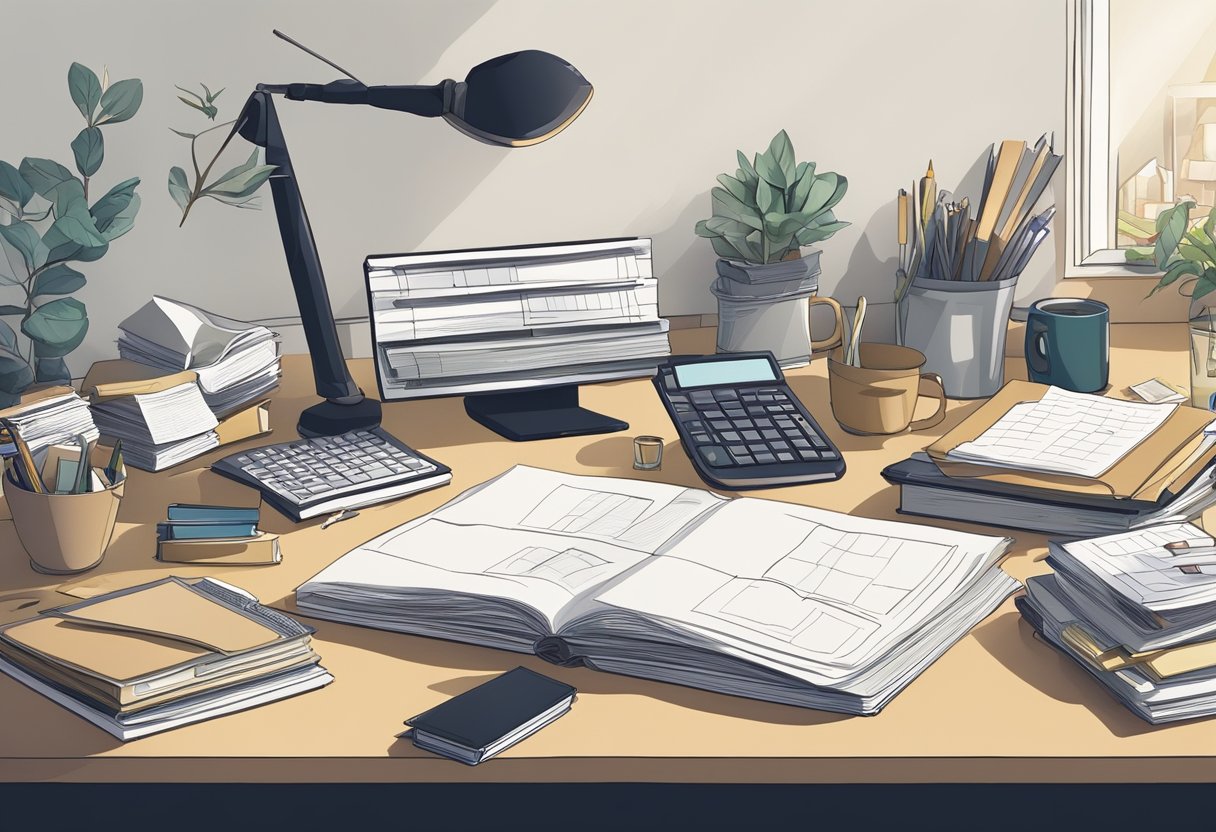
Minimalism in education can sharpen focus and boost learning. It strips away distractions and helps students concentrate on what matters most.
Minimalism Concepts in Academia
Top schools like MIT are exploring minimalist approaches.
You’ll find courses that teach simple living and decluttering. These classes help you learn to cut through noise and get to the heart of subjects.
In MBA programs, minimalism shapes how future leaders think.
You’re taught to simplify complex problems. This skill is key in business, where clear thinking leads to better choices.
Minimalist study spaces are becoming popular on campuses.
You’ll see bare walls and clean desks. These areas help you focus without visual clutter.
Incorporating Minimalism into Education
You can apply minimalist ideas to your own learning.
Start by decluttering your study area. Keep only what you need for the task at hand.
Break down big topics into smaller, manageable parts.
This helps you grasp difficult concepts more easily.
Focus on one thing at a time to improve your understanding.
Use simple note-taking methods.
Stick to key points and avoid writing everything down. This helps you remember more and saves time.
Try minimalist apps for studying.
These tools have clean designs and few distractions. They can help you stay on track and boost your productivity.
Frequently Asked Questions
Minimalism offers many benefits for mental health and personal growth. It can boost happiness, reduce stress, and help create a more focused life. Let’s explore some common questions about minimalism.
What are the psychological benefits of adopting a minimalist lifestyle?
Minimalism can reduce stress and anxiety.
When you have less clutter, your mind feels clearer. You worry less about maintaining and organizing stuff.
Minimalism also boosts self-confidence.
You learn to value yourself beyond material possessions. This shift in mindset can lead to greater self-acceptance and inner peace.
Can embracing minimalism lead to increased personal happiness?
Yes, minimalism often increases happiness.
With fewer distractions, you can focus on what truly matters to you. This might include relationships, hobbies, or personal growth.
Minimalism helps you appreciate what you have.
You become more grateful for the essentials in your life. This gratitude can boost your overall sense of well-being and contentment.
How does one begin the process of decluttering according to minimalist principles?
Start small. Pick one area, like a drawer or closet.
Remove items you don’t use or love. Be honest with yourself about what you really need.
Ask yourself if each item brings value to your life.
If not, consider donating or selling it.
Remember, minimalism is about keeping what’s meaningful, not getting rid of everything.
What impact does minimalism have on one’s mental health and well-being?
Minimalism can greatly improve mental health.
It reduces the mental load of managing too many possessions. This frees up mental energy for more important things.
A clutter-free environment can lower stress levels.
It creates a sense of calm and order in your living space. This peaceful atmosphere can help improve mood and reduce anxiety.
How can minimalism contribute to a more focused and purposeful life?
Minimalism helps you identify your priorities.
By removing excess, you can see what’s truly important to you. This clarity allows you to focus on your goals and values.
With fewer distractions, you can dedicate more time and energy to meaningful activities.
This might include pursuing passions, spending time with loved ones, or working towards personal growth.
What are common challenges people face when transitioning to a minimalist mindset?
Letting go of sentimental items can be tough. You might feel guilty about getting rid of gifts or inherited items.
Remember, memories live within you, not in objects.
Another challenge is resisting the urge to buy new things. Our consumer culture encourages constant purchasing.
It takes time to shift away from this mindset and find satisfaction in owning less.





Leave a comment