Your mind has a powerful influence on your body. By changing your thoughts and beliefs, you can shape your physical appearance and health.
Using mental techniques like visualization and positive affirmations can help transform your body over time.
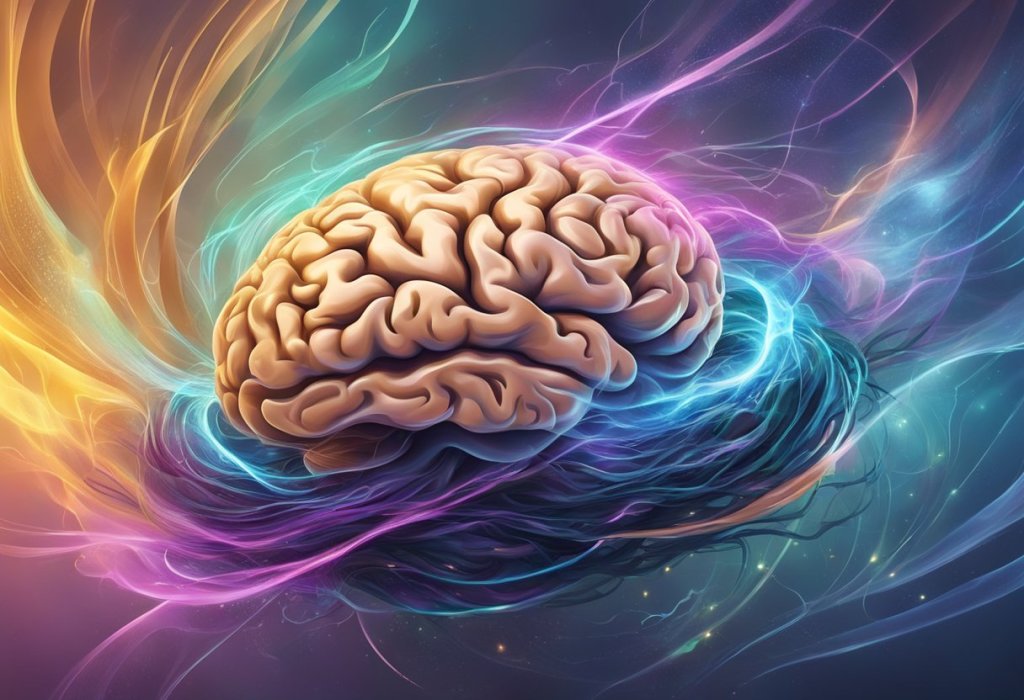
The mind-body connection is real. Research shows that our thoughts and emotions affect our physical well-being.
When you learn to harness this connection, you can make big changes to how you look and feel.
Simple practices like deep breathing and meditation can reduce stress and improve your overall health.
Mental strategies work best when paired with healthy lifestyle choices.
Eating well, exercising regularly, and getting enough sleep all play a role in transforming your body.
When you combine these habits with a positive mindset, you set yourself up for lasting success.
Key Takeaways
- Your thoughts and beliefs can shape your physical health and appearance
- Mental techniques like visualization can help transform your body
- Combining a positive mindset with healthy habits leads to the best results
Understanding the Mind-Body Connection
Your thoughts and emotions can have a big impact on your physical health. The mind and body are closely linked, influencing each other in many ways.
The Science of Thoughts and Biology
Your mindset affects your body at a cellular level.
When you think positive thoughts, your brain releases chemicals that boost your immune system. These chemicals help fight disease and keep you healthy.
Stress can harm your health.
When you worry a lot, your body makes stress hormones. Too many of these hormones can lead to problems like high blood pressure and heart disease.
Your brain and nerves connect to every part of your body. This network sends messages that change how your organs work.
Happy thoughts can slow your heart rate and lower blood pressure.
Psychological Distress and Physical Health
Mental health issues can show up as physical symptoms. Anxiety might cause stomach aches or headaches. Depression can lead to fatigue and body pain.
Chronic stress weakens your immune system. This makes it harder for your body to fight off illness. You may catch colds more often or take longer to heal from injuries.
Negative emotions can change your behavior.
You might sleep poorly, eat unhealthy foods, or stop exercising. These habits can hurt your physical health over time.
Positive Thinking and Healing
A hopeful outlook can speed up healing. Patients who believe they will get better often recover faster from surgery or illness. This is partly due to less stress on the body.
Relaxation techniques like deep breathing can improve your health. They lower stress hormones and help your body repair itself. Regular practice can boost your immune system.
Positive self-talk can motivate you to make healthy choices.
You might eat better, exercise more, or quit smoking. These actions directly improve your physical health.
Cultivating a Healthy Mindset
A healthy mindset is key to transforming your body. It helps you overcome obstacles, stay positive, and appreciate your progress along the way.
Overcoming Limiting Beliefs
Limiting beliefs can hold you back from reaching your fitness goals. These are thoughts like “I’m not athletic” or “I’ll never lose weight.” To overcome them:
- Notice negative self-talk
- Challenge these thoughts
- Replace them with positive affirmations
Try writing down your limiting beliefs. Next to each one, write a more empowering thought.
For example, change “I’m too busy to exercise” to “I make time for what’s important to me.”
Practice self-compassion. Treat yourself with the same kindness you’d show a friend. This builds confidence and helps you bounce back from setbacks.
The Power of Gratitude
Gratitude can boost your mood and motivation. It helps you focus on the good things in your fitness journey. To practice gratitude:
- Keep a gratitude journal
- Write down 3 things you’re thankful for each day
- Include small wins in your fitness routine
You might be grateful for:
- Your body’s ability to move
- A supportive friend who exercises with you
- Feeling stronger after a workout
Celebrating your successes, no matter how small, builds a sense of accomplishment. This reinforces your healthy mindset and keeps you motivated.
Fostering Optimism and Positivity
A positive outlook can help you stick to your fitness goals. It makes challenges feel more manageable. To foster optimism:
- Focus on solutions, not problems
- Visualize your success
- Surround yourself with positive people
When facing a setback, ask “What can I learn from this?” instead of “Why did this happen to me?” This growth mindset helps you see challenges as opportunities to improve.
Try positive self-talk.
Instead of “This workout is hard,” think “I’m getting stronger with every rep.” Your thoughts shape your reality, so choose them wisely.
Mental Strategies for Physical Transformation
Your mind has tremendous power to shape your physical reality. By harnessing mental techniques, you can boost your fitness progress and achieve your body goals faster.
Mental Imagery and Muscle Strength
Mental imagery can increase your muscle strength without lifting a weight.
Picture yourself performing exercises with perfect form. Visualize your muscles contracting and growing stronger.
Try this daily: Close your eyes and imagine doing 10 perfect push-ups. Feel your chest and arms working. This mental practice primes your nervous system.
Over time, this technique can improve your actual physical performance. Studies show imagining workouts can increase strength by up to 13%.
Setting Intentions for Health
Start each day by setting clear intentions for your health. This focuses your mind on positive choices.
Examples of powerful intentions:
- “I choose nourishing foods today.”
- “I move my body joyfully.”
- “I prioritize restful sleep.”
Write your intentions down. Place them where you’ll see them often. This reinforces your commitment to wellness throughout the day.
Harnessing the Placebo Effect
The placebo effect shows how belief impacts physical outcomes. You can use this to your advantage in your fitness journey.
Believe strongly in your workout plan. Trust that your healthy habits are transforming your body.
This positive mindset can enhance real results.
Try positive self-talk:
- “My body responds well to exercise.”
- “I’m getting stronger every day.”
- “My metabolism is efficient and fast.”
These affirmations can strengthen your body-mind connection. They may boost your motivation and physical performance.
Lifestyle Changes for a Transformed Body
Transforming your body requires key changes to your daily habits. These include getting active, eating right, and prioritizing sleep.
Incorporating Physical Activity
Regular exercise is crucial for body transformation.
Aim for at least 150 minutes of moderate activity or 75 minutes of vigorous activity each week. This can include:
- Brisk walking
- Jogging
- Swimming
- Cycling
- Strength training
Mix cardio and strength exercises for best results. Start small and gradually increase intensity.
Find activities you enjoy to stay motivated.
Remember, consistency is key.
Schedule workouts like any other important appointment. Even short 10-minute bursts of activity throughout the day can make a difference.
Nutrition: Fuel for Transformation
Your diet plays a huge role in changing your body.
Focus on nutritious, whole foods to fuel your transformation. Eat plenty of:
- Lean proteins
- Fruits and vegetables
- Whole grains
- Healthy fats
Limit processed foods, sugary drinks, and excessive alcohol.
Stay hydrated by drinking water throughout the day.
Plan your meals ahead of time. This helps avoid unhealthy choices when you’re hungry. Prep nutritious snacks to keep on hand for busy days.
The Role of Sleep in Physical Change
Good sleep is vital for body transformation. Aim for 7-9 hours of quality sleep each night.
Poor sleep can hinder your progress by:
- Increasing hunger hormones
- Slowing metabolism
- Reducing exercise performance
Create a relaxing bedtime routine. Turn off screens an hour before bed.
Keep your bedroom cool, dark, and quiet.
Stick to a consistent sleep schedule, even on weekends. This helps regulate your body’s internal clock.
If you struggle with insomnia, talk to your doctor about potential solutions.
Emotional Well-being and Physical Health
Your emotions play a big role in how your body feels and works.
Good feelings can help you stay healthy. Bad feelings can make you sick.
Laughter and Immune Function
Laughter is great for your health. It makes your body release chemicals that fight germs.
When you laugh, your body makes more cells that kill bad stuff in your blood.
Laughing also helps you breathe better. It makes your heart pump blood faster for a bit. This can help your whole body work better.
Try to laugh more every day. Watch funny videos or spend time with people who make you smile.
Even fake laughing can help your body, so give it a try!
Empathy and Physical Wellness
Feeling for others can make you healthier. When you care about people, your body makes less stress chemicals.
This can help your heart and blood work better.
Being kind to others can also make you feel good. Your brain releases happy chemicals when you help someone.
These chemicals can lower pain and make you feel stronger.
Try to be nice to someone every day. It can be as simple as holding a door or saying thanks.
Small acts of kindness can boost your health over time.
The Significance of Hobbies
Doing things you like is good for your body and mind. Hobbies help you relax and feel happy.
This can lower your stress and make your body work better.
Some hobbies, like gardening or dancing, also give you exercise. Others, like painting or reading, can calm your mind. Both types are good for you.
Pick a hobby you enjoy and do it often.
It doesn’t matter what it is, as long as it makes you happy. Having fun can help you live longer and feel better.
Maintaining Your Transformation

Keeping up your progress takes effort and commitment. Let’s look at key ways to sustain the changes you’ve made to your body and mind.
Building Mental Resilience
Mental toughness is key to long-term success. You can build this by:
• Setting small, achievable goals each day
• Practicing positive self-talk
• Learning from setbacks instead of getting discouraged
When faced with challenges, take a deep breath and remind yourself of how far you’ve come.
Picture your end goal to stay motivated.
Meditation can help boost your mental strength. Try to meditate for 10 minutes daily.
Focus on your breath and let stressful thoughts float away.
Developing a Sustainable Routine
A good routine keeps you on track without burning out. Start by:
• Planning your meals for the week
• Scheduling workouts at times that fit your life
• Getting enough sleep each night
Make your new habits part of your daily life. Put workout clothes out the night before.
Keep healthy snacks ready in your fridge.
Mix things up to avoid boredom. Try new recipes or workout styles. This keeps your routine fresh and exciting.
Long-Term Health and Longevity Benefits
The changes you’ve made can lead to a longer, healthier life. Regular exercise and a good diet can:
• Lower your risk of heart disease
• Help control blood sugar levels
• Boost your immune system
Your efforts may even slow down cellular aging. This means you could look and feel younger for longer.
Stress management is crucial for long-term health. Make time for relaxation each day.
This could be reading, taking a bath, or going for a walk in nature.
Mindfulness and Meditation Practices
Mindfulness and meditation can help you transform your body by changing how you think and feel. These practices teach you to focus on the present and let go of stress.
Techniques for Mindful Living
Start with body scan meditation. This helps you notice how your body feels. It can lower stress and improve sleep.
Try deep breathing. Focus on each breath going in and out. When your mind wanders, gently bring it back to your breath.
Practice mindful eating. Pay attention to each bite. Notice the taste, smell, and texture of your food.
Keep a gratitude journal. Write down three things you’re thankful for each day. This can boost your mood and outlook.
Use positive self-talk. Replace negative thoughts with kind, encouraging ones about yourself.
Integrating Meditation into Daily Life
Set a regular time for meditation. Even 5-10 minutes a day can make a difference.
Find a quiet spot where you won’t be disturbed. Sit comfortably with your back straight.
Try guided meditations if you’re new to the practice. They can help you stay focused.
Use everyday activities as chances to be mindful. Pay attention while brushing your teeth or washing dishes.
Take deep breaths when you feel stressed. This can help you calm down quickly.
Frequently Asked Questions
Mental techniques and practices can shape your body and health. Your mind influences physical changes through visualization, mindfulness, and positive thinking.
What mental techniques can help promote physical transformation?
Positive self-talk can boost your motivation. Set clear goals for your body transformation. Imagine yourself achieving those goals daily.
Practice mindfulness to stay focused on healthy habits. Use affirmations to reinforce your commitment to fitness.
Is there evidence that positive thinking impacts physical health?
Yes, research shows positive thinking can affect health. Optimistic people tend to have better heart health. Positive thoughts can lower stress and improve immune function.
Your outlook can impact healing and recovery from illness. A hopeful mindset may lead to better self-care habits.
Which mind-body practices are effective for weight loss and muscle gain?
Yoga combines physical poses with mental focus. It can build strength and flexibility.
Tai chi improves balance and muscle tone through slow, deliberate movements.
Meditation can reduce stress eating. Guided imagery may enhance workout motivation and results.
How does visualization influence physical performance and body shape?
Visualization can improve athletic performance. Picture yourself performing exercises with perfect form. This mental practice can enhance muscle memory.
Imagine your ideal body shape during relaxation. This can boost motivation and help you stick to your fitness plan.
Can mindfulness and meditation contribute to body transformation?
Mindfulness can increase body awareness. This helps you notice hunger and fullness cues. It may prevent overeating.
Meditation can reduce stress. Lower stress levels often lead to better food choices and more consistent exercise habits.
What role does the brain play in physical fitness and body restructuring?
Your brain controls movement and muscle coordination. Regular exercise can improve these neural connections.
This leads to better physical performance.
Brain chemicals affect metabolism and appetite. Positive thoughts can balance these chemicals.
This may support healthy eating patterns and weight management.




Leave a reply to Optimum Meditation Practices For Busy People: Quick Techniques for Daily Calm – Potent U Cancel reply