Feeling stressed? Art therapy might be the answer you’re looking for. This creative approach to stress relief can help you express emotions and relax your mind.
Art therapy can provide an outlet for relief for people with mental health conditions, particularly ones that are related to stress.
You don’t need to be an artist to benefit from art therapy.
Simple activities like doodling, coloring, or painting can help you unwind. Keeping a sketchbook is an easy way to start. It’s like journaling, but with pictures instead of words.
Art therapy isn’t just for adults. Kids and teens can benefit too.
It’s a great way to help people of all ages express feelings they might struggle to put into words. You can try art therapy with a professional or on your own at home.
Key Takeaways
- Art therapy uses creative activities to help reduce stress and express emotions.
- You don’t need artistic skill to benefit from art therapy techniques.
- Art therapy can be done with a therapist or through simple activities at home.
Understanding Art Therapy
Art therapy uses creative activities to help people express feelings and cope with stress. It combines art-making with psychological support to promote healing and well-being.
Defining Art Therapy
Art therapy is a type of mental health treatment that uses art materials and the creative process to improve well-being.
You don’t need artistic skills to benefit. The focus is on self-expression, not creating a masterpiece.
In art therapy sessions, you might draw, paint, sculpt, or use other art forms. A trained therapist guides you through activities designed to help you explore emotions and reduce stress.
Art therapy can help with many issues. These include anxiety, depression, trauma, and chronic stress. It gives you a way to express difficult feelings without words.
History and Development of Art Therapy
Art therapy emerged as a distinct field in the 1940s. Early pioneers noticed that making art seemed to help people heal emotionally.
In the 1950s and 60s, art therapy became more established. Training programs were created. Research showed its benefits for various groups.
Today, art therapy is used in many settings. You can find it in hospitals, schools, and private practices.
It’s now recognized as an effective treatment for stress relief and other mental health concerns.
Art therapists now need special training and certification. The field continues to grow and evolve with new techniques and applications.
Core Principles of Art Therapy for Stress Relief
Art therapy for stress relief is based on several key ideas:
- Creative expression can release pent-up emotions.
- The act of making art is calming and meditative.
- Art-making engages both mind and body, promoting relaxation.
When you do art therapy, you’re encouraged to focus on the process, not the result. This takes pressure off and allows for free expression.
Art therapy also helps you gain new perspectives.
By creating visual representations of your stress, you can see it in a different light. This can lead to new coping strategies.
Expressive art therapy techniques like drawing or painting can help you communicate feelings that are hard to put into words. This can be especially helpful for processing complex emotions related to stress.
The Connection Between Creativity and Stress Relief
Creativity and stress relief have a strong link. When you engage in artistic activities, your brain releases chemicals that help you feel calmer and happier.
This process can improve your emotional well-being and provide a healthy way to manage stress.
Psychological Impact of Creative Work
Creative work has a powerful effect on your mind.
When you make art, your brain produces dopamine and serotonin, which are feel-good chemicals. These help lift your mood and reduce anxiety.
Art also gives you a way to express feelings that are hard to put into words.
This can help you process tough emotions and gain new insights about yourself.
By focusing on a creative task, you can enter a state of flow. In this state, you forget about your worries and feel more relaxed.
Creative activities can boost your self-esteem too.
When you finish an art project, you feel a sense of accomplishment. This can make you feel more confident in other areas of your life.
Artistic Activities as Stress Relievers
Many types of art can help you reduce stress. Painting, drawing, and sculpting are great options. These activities let you focus on colors, shapes, and textures instead of your worries.
Coloring books for adults have become popular stress relievers. They give you a simple way to be creative without pressure. The repetitive motion of coloring can be very calming.
Music is another powerful tool for stress relief.
Playing an instrument or singing can help you express emotions and relax. Even listening to music can lower your heart rate and blood pressure.
Writing, such as journaling or poetry, lets you put your thoughts on paper.
This can help you make sense of your feelings and find solutions to problems. It’s a great way to clear your mind before bed.
Art Therapy Techniques for Stress Relief
Art therapy offers many ways to reduce stress through creative expression. These techniques can help you relax, focus your mind, and process emotions.
Drawing and Sketching
Drawing is a simple yet powerful way to relieve stress. You don’t need fancy supplies – just grab a pencil and paper.
Try sketching objects around you or doodling abstract shapes. Quick 5-15 minute drawing sessions can provide a calming mental space.
Experiment with different drawing styles.
You might enjoy detailed line work or loose, expressive sketches. Don’t worry about making “good” art. The goal is to express yourself and relax.
Consider keeping a sketch journal.
Draw how you feel each day or illustrate moments that brought you joy. This practice can help you track your moods and find patterns in your stress levels.
Painting and Watercolor
Painting allows you to explore color and texture. Watercolors are great for beginners due to their fluid nature.
Start by wetting the paper and watching how colors blend. This can be very calming.
Try painting landscapes or abstract designs. Focus on the process rather than the end result.
Let your brush strokes follow your emotions. Bold, energetic strokes might express frustration, while soft, flowing lines could reflect peace.
Experiment with different tools like sponges or salt to create unique effects.
The act of mixing colors and applying paint can help you enter a relaxing state of flow.
Collage and Mixed Media
Collage is perfect if you feel stuck creatively.
Cut out images from magazines that speak to you. Arrange them on paper to create a new image. This process can help you express complex feelings without words.
Mix different materials like fabric, photos, and found objects. Add paint or drawing elements to your collage.
The tactile nature of working with various textures can be very grounding.
Create a vision board of your goals or a mood board of things that bring you joy. This can serve as a positive visual reminder during stressful times.
Sculpting and Clay Modeling
Working with clay engages your sense of touch. This can be very soothing and help you stay present in the moment.
Start by simply kneading the clay to release tension in your hands.
Try making small figures or abstract shapes. Focus on how the clay feels and how it changes as you work it.
Don’t aim for perfection – let your hands explore freely.
If you don’t have clay, try making sculptures from household items.
Use paper clips, rubber bands, or even food items like pasta. The act of creating something three-dimensional can be very satisfying.
Mandala Creation and Coloring
Mandalas are circular patterns that can help center your thoughts.
Draw your own mandala starting from the center and working outward. Add patterns and shapes as you go.
You can also use mandala coloring books. The repetitive nature of coloring intricate designs can be very calming.
Choose colors that reflect your mood or ones that you find soothing.
Try creating a mandala with natural objects like leaves, pebbles, or flowers. This combines art with mindfulness of your surroundings. Take a photo when you’re done to preserve your creation.
Incorporating Mindfulness and Meditation
Mindfulness and meditation can enhance your art therapy experience. These practices help you focus on the present moment and tap into your creativity.
Mindfulness in Art Therapy Processes
Mindfulness in art therapy allows you to become more aware of your thoughts and feelings as you create.
Try focusing on the sensations of your art materials. Notice the texture of paper or the smell of paint. Pay attention to your body as you work.
Are your shoulders tense? Is your breathing slow or quick?
Mindful doodling is a great way to start.
Pick up a pen and draw without planning. Let your hand move freely across the page. Don’t judge what appears. Just observe the process.
Mandala drawing is another mindful art practice.
Start from the center and work outward in a circular pattern. This repetitive process can be very calming.
Meditative Practices Through Art
Art-making can lead to a meditative state of flow. This happens when you’re fully absorbed in your task.
Time seems to disappear. You feel calm and focused.
To reach this state, choose a simple art activity. Coloring, painting, or sculpting with clay work well.
Set a timer for 15-20 minutes. Focus only on your art during this time.
Try a breathing exercise as you work.
Breathe in for 4 counts, hold for 4, then exhale for 4. This helps you relax and stay present.
Remember, there’s no right or wrong way to do art therapy. The goal is to express yourself and find relaxation through creativity.
The Role of the Art Therapist
Art therapists play a key part in helping people use art for stress relief. They guide you through creative activities and help you express your emotions.
Facilitating Art Therapy Sessions
Art therapists create a safe space for you to explore your feelings through art. They choose activities that fit your needs and comfort level.
You might draw, paint, sculpt, or try other art forms.
Art therapists don’t judge your work. Instead, they help you find meaning in what you create.
They ask questions to help you think about your art and how it relates to your life and stress.
These experts know how to spot signs of stress in your artwork. They can help you see patterns you might miss on your own.
Guidance Through the Creative Process
Art therapists teach you new ways to use art materials. They show you techniques to express yourself better.
This can help you feel more in control of your stress.
You don’t need to be good at art. Your therapist will encourage you to focus on the process, not the result.
They help you relax and enjoy creating without pressure.
If you get stuck, your therapist can offer ideas to keep you moving forward.
They might suggest adding color or trying a new tool.
Their goal is to keep you engaged in the healing process of art-making.
Art therapists also help you talk about your art. This can lead to new insights about your stress and how to manage it.
Art Therapy for Various Age Groups and Communities
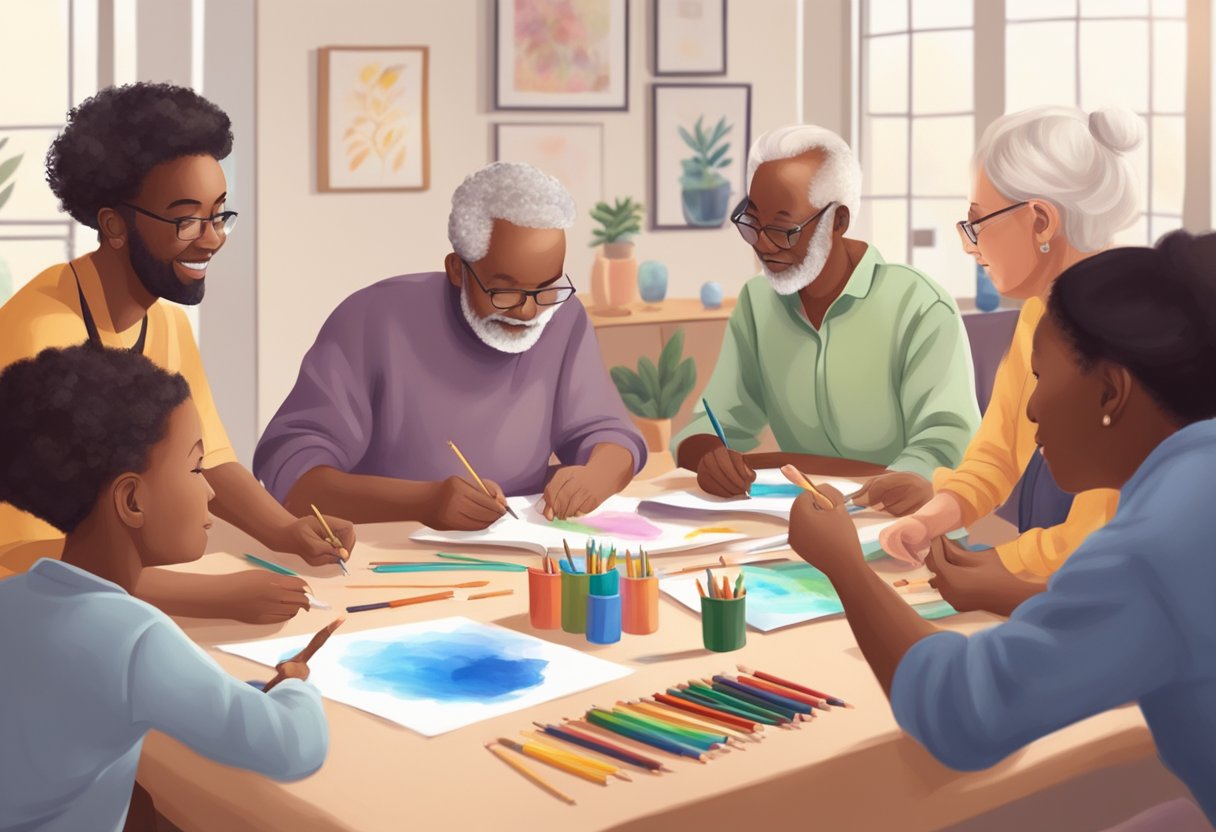
Art therapy offers stress relief and mental health benefits for people of all ages. Tailored approaches help different groups express themselves creatively and cope with challenges.
Children and Adolescents
Art therapy helps kids and teens manage stress in age-appropriate ways. Drawing and painting allow young people to express complex feelings they may struggle to put into words.
For children, simple activities like finger painting or clay modeling can reduce anxiety.
These hands-on projects give kids a sense of control and accomplishment.
Teens may benefit from more advanced techniques.
Collage-making lets adolescents explore their identity and self-esteem. Photography projects encourage teens to see their world from new perspectives.
Group art sessions build social skills and decrease isolation for youth.
Creating together fosters connection and mutual support among peers facing similar struggles.
Adults and Seniors
Art therapy techniques can be adapted to suit adults and older adults.
Coloring intricate designs in adult coloring books is a popular way to practice mindfulness and manage stress.
For working adults, quick sketching exercises during breaks can refresh your mind and boost productivity.
Keeping an art journal allows you to process daily emotions and track your mental well-being over time.
Seniors may find painting or sculpting helpful for maintaining cognitive function.
Group classes at senior centers provide social engagement along with creative expression.
Art projects can help you cope with age-related changes or health issues.
Creating visual representations of your life story can be deeply meaningful and affirming for older adults.
Assessing the Benefits of Art Therapy
Art therapy offers many positive effects for stress relief and personal growth. Studies show clear improvements in key areas for those who try this creative approach.
Measuring Changes in Stress Levels
Art therapy can be a powerful stress reliever.
To measure its impact, researchers look at cortisol levels in participants. Cortisol is a hormone linked to stress. Lower levels often mean less stress.
You can track your own progress too.
Keep a stress journal before and after art sessions. Note how you feel on a scale of 1-10.
Many people see their numbers go down over time.
Physical signs are important too.
Does your heart rate slow during art time? Do your muscles relax?
These are good clues that art is helping you unwind.
Impact on Self-Awareness and Self-Confidence
Art therapy boosts self-awareness and expression skills.
As you create, you learn more about your thoughts and feelings. This deeper understanding can lead to better emotional control.
Your self-confidence may grow too.
Finishing an art project gives you a sense of achievement. You might surprise yourself with hidden talents.
Art offers a safe space for emotional release.
You can express difficult feelings without words. This can be a helpful coping tool when you’re stressed.
Try different art forms to see what works best for you.
Painting, drawing, or sculpting all have benefits. The key is to find what helps you feel calm and centered.
Simple Art Therapy Activities at Home
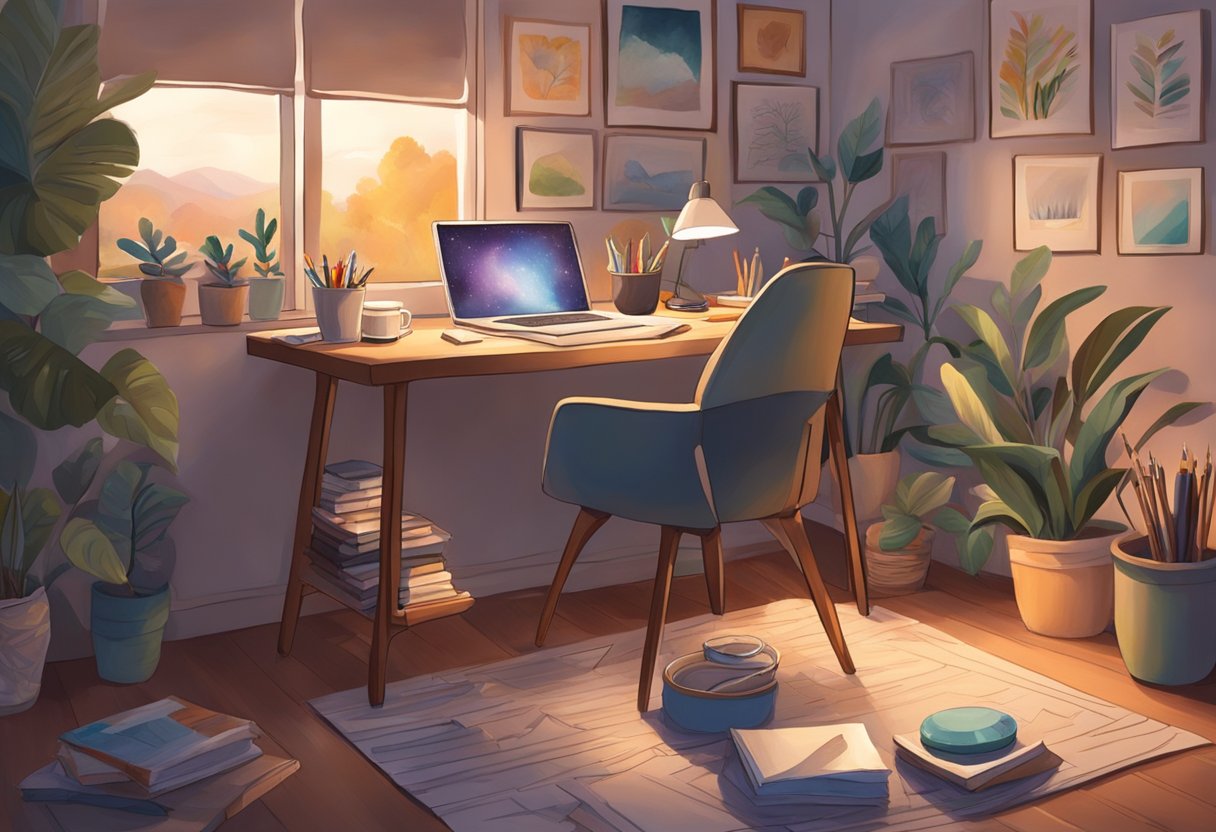
Art therapy can be a powerful tool for stress relief. You can easily start practicing it at home with some basic materials and ideas.
Creating a dedicated space for your art therapy sessions can help you get into the right mindset.
Getting Started with Materials and Ideas
To begin your art therapy journey, gather some simple supplies.
You’ll need paper, pencils, and coloring tools like markers or crayons.
Doodling and coloring are great starting points.
Try drawing shapes or patterns without planning. Let your hand move freely across the page.
Journaling is another easy activity. Write about your feelings or experiences.
Add drawings or sketches to express emotions visually.
Create a gratitude journal to focus on positive aspects of your life.
For a more visual approach, make a vision board.
Cut out images from magazines that represent your goals or dreams. Arrange them on a poster board to create a visual representation of your aspirations.
Setting Up a Creative Space
Choose a quiet corner in your home for art therapy.
Make sure it has good lighting and a comfortable seating area.
Keep your art supplies organized and easily accessible.
This could be a small table or desk with drawers for storage.
Add some inspiring elements to your space.
Hang up artwork you enjoy or place plants nearby for a calming effect.
Play soft music to create a relaxing atmosphere.
Keep distractions to a minimum.
Turn off your phone or put it on silent mode during your art therapy sessions.
This will help you focus on the creative process and get the most benefit from your practice.
Supplemental Activities to Enhance Art Therapy
Art therapy can be made more effective by adding nature-inspired elements and visual storytelling techniques. These methods help you express yourself in new ways and find deeper healing.
Nature-Inspired Art for Healing
Nature-inspired art taps into the calming power of the outdoors.
Try creating mandalas using leaves, flowers, or pebbles. This connects you to natural rhythms and patterns.
Sketch landscapes or paint scenes from memory to relive peaceful moments in nature.
Use earthy colors like greens and browns to ground yourself.
Zentangle art with nature motifs can be very soothing.
Draw repeating patterns of vines, trees, or waves. This meditative practice helps quiet your mind.
Try making sculptures from natural materials like driftwood or clay.
The tactile experience is grounding and lets you shape your emotions into 3D forms.
Incorporating Photography and Visual Storytelling
Photography gives you a new lens to view your world.
Take photos that represent your feelings or capture moments of calm.
Create a visual diary to track your mood over time.
Try photo walks where you snap pictures of things that catch your eye.
This mindful practice helps you focus on the present moment and find beauty in small details.
Use photos as prompts for art journaling.
Write or draw your reactions to the images. This combines visual and written expression for deeper insights.
Create photo collages that tell a story about your experiences or hopes.
Rearranging images lets you reimagine your narrative and gain new perspectives.
Frequently Asked Questions
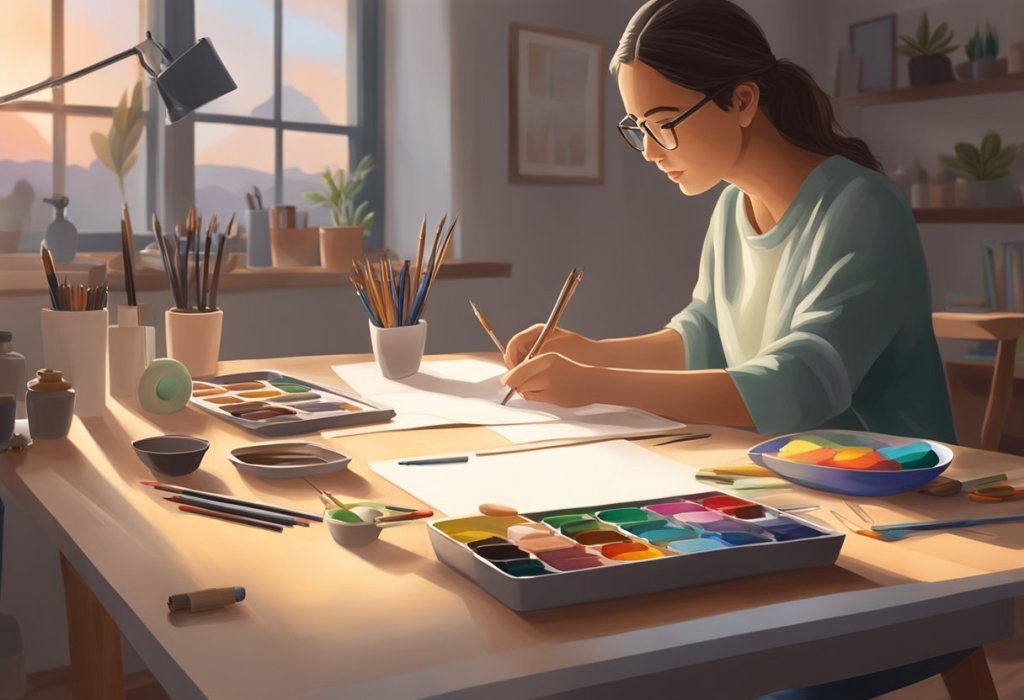
Art therapy offers many ways to relieve stress through creative expression. Different techniques can help manage anxiety, reduce stress levels, and improve overall well-being.
What are effective art therapy techniques for managing anxiety?
Painting, drawing, and sculpting are effective art therapy techniques for managing anxiety.
These activities allow you to express emotions visually, helping to process and release anxious thoughts.
Creating mandalas or zentangles can be calming and meditative. These repetitive patterns help focus your mind and reduce racing thoughts.
How can painting activities aid in the reduction of stress levels?
Painting can lower stress by engaging your senses and promoting mindfulness. The act of mixing colors and applying paint to a surface can be soothing and absorbing.
Watercolor painting is especially relaxing. The fluid nature of the medium encourages a loose, free approach. This can help you let go of perfectionism and stress.
What evidence is there to support the effectiveness of art in stress alleviation?
Studies show that art therapy can reduce stress hormones like cortisol. Brain scans reveal increased activity in areas associated with pleasure and relaxation during creative activities.
Research also indicates that art therapy can lower anxiety levels and improve mood in people with various mental health conditions.
Are there simple drawing exercises known to help with stress relief?
Doodling is a simple yet effective stress-relief exercise. It requires no artistic skill and can be done anywhere with just a pen and paper.
Contour drawing, where you draw an object without looking at your paper, can help quiet your mind and increase focus.
How does engaging with visual arts serve as a coping strategy for stress?
Visual arts provide a healthy outlet for expressing and processing difficult emotions. Creating art gives you a sense of control and accomplishment, boosting self-esteem.
Viewing art can also be stress-relieving. Looking at calming images or visiting art museums can shift your focus away from stressors.
Can routine engagement in artistic activities improve overall stress management?
Regular art-making can build resilience and improve your ability to cope with stress. It also helps develop problem-solving skills and emotional awareness.
Setting aside time for art each day or week creates a consistent self-care practice. This routine can give you a sense of stability. It can also give you something positive to look forward to.




Leave a reply to How Psychedelics Are Redefining Our Understanding of the Mind: New Frontiers in Neuroscience – Potent U Cancel reply