Doing mundane tasks can feel boring and draining. But what if you could find joy in these everyday chores? It’s possible to change your outlook and make even the most routine activities more enjoyable.

By reframing your mindset, you can transform tedious tasks into opportunities for gratitude and personal growth. Instead of viewing chores as burdens, try seeing them as chances to practice mindfulness or appreciate what you have.
For example, doing laundry can be a moment to feel thankful for having clean clothes.
Small shifts in perspective can make a big difference. You might find yourself looking forward to tasks you once dreaded. This change can lead to more happiness and satisfaction in your daily life.
Key Takeaways
- Reframing your mindset can help you find joy in everyday tasks
- Practicing gratitude during chores boosts overall happiness
- Viewing mundane activities as growth opportunities enhances your outlook
The Psychology Behind Joy
Joy and happiness stem from our mindset and how we perceive the world around us. Your perspective shapes your emotional experiences and overall well-being.
Understanding Mindset and Happiness
Your mindset plays a crucial role in how you experience joy. A growth mindset, where you see challenges as opportunities, can lead to more positive emotions. This outlook helps you find joy in everyday tasks and situations.
When you reframe mundane activities, you can transform them into sources of happiness. For example, viewing household chores as a chance to care for your living space can make them more enjoyable.
Your thoughts directly impact your feelings. By challenging negative thought patterns, you open yourself up to more joyful experiences. Practice self-awareness and notice when pessimistic thoughts creep in.
Joy vs. Happiness: A Crucial Distinction
While often used interchangeably, joy and happiness have distinct characteristics. Happiness is typically linked to external circumstances, while joy comes from within.
Joy is a deeper, more lasting emotion. It can persist even during difficult times. Happiness, on the other hand, tends to be more fleeting and situational.
You can cultivate joy by finding meaning in your daily activities. This might involve connecting your tasks to your values or long-term goals.
For instance, see how your work contributes to a larger purpose.
Reframing Techniques
Reframing techniques can help you find joy in everyday tasks. These methods change how you think about situations and can improve your mental health.
Basics of Reframing Your Thoughts
Reframing starts with noticing your thoughts. Pay attention to negative self-talk or unhelpful beliefs. When you spot these, pause and ask yourself if there’s another way to look at things.
Try to find a positive or neutral angle. For example, instead of “I hate doing dishes,” think “Doing dishes gives me a clean kitchen to enjoy.” This small shift can make a big difference.
Practice looking for different perspectives. It’s like training a muscle – the more you do it, the easier it gets.
Start with small, everyday situations to build your reframing skills.
Applying Reframing to Mundane Tasks
When facing boring chores, reframe them as chances for growth or relaxation. Folding laundry can be a mindful break from a busy day. Cleaning can be seen as a way to create a calm space.
Think about the end result of tasks. Focus on how good you’ll feel when they’re done. This can boost your motivation to start and finish them.
Try to find ways tasks connect to your values. If you value family, see chores as ways to care for your loved ones. This gives ordinary tasks more meaning and purpose.
Challenges to Reframing and How to Overcome Them
Reframing isn’t always easy. Your mind might resist new ways of thinking at first. This is normal. Be patient with yourself as you learn this skill.
When you’re stressed or tired, reframing can be harder. In these moments, take a deep breath and remind yourself it’s okay to struggle. Start with small, simple reframes.
If anxiety makes positive thinking hard, acknowledge your feelings first. Then gently guide your thoughts to a more helpful view.
Remember, reframing isn’t about ignoring problems. It’s about finding better ways to deal with them.
Practice is key. The more you use reframing, the more natural it becomes. Over time, you’ll find it easier to shift your mindset and reduce stress.
Practical Applications
Reframing techniques can transform everyday tasks into opportunities for joy and personal growth. These methods help shift perspective and find meaning in routine activities.
Incorporating Gratitude into Daily Routine
Start your day by focusing on the bigger picture. List three things you’re thankful for each morning. This simple act sets a positive tone for the day ahead.
Use a gratitude journal to record small wins and pleasant moments. Write down one good thing that happened, no matter how minor it may seem.
Turn your to-do list into a “get to” list. Instead of “I have to do laundry,” write “I get to have clean clothes.” This subtle change can boost your mood and motivation.
Transforming Chores with Intention and Purpose
Approach household tasks with a fresh mindset. As you clean, imagine you’re creating a peaceful space for relaxation and creativity.
Set a timer for short bursts of focused work. Challenge yourself to complete a task efficiently, making it feel more like a game than a chore.
Play upbeat music or listen to an interesting podcast while doing repetitive tasks. This can make the time pass more quickly and add an element of enjoyment.
The Art of Mindful Grocery Shopping
Before heading to the store, take a moment to plan your meals for the week. This turns shopping into an act of self-care, ensuring you’ll have nourishing food on hand.
As you select items, appreciate the colors and textures of fresh produce. Consider the journey each item took to reach your cart.
Practice kindness by letting someone with fewer items go ahead of you in line. This small act can create a ripple effect of positivity in your community.
Lifestyle Interventions for Joy

Small changes in daily habits can spark joy and transform mundane tasks. By focusing on relationships, passion, and nature, you can create a more fulfilling life.
Building Relationships through Acts of Kindness
You can strengthen bonds with others by performing simple acts of kindness. Start your day by sending a thoughtful text to a friend. Offer to help a coworker with a task they’re struggling with.
Small gestures can have a big impact. Surprise your partner with their favorite snack. Leave a positive note for a neighbor. These actions not only brighten someone else’s day but also boost your own mood.
Consider volunteering in your community. This allows you to meet new people and make a difference. You might help at a local food bank or animal shelter. The connections you form can bring more meaning to your daily life.
Cultivating Passion and Neuroplasticity
Engage in activities that excite you to rewire your brain for joy. Try learning a new skill each month. This could be anything from cooking to coding.
Make time for hobbies you love. Set aside 30 minutes daily for reading, painting, or playing an instrument. This dedicated time can become a highlight of your day.
Challenge yourself with puzzles or brain teasers. These mental exercises can improve your cognitive function and provide a sense of accomplishment. You might enjoy sudoku, crosswords, or jigsaw puzzles.
Connecting with Nature for Inner Peace
Spend time outdoors to boost your mood and reduce stress. Take a short walk during your lunch break. Notice the trees, birds, and sky around you.
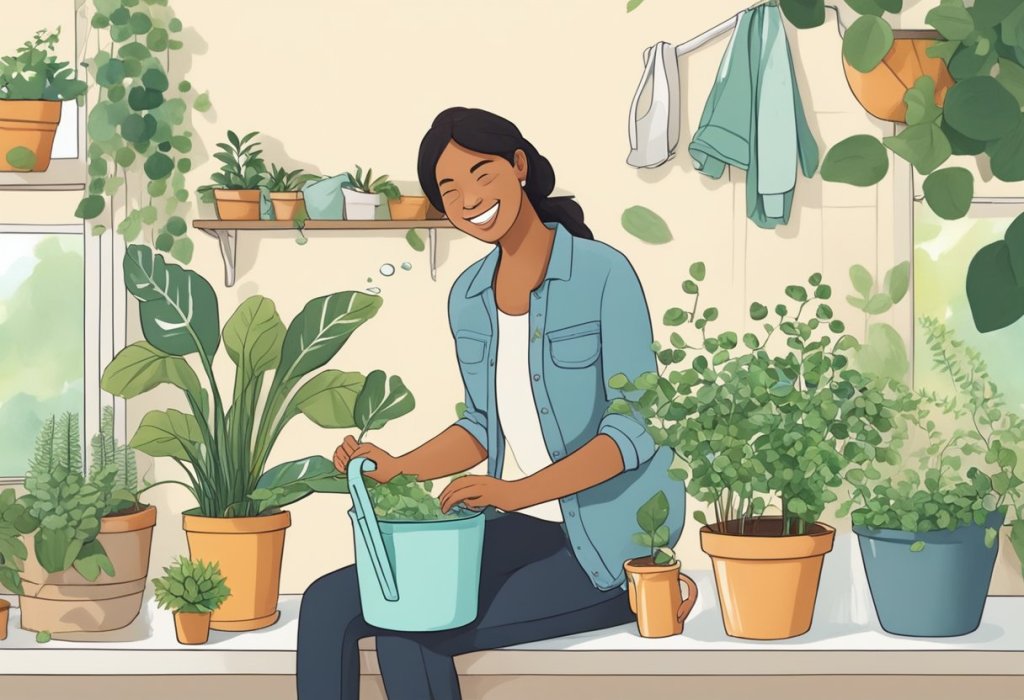
Create a small garden or tend to indoor plants. Watching something grow can be deeply satisfying. Even a few herbs on your windowsill can bring joy.
Plan weekend hikes or nature outings. Explore local parks or trails. The change of scenery can refresh your mind and provide new perspectives.
Try “forest bathing” by simply sitting quietly in nature. Focus on the sights, sounds, and smells around you. This practice can help you feel more grounded and peaceful.
Strategies for Resilience and Positivity
Building resilience and maintaining a positive outlook can transform how you approach everyday tasks. These techniques will help you find joy in the mundane and stay motivated.
Laugh Your Way to Resilience
Laughter is a powerful tool for boosting resilience. When you face a challenging task, try to find humor in the situation.
Watch a funny video before starting work or share a joke with a coworker.
Laughter releases endorphins, which can improve your mood and reduce stress. It also helps you gain perspective on problems, making them seem more manageable.
Try keeping a collection of funny memes or comic strips nearby. When you feel overwhelmed, take a quick break to enjoy them. This simple act can refresh your mind and boost your resilience.
Rewarding Yourself: The Positive Reinforcement
Setting up a reward system can make mundane tasks more appealing. Choose small, meaningful rewards for completing daily chores or work assignments.
Here are some ideas:
- A favorite snack after finishing a report
- 15 minutes of reading time after cleaning the kitchen
- A relaxing bath after a day of errands
Positive reinforcement helps build a sense of accomplishment. It trains your brain to associate tasks with good feelings, making you more resilient in the face of challenges.
Remember to keep rewards proportional to the task. This maintains their effectiveness and prevents burnout.
Motivation through Meaningful Engagement
Finding meaning in your tasks can greatly boost motivation and resilience. Connect your daily activities to your larger goals and values.
For example:
- See organizing your desk as creating a space for creativity
- View grocery shopping as an act of self-care
- Think of household chores as creating a peaceful environment for your family
Practice mindfulness while working. Focus on the present moment and the sensations of the task at hand. This can make even repetitive activities more engaging.
Try to identify one positive aspect of each task you do. Maybe it’s a chance to listen to music, an opportunity to move your body, or a way to help others.
Tools for Self-Improvement
Self-improvement tools can help you change your mindset and find joy in everyday tasks. These methods can boost your mental health and personal growth.
Journaling as a Path to Mindset Shift
Journaling is a powerful way to change your mindset. Write down your thoughts and feelings about daily tasks. This helps you see them in a new light.
Try listing three good things about each chore you do. You might write, “Doing laundry gives me clean clothes, makes my room smell nice, and gives me time to think.”
Use your journal to track your progress. Note how your view of tasks changes over time. This can motivate you to keep going.
Coaching for Personal Development
A coach can help you see mundane tasks differently. They ask questions that make you think about your habits and beliefs.
Your coach might suggest new ways to approach chores. For example, they could help you turn cleaning into a mindfulness exercise.
Coaches also hold you accountable. They check in on your progress and celebrate your wins. This support can be key to changing how you view everyday tasks.
Leveraging Everyday Moments for Growth
You can use daily tasks as chances to grow. While washing dishes, practice deep breathing. This turns a boring chore into a calming ritual.
Look for learning in routine activities. Cooking dinner? Try a new recipe to challenge yourself. This adds excitement to a regular task.
Set small goals for each day. You might aim to fold laundry faster or organize one drawer. These little wins build confidence and make chores more rewarding.
Frequently Asked Questions

People often wonder how to make everyday tasks more enjoyable. These questions address ways to reframe chores and find satisfaction in daily routines.
How can one incorporate mindfulness into daily routine tasks to increase satisfaction?
You can practice mindfulness during routine tasks by focusing on your senses. Pay attention to the smell of soap while washing dishes. Notice the texture of clothes as you fold laundry. This helps you stay present and find joy in small details.
Try taking deep breaths and moving slowly through each task. This can turn mundane chores into calming rituals.
What are effective strategies for transforming routine chores into enjoyable activities?
Listen to music, audiobooks, or podcasts while doing chores. This can make the time pass more quickly and add entertainment to boring tasks.
You can also set timers and challenge yourself to finish tasks faster. This turns chores into a game and adds a sense of accomplishment.
In what ways can turning mundane tasks into games or challenges enhance enjoyment?
Create a points system for completing different chores. Reward yourself when you reach certain point levels. This adds a fun, competitive element to housework.
You might also try racing against the clock or setting personal records for task completion. This transforms ordinary tasks into extraordinary experiences.
How might assigning personal meaning to everyday tasks affect one’s outlook on them?
Think about how each task benefits you or your loved ones. Cleaning the kitchen becomes a way to create a healthy environment for your family.
You can also view chores as a form of self-care. Doing laundry ensures you have clean, comfortable clothes to wear.
Can establishing a reward system for completing everyday jobs effectively foster joy?
Yes, rewards can make tasks more appealing. Plan a small treat for yourself after finishing a set of chores. This could be watching an episode of your favorite show or enjoying a snack.
Make sure the rewards are proportional to the tasks. This helps maintain motivation without relying too heavily on external incentives.
What role does gratitude play in perceiving daily responsibilities more positively?
Practicing gratitude can shift your attitude towards daily tasks.
For example, be thankful for having a home to clean or food to cook.
You might keep a gratitude journal. Write down one positive aspect of each chore you complete. This helps you focus on the benefits rather than the hassle of tasks.






Leave a reply to Using Art Therapy for Stress Relief: A Proven Technique for Mental Well-Being – Potent U Cancel reply