
Failure often feels like a setback, but it can be a powerful tool for growth. By changing how you view failure, you can turn mistakes into valuable lessons.
Embracing failure as a strategy for personal growth helps you build resilience, learn from mistakes, and ultimately achieve greater success.
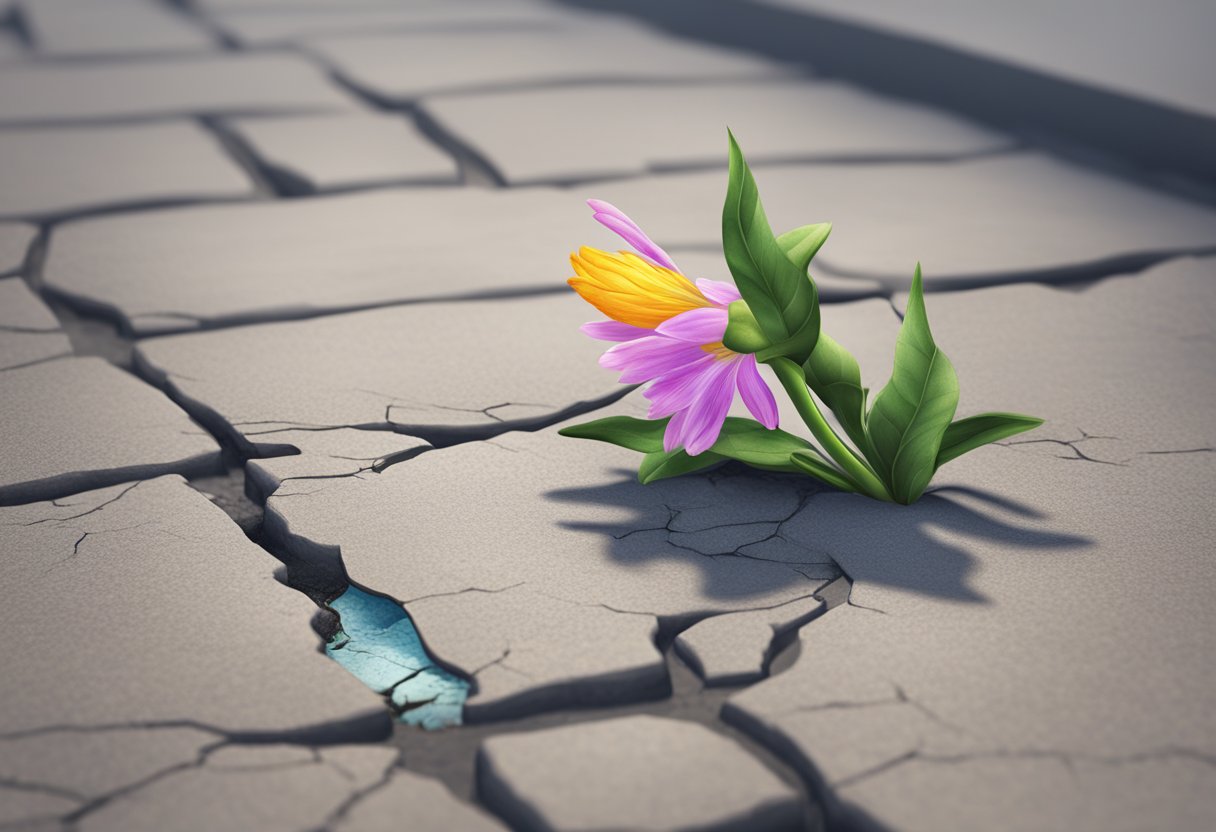
When you face failure, it’s a chance to learn and improve. Each setback teaches you something new about yourself and your goals.
By looking at failures as opportunities, you can find ways to do better next time.
Embracing failure means being open to taking risks and trying new things. It helps you become more creative and innovative.
When you’re not afraid to fail, you’re more likely to try new ideas and find unique solutions to problems.
Key Takeaways
- Failure provides valuable lessons for personal growth and improvement
- Embracing setbacks builds resilience and adaptability
- A willingness to fail leads to increased creativity and innovation
Understanding Failure
Failure is a natural part of life and growth. It can teach us valuable lessons if we approach it with the right mindset.
Defining Failure and Success
Failure happens when you don’t reach a goal or meet expectations. Success means achieving what you set out to do. But these ideas aren’t set in stone.
What looks like failure at first can lead to success later. A job loss might push you to start a business. A failed test could motivate you to study harder.
Success and failure depend on your point of view. You might see getting second place as a failure. Someone else might see it as a big win.
Common Misconceptions About Failure
Many people think failure is always bad. This isn’t true. Failure can spark growth and learning.
Another myth is that successful people don’t fail. In fact, they often fail more than others. They just keep trying.
Some believe failure means you’re not good enough. But skills improve with practice. Failing doesn’t define you – it’s a step in your journey.
The Stigma Surrounding Failure
Society often looks down on failure. This causes fear and shame. You might avoid risks to protect yourself from failing.
This fear can hold you back. It stops you from trying new things or pushing your limits.
Embracing failure can lead to breakthroughs. When you let go of the stigma, you open doors to new experiences.
Remember, everyone fails sometimes. It’s how you handle it that matters. Use failure as a tool for growth, not a reason to give up.
The Psychology of Embracing Failure
Embracing failure can lead to personal growth and improved mental health. It involves changing how you think about setbacks and developing helpful mental habits.
Growth Versus Fixed Mindset
A growth mindset sees challenges as chances to learn. You believe your abilities can improve with effort. This outlook helps you view failure as a pathway to growth.
With a fixed mindset, you see traits as set. You may avoid risks to protect your image. This can limit your progress.
To build a growth mindset:
- See effort as the path to mastery
- Learn from criticism
- Find lessons in others’ success
Fear of Failure and Its Impacts
Fear of failure can hold you back. It may cause you to:
- Avoid new experiences
- Set easy goals
- Give up quickly
This fear often stems from worry about judgment. It can hurt your self-esteem and increase stress.
To overcome this fear, try to:
- Set realistic goals
- Focus on what you can control
- Reframe failure as a learning chance
The Role of Self-Compassion and Empathy
Self-compassion means being kind to yourself when you fail. It helps you bounce back faster.
You can practice self-compassion by:
- Treating yourself like you would a friend
- Recognizing that mistakes are part of being human
- Using gentle self-talk
Empathy for others who fail can also help you. It reminds you that setbacks are normal. You can build empathy by:
- Listening without judgment
- Imagining how others feel
- Sharing your own failure stories
Building Resilience Through Failure
Failure can make you stronger. It teaches valuable lessons and helps you grow. By facing challenges head-on, you can become more resilient and better equipped to handle future setbacks.
Strategies to Build Resilience
Start by reframing your view of failure. See it as a chance to learn, not a defeat. This shift in mindset is key to building resilience.
Set realistic goals and break them into smaller steps. This makes big tasks less daunting and helps you stay motivated.
Practice self-care. Take care of your physical and mental health. Exercise, eat well, and get enough sleep. These habits boost your ability to bounce back from setbacks.
Build a support network. Surround yourself with positive people who encourage you. They can offer different perspectives and help you stay strong when times get tough.
Learning from Setbacks
When you face a setback, take time to reflect. Ask yourself:
- What went wrong?
- What could I have done differently?
- What can I learn from this?
Write down your answers. This helps you process the experience and find valuable insights.
Try new approaches. Use what you’ve learned to adjust your strategy. Each attempt brings you closer to success.
Celebrate small wins along the way. This builds confidence and keeps you motivated.
Cultivating a Positive Mindset
Focus on what you can control. You can’t change the past, but you can shape your future.
Practice gratitude. Each day, list three things you’re thankful for. This helps you stay positive even when facing challenges.
Use positive self-talk. Replace negative thoughts with encouraging ones.
For example, replace “I can’t do this” with “I’m learning and improving.”
Set aside time for activities you enjoy. This helps reduce stress and keeps you balanced.
Remember past successes. When you feel discouraged, think of times you’ve overcome obstacles before. This reminds you of your strength and ability to persevere.
Practical Steps Towards Personal Growth
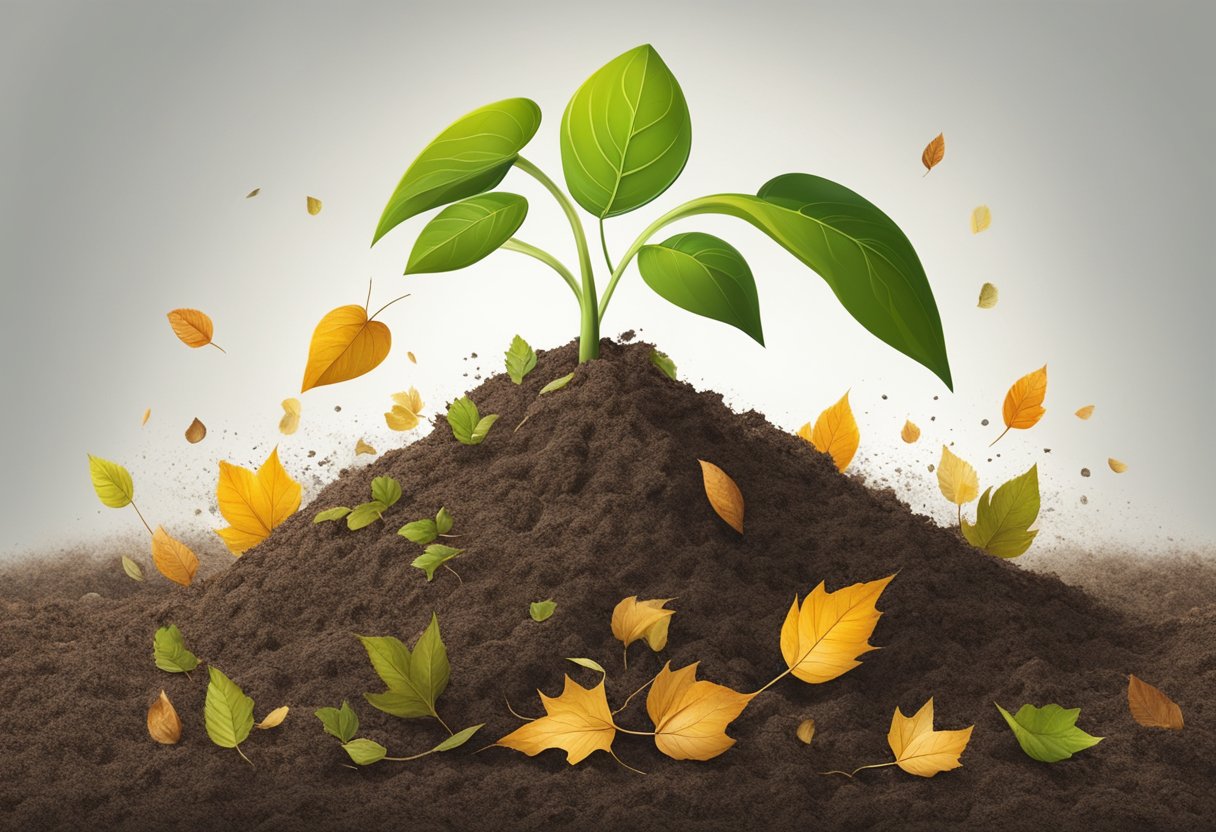
Growth happens when we take action. The steps below will help you embrace failure and use it to improve yourself.
Adopting a Proactive Approach
Start by changing how you see failure. Don’t wait for things to go wrong. Instead, seek out new challenges.
Try new hobbies or skills that push you out of your comfort zone. This helps you build resilience.
Make a list of things you’ve been afraid to try. Pick one and do it this week.
Ask for feedback from others. Use their input to improve, even if it’s hard to hear.
Keep a “failure journal” to track what you learn from mistakes. Review it often to see your progress.
Overcoming Perfectionism
Perfectionism can stop you from growing. It’s important to let go of the need to be perfect.
Set time limits for tasks. When time’s up, turn in your work even if it’s not perfect.
Practice saying “good enough” instead of perfect. This helps you finish things faster.
Break big goals into smaller steps. Celebrate each step you complete.
Try new things without worrying about being the best. Focus on learning and having fun.
Setting Realistic Expectations
Realistic goals help you grow without getting discouraged. They keep you moving forward.
Look at your past achievements. Use them as a guide for what you can do in the future.
Break down big goals into weekly or daily tasks. This makes them feel more doable.
Be flexible with your plans. Adjust your goals if things change or don’t work out.
Celebrate small wins along the way. This keeps you motivated and positive.
Remember that progress isn’t always clear right away. Give yourself time to see results.
Empowering Innovation and Creativity

Embracing failure can spark new ideas and boost creative thinking. It helps you try new things without fear and learn from mistakes.
Embracing Risk-Taking
Risk-taking is key to fostering innovation and creativity. When you take risks, you open doors to new possibilities. You might discover better ways to solve problems or create new products.
Try these steps to become a better risk-taker:
- Start small – take minor risks daily
- Set clear goals for each risk
- Prepare for possible outcomes
- Celebrate both successes and failures
Remember, not all risks will pay off. But each one teaches you something valuable. The more risks you take, the more comfortable you’ll become with uncertainty.
Learning from Trial and Error
Trial and error is a powerful way to learn and grow. Each attempt, whether successful or not, gives you new information. You can use this knowledge to improve your next try.
Here’s how to make the most of trial and error:
- Keep a log of your attempts and results
- Analyze what worked and what didn’t
- Adjust your approach based on feedback
- Don’t give up after one or two failures
Embracing mistakes can fuel innovation by showing you new paths forward. Sometimes, a “failed” experiment leads to an unexpected breakthrough.
Fostering an Innovative Society
A society that values innovation encourages everyone to think creatively. It creates spaces where new ideas can grow and flourish. You can help build this kind of society in your community.
Here are some ways to promote innovation:
- Support local entrepreneurs and startups
- Attend or organize innovation workshops
- Share your own creative ideas freely
- Encourage others to think outside the box
Organizations that embrace failure often see more innovation. They create safe spaces for people to try new things without fear. This leads to more creative solutions and faster progress.
Maximizing Opportunities for Growth
Failure can be a powerful catalyst for personal and professional advancement. By shifting your perspective, you can transform setbacks into valuable learning experiences and fuel your growth journey.
Turning Setbacks into Stepping Stones
When faced with failure, view it as a chance to learn and improve. Analyze what went wrong and identify areas for development. This mindset shift allows you to embrace failure as a learning opportunity.
Make a list of lessons learned from each setback. Use these insights to refine your approach and strategies for future endeavors.
Set new goals based on your newfound knowledge. This proactive stance helps you bounce back stronger and more prepared for upcoming challenges.
Remember, every mistake is a potential stepping stone to success. By reframing setbacks, you open doors to unexpected opportunities and personal growth.
The Transformative Power of Failure
Failure has the ability to reshape your perspectives and abilities. It pushes you out of your comfort zone, forcing you to adapt and evolve.
Embrace the discomfort that comes with failure. This feeling often signals that you’re expanding your boundaries and growing as a person.
Use failure as a motivator to improve your skills and knowledge. Identify gaps in your abilities and take steps to fill them through learning and practice.
Develop resilience by facing and overcoming failures. Each setback you navigate strengthens your ability to handle future challenges.
Remember, failure is an essential part of success. It provides valuable feedback and helps refine your approach to achieving your goals.
Personal and Professional Development
Failure offers unique opportunities for both personal and professional growth. It allows you to develop crucial skills and characteristics that benefit all areas of your life.
Cultivate self-awareness by reflecting on your failures. Understand your strengths, weaknesses, and areas for improvement.
Enhance your problem-solving skills by tackling obstacles head-on. Each failure presents a new puzzle to solve, sharpening your critical thinking abilities.
Improve your emotional intelligence by learning to manage the disappointment and frustration that often accompany failure.
Build stronger relationships by being open about your failures. This vulnerability can foster deeper connections with colleagues, friends, and family.
Remember, embracing failure is key to personal growth and happiness. It shapes you into a more resilient, skilled, and well-rounded individual.
Reshaping the Path to Success
Changing how you view failure can transform your journey to success. By shifting your mindset, you can turn setbacks into chances for growth and progress.
Reframing Failure as a Learning Opportunity
Failure is not the end, but a chance to learn and improve. When you face a setback, ask yourself what you can gain from it. Look at each mistake as an opportunity for growth. What skills can you build? What new insights have you gained?
Make a list of lessons learned after each failure. This helps you see the value in tough times. You might find:
- New ways to solve problems
- Better understanding of your strengths
- Areas where you need more practice
By doing this, you turn every failure into a step forward.
The Road to Success Through Persistence
Success often comes to those who keep trying. When you hit a roadblock, don’t give up. Instead, think of new ways to reach your goal. Embracing failure means pushing through hard times.
Try these tips to stay on track:
- Set clear, achievable goals
- Break big tasks into smaller steps
- Remind yourself why your goal matters
Remember, many successful people failed many times before they made it big. Your persistence will pay off in the long run.
Celebrating Small Wins
Don’t wait for big victories to feel good about your progress. Celebrate the small wins along the way. This keeps you motivated and builds confidence. Did you learn a new skill? Solve a tough problem? Take a moment to enjoy it.
Keep a “win journal” to track your progress. Write down one small success each day. This helps you see how far you’ve come. It also trains your brain to spot the good in each situation.
By celebrating small wins, you build momentum. This makes it easier to keep going when things get tough. Your path to success becomes clearer with each step forward.
Overcoming Challenges
Facing failure can be tough. It takes grit and a strong mindset to push through setbacks. Let’s explore ways to build resilience and find support.
Dealing with Anxiety and Burnout
Anxiety and burnout often come with failure. To cope, try these steps:
- Practice deep breathing exercises daily
- Set small, achievable goals
- Take regular breaks to recharge
Limit negative self-talk. Replace thoughts like “I can’t do this” with “I’m learning and improving.” Keep a journal to track your progress and wins, no matter how small.
Create a routine that includes self-care. Make time for activities you enjoy. This helps reduce stress and prevents burnout.
Building Emotional Strength
Emotional strength is key to bouncing back from failure. Here’s how to build it:
- Challenge negative thoughts
- Practice self-compassion
- Set healthy boundaries
Face your fears head-on. Start with small challenges and work your way up. Each time you push through discomfort, you grow stronger.
Develop a growth mindset. See failures as chances to learn and improve. Ask yourself, “What can I learn from this?” after each setback.
Community Support and Acceptance
You don’t have to face challenges alone. Building a support network is crucial. Here’s how:
- Join groups with similar goals
- Share your struggles with trusted friends
- Seek mentorship from those who’ve overcome similar obstacles
Be open about your experiences. This helps others feel less alone and creates a culture of acceptance. Remember, everyone faces setbacks.
Give back to your community. Helping others can boost your self-esteem and provide perspective on your own challenges.
Continuous Improvement and Adaptability
Embracing failure opens doors to personal growth through ongoing learning and flexibility. By taking calculated risks and bouncing back from setbacks, you can sustain professional development and adapt to new challenges.
Calculating Risks and Taking Action
To improve continuously, you need to step out of your comfort zone. Start by assessing potential risks and rewards before taking action. Make a list of pros and cons for each decision. This helps you make informed choices.
Don’t let fear hold you back. Take small, calculated risks to build confidence. For example, volunteer for a new project at work or learn a new skill. Each step forward, even if small, contributes to your growth.
Keep track of your progress. Use a journal or app to note what you’ve learned from each experience, both successes and failures.
Bouncing Back Stronger
Setbacks are normal. What matters is how you respond. When you face failure, take a moment to breathe and reflect. Ask yourself: What can I learn from this?
Transform missteps into stepping stones. Identify specific areas for improvement based on your experience. For instance, if a presentation didn’t go well, practice public speaking more.
Develop a growth mindset. See challenges as opportunities to learn, not threats. This attitude helps you bounce back faster and stronger.
Seek feedback from trusted colleagues or mentors. Their insights can provide valuable perspectives on how to improve.
Sustaining Professional Growth
To maintain long-term growth, make learning a habit. Set aside time each week for professional development. This could be reading industry blogs, taking online courses, or attending workshops.
Stay curious. Ask questions and seek out new experiences in your field. This approach fosters adaptability and keeps your skills fresh.
Network with others in your industry. Join professional groups or attend conferences. These connections can lead to new opportunities and fresh perspectives.
Regularly reassess your goals. As you grow, your aspirations may change. Be flexible and adjust your path as needed. This adaptability ensures your professional growth aligns with your evolving interests and industry trends.
Frequently Asked Questions
Failure plays a crucial role in personal growth and success. It helps build resilience, teaches valuable lessons, and improves decision-making skills. Let’s explore some common questions about embracing failure.
What role does failure play in the development of resilience?
Failure helps build resilience by challenging your limits. It teaches you to bounce back from setbacks and adapt to difficult situations.
Embracing failure allows you to develop a stronger mindset. You learn to persevere through tough times and come out stronger on the other side.
How can one transform failures into learning experiences?
To turn failures into learning experiences, reflect on what went wrong. Analyze your mistakes and identify areas for improvement.
Ask yourself what you could have done differently. Use this knowledge to adjust your approach in future situations.
Why should we view failure as a necessary step towards success?
Failure is often a stepping stone to success. It provides valuable insights and helps you refine your strategies.
Many successful people have failed multiple times before achieving their goals. Each failure brings you closer to success by eliminating ineffective approaches.
In what ways can acknowledging failure improve one’s decision-making skills?
Acknowledging failure helps you make better decisions by highlighting your weaknesses. It forces you to reassess your choices and consider alternative options.
You become more aware of potential pitfalls and can make more informed decisions in the future.
How does the fear of failure affect personal progress, and how can it be overcome?
Fear of failure can paralyze you and prevent you from taking risks. It may hold you back from pursuing your goals and limit your potential for growth.
To overcome this fear, start by reframing failure as a learning opportunity. Set small, achievable goals to build confidence and gradually tackle bigger challenges.
What strategies can individuals use to constructively cope with setbacks?
Practice self-compassion when facing setbacks. Treat yourself with kindness and understanding.
Develop a growth mindset by viewing challenges as opportunities to learn and improve. Focus on the lessons learned rather than dwelling on the negative outcomes.






Leave a reply to How to Set Anti-Goals to Avoid Burnout: Redefining Success for Better Work-Life Balance – Potent U Cancel reply