Small changes can lead to big results. Micro-habits are tiny actions you can do every day to create lasting change in your life. These small steps are easy to start and maintain, making them powerful tools for personal growth.

Micro-habits work by building momentum over time. By focusing on small, manageable actions, you avoid feeling overwhelmed. This approach helps you stick to your goals and create lasting change. You can add micro-habits to your existing routine, making them a natural part of your day.
Micro-habits can improve many areas of your life. From boosting productivity to enhancing well-being, these small actions add up. By consistently practicing micro-habits, you can achieve big goals and transform your life one step at a time.
Key Takeaways
- Micro-habits are small, easy-to-implement actions that lead to significant changes over time
- Consistency is key when using micro-habits to achieve long-term goals
- Micro-habits can improve various aspects of life, including productivity, health, and personal growth
The Power of Micro-Habits
Micro-habits are small actions that lead to big changes over time. They work by rewiring your brain and creating positive feedback loops.
Defining Micro-Habits
Micro-habits are tiny actions that are easy to do every day. They’re so small, you barely notice them. For example:
- Drinking a glass of water when you wake up
- Doing one push-up before bed
- Writing one sentence in your journal
These small habits might seem too easy, but that’s the point. You’re more likely to stick with them because they don’t require much effort or willpower.
Micro vs. Macro: The Impact of Scale
While big goals can feel daunting, micro-habits break them down into tiny steps. This makes change feel less scary and more doable.
Micro-habits help you complete big goals by building momentum. Each small win gives you a hit of dopamine, making you want to keep going. Over time, these tiny adjustments add up to major life changes.
For instance, reading one page a day might not seem like much. But after a year, you’ll have read several books.
Scientific Basis of Habit Formation
Your brain loves habits. They save energy by making actions automatic. This process is called the habit loop:
- Cue: A trigger for the behavior
- Routine: The behavior itself
- Reward: The benefit you get from the behavior
Micro-habits work with this loop. They’re easy to start, so you quickly move from cue to routine. The small wins provide instant rewards, reinforcing the habit.
Your brain releases dopamine when you complete a habit, no matter how small. This makes you want to repeat the behavior. Over time, these tiny habits become part of your daily life without much thought.
Establishing a Micro-Habit Framework

Micro-habits are tiny actions you can take daily to build momentum towards your long-term goals. They work by breaking down big changes into small, manageable steps.
Identifying Target Behaviors
To start your micro-habit journey, pick behaviors that align with your goals. Think about what you want to achieve in the long run. Do you want to be healthier? More productive?
Make a list of small actions that support these goals. For example:
- Drinking a glass of water each morning
- Reading one page of a book daily
- Doing 5 pushups before bed
These tiny habits may seem too small, but they add up over time. The key is to make them so easy you can’t say no.
Setting Clear, Achievable Goals
Once you’ve identified target behaviors, set clear goals for each. Be specific and realistic. Instead of “exercise more,” try “do 10 jumping jacks every day.”
Break down big goals into smaller milestones. This helps you track progress and stay motivated.
Use the SMART method to set goals:
- Specific
- Measurable
- Achievable
- Relevant
- Time-bound
Remember, the aim is to build a routine you can stick to long-term. Start small and grow from there.
The Habit Loop Explained
The habit loop is a key part of habit formation. It consists of three parts:
- Cue: A trigger that prompts the behavior
- Routine: The action you take
- Reward: The benefit you get from the action
To create a new habit, link it to an existing cue. For example, “After I brush my teeth (cue), I will floss one tooth (routine).”
Choose a reward that motivates you. It can be as simple as feeling proud or marking your progress on a chart.
By understanding this loop, you can design micro-habits that stick and lead to big changes over time.
Micro-Habits for a Productive Daily Routine

Small changes in your daily routine can lead to big improvements in productivity. These micro-habits are easy to start and maintain, helping you make steady progress toward your goals.
Morning Routines to Jumpstart Your Day
Start your day with a glass of water. This simple habit can boost your energy and hydration. Make your bed right after waking up. It gives you a quick win and sets a positive tone.
Do a 5-minute stretch or yoga session. This wakes up your body and mind. Write down three things you’re grateful for. It shifts your focus to the positive.
Plan your day in a journal. List your top three priorities. This helps you stay focused on what’s important. Use a habit tracker to mark off completed tasks. It gives you a visual of your progress.
Integrating Micro-Habits into Work Life
Take short breaks every hour. Stand up, stretch, or walk around for a few minutes. It refreshes your mind and reduces sitting time.
Use the two-minute rule. If a task takes less than two minutes, do it right away. This prevents small tasks from piling up.
Practice the Pomodoro Technique. Work for 25 minutes, then take a 5-minute break. It helps maintain focus and avoid burnout.
Clear your desk at the end of each day. A tidy workspace leads to a clearer mind. Review your long-term goals daily. It keeps you motivated and on track.
Evening Routines for Wind Down
Set a consistent bedtime. It helps regulate your body’s internal clock. Turn off screens an hour before bed. The blue light can disrupt sleep patterns.
Do a quick tidy-up of your living space. Waking up to a clean home reduces morning stress. Write down three things you accomplished that day. It ends your day on a positive note.
Prepare for the next day. Lay out your clothes and pack your bag. It saves time in the morning and reduces decision fatigue. Read a few pages of a book. It’s a calming activity that can improve your knowledge and vocabulary.
Leveraging Micro-Habits for Personal Growth
Micro-habits can be powerful tools for personal growth. They help you build consistency and self-discipline in small, manageable steps.
Cultivating a Growth Mindset
A growth mindset is key to personal development. Start by reading one page of a book each day. This small habit can expand your knowledge over time.
Set aside 5 minutes daily to reflect on your progress. Write down one thing you learned or improved upon.
Challenge negative thoughts by replacing them with positive affirmations. When you catch yourself thinking “I can’t do this,” say “I’m learning and improving” instead.
Try new things regularly, even if they’re small. This could be tasting a new food or taking a different route to work.
Building Professional Skills
Improve your work skills through micro-habits. Spend 10 minutes each day learning about your industry. This could be reading an article or watching a short video.
Practice active listening in meetings. Focus on what others are saying without interrupting.
Set a daily goal to send one networking message. This could be a quick email or LinkedIn connection request.
Write down three work-related tasks you want to accomplish each morning. This helps prioritize your day and boost productivity.
Enhancing Personal Relationships
Strong relationships are crucial for personal growth. Start by expressing gratitude daily. Tell someone you appreciate them or what they’ve done.
Practice active listening with friends and family. Put away distractions and focus on the conversation.
Set a reminder to check in with a different friend each week. A quick message can help maintain connections.
Show kindness through small actions. Hold the door for someone or offer a genuine compliment.
Practice empathy by trying to see things from others’ perspectives. This can improve your understanding and strengthen your relationships.
Mindfulness and Well-Being Through Micro-Habits
Micro-habits can greatly boost your mindfulness and well-being. Small daily actions improve mental health, reduce stress, and increase happiness. Let’s explore some simple yet powerful practices.
Incorporating Moments of Gratitude
Gratitude micro-habits can transform your outlook. Start by noting one thing you’re thankful for each morning. This takes just seconds but sets a positive tone for your day.
You can also try a gratitude pause before meals. Take a moment to appreciate your food and those who prepared it. This fosters mindfulness and connects you to the present.
Another easy habit is sending a quick thank-you text daily. Expressing gratitude to others strengthens relationships and boosts your mood. These small acts add up, creating a more grateful mindset over time.
Deep Breathing for Stress Reduction
Deep breathing is a powerful tool for managing stress. You can practice it anywhere, anytime. Start with just 30 seconds of focused breathing each hour.
Try the 4-7-8 technique: Inhale for 4 counts, hold for 7, exhale for 8. Do this 3-4 times when you feel stressed. It calms your nervous system quickly.
You can also pair deep breathing with daily activities. Take 3 deep breaths before checking your phone in the morning. Or practice while waiting in line. These small moments of mindfulness add up, reducing overall stress levels.
The Role of Hydration in Mental Health
Staying hydrated is crucial for your mental well-being. Start by drinking a glass of water right after waking up. This jump-starts your hydration for the day.
Set reminders to drink water throughout the day. Aim for 8 glasses, but start small if that seems daunting. Even increasing your intake by one glass daily makes a difference.
Try linking water intake to other habits. Drink a glass after each bathroom break or before meals. This makes hydration automatic. Proper hydration improves mood, focus, and overall mental function.
Overcoming Challenges with Micro-Habits
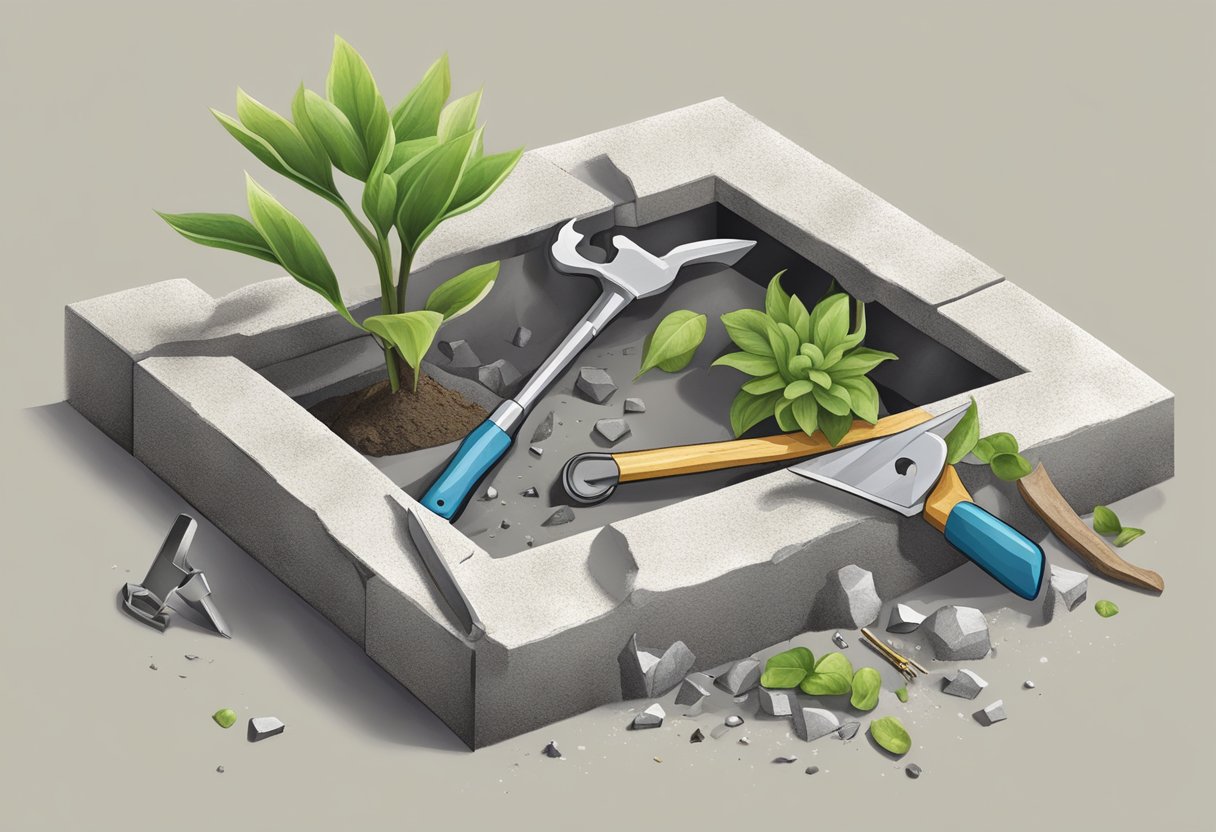
Making small changes can be tough. You might face roadblocks or lose motivation. But there are ways to push through and make your micro-habits stick.
Addressing Procrastination
Procrastination often gets in the way of forming new habits. To beat it, break tasks into tiny steps. This makes them less scary to start.
Set a timer for just 2 minutes. Tell yourself you only have to do the habit for that long. Often, you’ll want to keep going once you begin.
Try habit stacking. Link your new micro-habit to something you already do daily. For example, do 5 pushups right after brushing your teeth.
Use visual cues. Put a sticky note on your mirror or set a phone reminder. These prompt you to act and cut down on forgetfulness.
Building Accountability Systems
Having someone to check in with boosts your chances of sticking to micro-habits. Find an accountability buddy who shares similar goals.
Text each other daily about your progress. This creates gentle pressure to follow through. It also gives you a chance to celebrate small wins together.
Use habit tracking apps. They let you log your micro-habits and see your streak. Many find this motivating.
Join online groups focused on building good habits. Share your goals and updates. The community support can keep you going when things get tough.
Creating Stimulus Control
Your environment plays a big role in habit formation. Set up your space to make good habits easy and bad ones hard.
Put your running shoes by the door if you want to jog more. Keep healthy snacks visible and junk food out of sight.
Remove temptations that derail your micro-habits. If you want to read more, put your TV remote in a drawer.
Create a dedicated spot for your new habit. Have a special corner for meditation or a desk just for writing. This trains your brain to associate that space with the habit.
Optimizing Physical Health Through Micro-Habits

Small daily actions can lead to big improvements in your physical well-being. These tiny habits are easy to start and maintain, helping you build a healthier lifestyle over time.
Everyday Fitness Strategies
Start with one push-up a day and gradually increase as you build strength. This simple habit can be a gateway to more exercise.
Take the stairs instead of the elevator whenever possible. This small choice adds extra movement to your day without much effort.
Set a timer to stand up and stretch every hour. This micro-habit helps improve circulation and reduces the negative effects of sitting for long periods.
Try a “fitness snack” – do 10 jumping jacks or squats during TV commercials. These quick bursts of activity add up over time.
Nutritional Small Steps
Drink a glass of water before each meal. This micro-habit aids digestion and helps you stay hydrated throughout the day.
Add one extra vegetable to your plate at dinner. This small change can significantly boost your nutrient intake over time.
Replace one sugary drink with water or unsweetened tea each day. This simple swap can reduce your calorie and sugar intake.
Use a smaller plate for meals. This visual trick can help you naturally reduce portion sizes without feeling deprived.
Decluttering for Physical and Mental Clarity
Spend 5 minutes each day tidying one small area. This micro-habit can lead to a cleaner, more organized space over time.
Put away one item before leaving each room. This tiny action helps maintain order and reduces the need for big cleanup sessions.
Clear your nightstand before bed. This simple habit creates a calm environment for better sleep and a fresh start in the morning.
Delete one unnecessary app or file from your devices daily. This digital decluttering reduces mental clutter and improves focus.
Implementing Micro-Habits for Long-Term Success
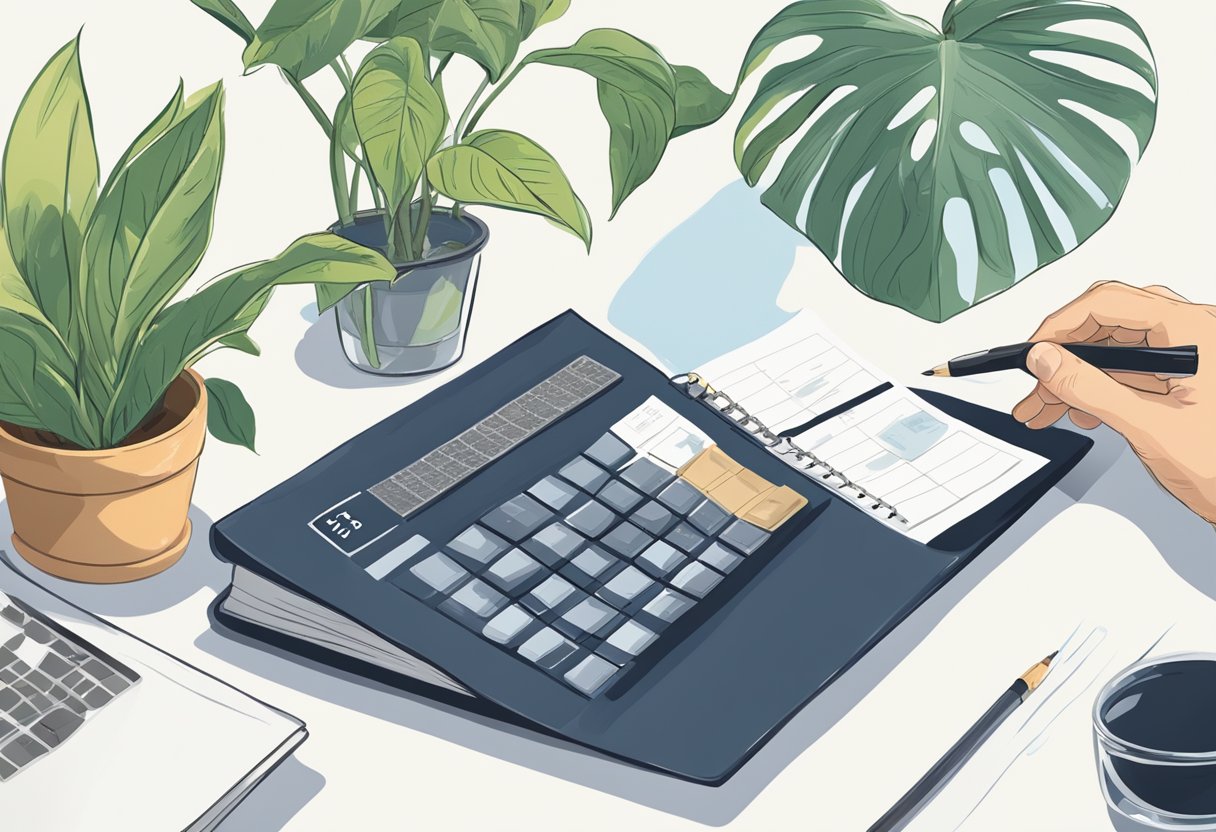
Micro-habits can lead to big changes with small, steady steps. They help you build lasting habits through consistent action and appreciating small wins.
Tracking and Measuring Progress
To achieve big goals with micro-habits, you need to track your progress. Use a habit tracker app or a simple notebook to record your daily actions.
Make a checklist of your micro-habits. Mark them off each day you complete them. This gives you a visual of your consistency.
Set measurable goals for your habits. For example, if your micro-habit is drinking more water, track how many glasses you drink each day.
Review your progress weekly. Look for patterns in your behavior. Notice which habits are easier to stick to and which need more work.
Sustaining Change Over Time
To make micro-habits stick, link them to existing routines. This makes them feel natural and easy to remember.
Start small and build up slowly. If you want to exercise more, begin with just 5 minutes a day. Increase the time gradually as it becomes a habit.
Be patient with yourself. Long-term success comes from consistent effort over time. Don’t expect instant results.
If you miss a day, don’t give up. Just get back on track the next day. Consistency matters more than perfection.
Celebrating Small Victories
Recognize your progress, no matter how small. Each time you complete a micro-habit, give yourself a mental pat on the back.
Create a reward system for reaching milestones. After a week of sticking to your habits, treat yourself to something you enjoy.
Share your achievements with friends or family. Their support can boost your motivation.
Keep a “wins” journal. Write down your daily successes, no matter how tiny. This helps you see your progress over time.
Remember, every small step moves you closer to your big goals. Appreciate these small wins to stay motivated on your journey.
Key Takeaways and Moving Forward with Micro-Habits
Micro-habits are tiny behaviors that can lead to big changes in your life. They work by making small, consistent actions that add up over time.
To start with micro-habits, pick one small action you can do daily. It should take less than 5 minutes and be easy to fit into your routine.
Some examples of micro-habits include:
- Drinking a glass of water when you wake up
- Reading one page of a book before bed
- Doing 5 push-ups after brushing your teeth
Micro-habits are easier to stick to because they don’t require much effort or willpower. This makes them great for building momentum towards bigger goals.
As you build consistency with your micro-habits, you can slowly increase their scope. For example, if you start with 5 push-ups, you might increase to 10 after a few weeks.
James Clear, author of “Atomic Habits”, suggests linking new habits to existing ones. This technique, called habit stacking, can help you remember to do your micro-habits.
Be patient with yourself as you build new habits. It takes time for behaviors to become automatic. Celebrate small wins along the way to stay motivated.
Frequently Asked Questions

Micro habits are small actions that lead to big changes over time. They can help with personal growth, weight loss, and overall well-being.
What are some effective micro habits that contribute to significant personal growth?
Small steps can lead to big changes in your personal growth journey. Try reading one page of a book each day. Write down three things you’re grateful for before bed. Take five deep breaths when you feel stressed.
These tiny actions can improve your knowledge, mindset, and stress management skills over time.
How can implementing micro habits impact weight loss goals effectively?
Micro habits can make weight loss feel more manageable. Drink a glass of water before each meal. Take a 5-minute walk after dinner. Replace one sugary snack with a piece of fruit daily.
These small changes can add up to big results in your weight loss journey.
What are the proven advantages of adopting micro habits in everyday life?
Micro habits can boost your productivity and well-being. They’re easy to start and maintain. You’ll feel a sense of accomplishment each day.
Over time, these small wins can lead to serious benefits like improved focus, better health, and increased confidence.
Which micro habits can lead to substantial long-term changes in lifestyle and mindset?
Start your day with a positive affirmation. Meditate for 2 minutes each morning. Write down one goal for the day.
These micro habits can shift your mindset and improve your outlook on life. They may lead to better decision-making and increased motivation.
How does one begin to cultivate micro habits for better self-improvement?
Start small and be consistent. Choose one area of your life you want to improve. Pick a tiny action you can do daily.
Set reminders on your phone. Track your progress in a journal. Celebrate small wins to stay motivated.
Could you suggest a comprehensive list of micro habits that cater to various aspects of well-being?
Here’s a list of micro habits for different areas of well-being:
- Physical: Do 10 squats while brushing your teeth.
- Mental: Solve one puzzle or brain teaser daily.
- Emotional: Write down one positive emotion you felt today.
- Social: Send a kind message to a friend or family member.
- Financial: Track your spending for 5 minutes each evening.
- Career: Learn one new work-related skill for 10 minutes daily.
These small actions can lead to significant, long-term results in various aspects of your life.






Leave a reply to Mind Detox: Removing Subconscious Blocks – 5 Proven Steps to Unlock Your Manifestation Power – Potent U Cancel reply