Tai Chi is a gentle exercise that can improve your health and well-being. It’s a mix of slow movements, deep breathing, and focus. Many people find it helpful for staying fit and feeling calm.

Practicing Tai Chi can boost your balance, flexibility, and strength. It’s good for your body and mind. You don’t need special equipment or a lot of space to do it. Anyone can start, no matter their age or fitness level.
Tai Chi has been around for hundreds of years. It started in China and is now practiced worldwide. People do it to feel better, reduce stress, and stay healthy. You can learn Tai Chi in classes or even at home with videos.
Key Takeaways
- Tai Chi is a gentle exercise that improves balance, flexibility, and strength
- You can start Tai Chi at any age or fitness level with no special equipment
- Regular Tai Chi practice can reduce stress and improve overall health
What Is Tai Chi?
Tai chi is an ancient Chinese practice that combines slow, graceful movements with mental focus and deep breathing. It’s a gentle form of exercise that can improve your physical and mental well-being.
Tai Chi as a Martial Art
Tai chi originated as a martial art in China. It focuses on using an opponent’s energy against them rather than direct force. The slow, flowing movements you see in modern tai chi come from combat techniques.
In tai chi, you learn to:
- Redirect attacks
- Maintain balance
- Use minimal effort for maximum effect
These principles make tai chi an effective self-defense system. Some practitioners still train tai chi for its martial applications alongside its health benefits.
Philosophical Foundations: Yin and Yang
Tai chi is deeply rooted in the concept of yin and yang. This ancient Chinese philosophy sees the world as a balance of opposing forces.
In tai chi, you aim to:
- Harmonize your internal energies
- Find balance between strength and softness
- Blend opposing movements seamlessly
The circular motions in tai chi represent the constant flow between yin and yang. As you practice, you learn to move with mindfulness, connecting your body and mind.
Different Styles: Wu, Sun, and Others
There are several main styles of tai chi, each with its own characteristics:
- Yang style: The most popular, known for large, sweeping movements
- Chen style: The oldest form, featuring explosive power in slow motion
- Wu style: Emphasizes small, compact movements
- Sun style: Incorporates elements from other Chinese martial arts
You can choose a style based on your goals and physical abilities. The Wu style, for example, might suit you if you prefer gentler movements. The Sun style blends tai chi with other arts, offering a unique approach to practice.
The Health Benefits of Practicing Tai Chi
Tai chi offers a wide range of health benefits for your body and mind. This gentle exercise can improve your physical fitness, boost your mental well-being, and provide special advantages for older adults.
Physical Health Improvements
Tai chi can enhance your overall physical health in many ways. It improves balance and flexibility, which helps prevent falls. The slow, controlled movements strengthen your muscles and increase your stamina.
Tai chi may also help manage chronic conditions. If you have arthritis, it can reduce pain and stiffness in your joints. For those with COPD or heart disease, tai chi can improve lung function and cardiovascular health.
Regular practice may lower your blood pressure and cholesterol levels. This can decrease your risk of heart problems. Tai chi’s gentle nature makes it safe for most people, even if you have health issues.
Mental Health and Cognitive Function
Tai chi isn’t just good for your body – it benefits your mind too. The meditative aspects of tai chi can reduce stress and anxiety. Many people find it calming and relaxing.
Practicing tai chi may improve your mood and mental health. It can help fight depression and boost your overall sense of well-being. The focus required during tai chi may also sharpen your memory and concentration.
Tai chi combines physical movement with mindfulness. This unique blend can enhance your cognitive function as you age. It may help keep your mind sharp and potentially lower the risk of cognitive decline.
Special Benefits for Older Adults
Tai chi is especially beneficial for older adults. Its low-impact nature makes it safe and accessible, even if you have mobility issues. Regular practice can help you maintain independence as you age.
For seniors, tai chi can:
- Improve balance and reduce fall risk
- Increase leg strength and flexibility
- Enhance cognitive function
- Boost confidence in daily activities
Tai chi may also help manage chronic conditions common in older adults. It can ease arthritis pain and improve quality of life for those with fibromyalgia.
The social aspect of group tai chi classes can combat loneliness and isolation. This social connection, combined with physical activity, supports overall health and well-being in your later years.
Tai Chi Techniques and Fundamentals
Tai Chi combines gentle movements, breathing, and meditation to promote health and wellbeing. The practice focuses on key elements that work together to create a holistic mind-body experience.
Core Movements and Postures
Tai Chi involves slow, flowing movements that improve your balance and posture. You’ll learn stances like “Horse Stance” and “Bow Stance” that form the basis of many techniques.
The “Wave Hands Like Clouds” move helps you practice smooth, circular motions. “Brush Knee” teaches you to coordinate your upper and lower body.
As you practice, focus on keeping your movements slow and controlled. Imagine moving through water or thick air to maintain a steady pace.
Pay attention to your alignment. Keep your spine straight, shoulders relaxed, and knees slightly bent. This posture allows energy to flow freely through your body.
Breathing Patterns and Meditation
Proper breathing is key to Tai Chi practice. You’ll learn to take deep, slow breaths that sync with your movements.
Breathe from your diaphragm, letting your belly expand as you inhale. Exhale slowly and completely, releasing tension from your body.
As you practice, focus your mind on your breath and movements. This helps you enter a meditative state, reducing stress and improving mental clarity.
Try counting your breaths or visualizing energy flowing through your body. These techniques can deepen your meditation and enhance your practice.
Understanding and Cultivating Qi
Qi, or life energy, is a central concept in Tai Chi. You’ll learn to sense and direct this energy through your body.
Imagine qi as a warm, tingling sensation flowing along your limbs. As you move, visualize guiding this energy with your intentions.
Regular practice helps you become more aware of qi in your daily life. You might notice improved energy levels, better sleep, or a stronger sense of overall wellbeing.
Remember, cultivating qi is a gradual process. Be patient and consistent in your practice. Over time, you’ll develop a deeper understanding of this vital energy.
How to Learn Tai Chi
Learning tai chi is an enjoyable process that can benefit your health and well-being. You can start your tai chi journey by finding a class, choosing the right instructor, and understanding the basics.
Finding a Tai Chi Class Near You
Look for tai chi classes at local community centers, gyms, or martial arts studios. Many parks offer outdoor tai chi sessions, especially in the morning. You can also search online for “tai chi classes near me” to find options in your area.
Don’t be shy about trying different classes. Each may have a unique style or focus. Some might emphasize health benefits, while others may lean more towards martial arts aspects.
Tai chi is suitable for all ages and fitness levels, so you’re likely to find a class that fits your needs.
Selecting a Tai Chi Instructor
Choose an instructor who makes you feel comfortable and explains things clearly. A good teacher will be patient and able to adapt their teaching to your learning style.
Ask about their experience and qualifications. Many reputable instructors have certifications from recognized tai chi organizations.
Observe a class before committing. This will give you a sense of the instructor’s teaching style and the class atmosphere.
Remember, the best instructor for you is one who motivates you to practice tai chi regularly.
Essentials for Beginners
Start with comfortable, loose-fitting clothes and flat shoes. You don’t need special equipment to practice tai chi.
Begin with short sessions of 10-15 minutes a day. Gradually increase your practice time as you become more comfortable with the movements.
Focus on your breathing and posture. Tai chi emphasizes deep, relaxed breathing and proper body alignment.
Don’t worry about perfecting every move right away. Tai chi is a journey, and improvement comes with regular practice.
Learn a short form first. This is a set of movements that may include a dozen or fewer poses. It’s easier to remember and practice at home.
Be patient with yourself. Tai chi looks simple but requires concentration and practice to master.
Integrating Tai Chi into Your Lifestyle
Tai Chi can become a key part of your daily life with some simple steps. You can make time for practice, find like-minded people, and get the right gear to support your journey.
Making Time for Daily Practice
Start by setting aside 10-15 minutes each day for Tai Chi. Morning practice can help you start your day positively. You don’t need a lot of time to benefit.
Pick a quiet spot in your home or a nearby park. Make it part of your daily routine, like brushing your teeth. Try doing Tai Chi right after waking up or before bed.
Use reminders on your phone to stay on track. Over time, you’ll look forward to your daily practice. It will become a habit you enjoy and rely on.
Creating a Supportive Community
Join a local Tai Chi class or group. You’ll meet others who share your interest. This can keep you motivated and help you learn faster.
Look for classes at community centers, parks, or gyms. Many offer beginner-friendly options. Online groups can also connect you with Tai Chi fans worldwide.
Ask friends or family to try Tai Chi with you. It’s more fun to practice together. You can support each other and share what you learn.
Wearable Attire and Equipment
Wear loose-fitting clothes that let you move freely. Comfortable pants and a t-shirt work well. Avoid tight jeans or restrictive tops.
Choose flat, flexible shoes with good grip. Some people prefer to practice barefoot. Pick what feels best for you.
You don’t need special gear for Tai Chi. But some items can enhance your practice:
- A yoga mat for outdoor sessions
- Tai Chi shoes for better balance
- A mirror to check your form
Remember, the most important thing is to start. You can always add gear later as you progress in your practice.
Advanced Concepts and Continued Practice
As you progress in Tai Chi, you’ll encounter deeper aspects and face new challenges. Exploring advanced concepts and maintaining consistent practice are key to unlocking the full benefits of this ancient art.
Exploring the Deeper Aspects of Tai Chi
Advanced Tai Chi practice involves refining your movements and focusing on internal energy. You’ll learn to connect your breath with each motion, enhancing your body’s energy flow. This integration of breath and movement is crucial for mastering Tai Chi.
Qigong, a related practice, can complement your Tai Chi training. It helps you develop better control over your qi (internal energy). By incorporating qigong exercises, you can improve your overall Tai Chi performance.
Intention plays a vital role in advanced practice. You’ll learn to direct your mind and energy with purpose. This mental focus allows you to execute movements with greater precision and power.
Overcoming Plateaus and Maintaining Interest
As you advance, you may hit plateaus in your progress. To overcome these, try:
- Varying your practice routine
- Attending workshops or seminars
- Practicing with different partners
Exploring new Tai Chi styles can reignite your passion and challenge you in new ways. Each style offers unique insights and techniques to enhance your practice.
Setting specific goals can help maintain your motivation. These might include mastering a complex form or improving your balance in challenging postures. Regular self-assessment allows you to track your progress and stay engaged.
Tai Chi for Rehabilitation and Recovery
Tai Chi offers powerful benefits for healing and managing health conditions. It helps people recover from injuries, cope with chronic diseases, and improve mental wellbeing.
Healing From Injuries With Tai Chi
Tai Chi can speed up recovery from many types of injuries. Its gentle movements improve flexibility and strength without straining healing tissues. For example, Tai Chi helps stroke survivors regain balance and mobility. The slow, controlled motions rebuild muscle control and coordination.
If you have a sports injury, Tai Chi can maintain your fitness as you heal. It keeps joints mobile and muscles active without impact. This prevents stiffness and weakness during recovery.
Tai Chi also reduces fall risk in older adults. It strengthens legs and improves balance. This protects against future injuries from falls.
Managing Chronic Conditions
Tai Chi offers relief for many ongoing health issues. If you have arthritis, the flowing movements ease joint pain and stiffness. For heart disease, Tai Chi provides safe exercise to strengthen your cardiovascular system.
People with chronic lung diseases like COPD find Tai Chi improves breathing. The focus on deep, slow breaths increases lung capacity over time.
Tai Chi can enhance your quality of life with chronic conditions. It boosts energy, reduces fatigue, and increases physical function. The gentle nature of Tai Chi makes it ideal when other exercises feel too challenging.
Tai Chi in Therapy and Mental Health
Tai Chi calms your mind and lifts your mood. Its meditative aspects reduce stress and anxiety. The mindful movements help you stay present, easing depression and worry.
For PTSD and trauma recovery, Tai Chi offers a way to reconnect with your body. It builds body awareness in a gentle, non-threatening way.
Practicing Tai Chi improves sleep quality. Better sleep enhances overall mental health and resilience. The relaxation techniques in Tai Chi carry over into daily life, helping you manage stress.
Tai Chi also sharpens focus and memory. This makes it valuable for cognitive therapy and brain health as you age.
The Psychological Effects of Tai Chi

Tai Chi can boost your mental health in many ways. It helps you relax, feel better, and find inner peace.
Reducing Stress and Anxiety
Tai Chi can lower your stress and anxiety levels. As you do the slow, gentle movements, your body releases tension. Your mind becomes calmer too.
Studies show that Tai Chi helps with stress management. When you practice regularly, you may feel less worried about daily problems.
The deep breathing in Tai Chi also plays a big role. It triggers your body’s relaxation response. This can help you feel more at ease, even in tough situations.
Improving Mood and Quality of Life
Tai Chi can make you feel happier and more content. It may even help with depression symptoms.
When you do Tai Chi, your brain releases feel-good chemicals. These can lift your spirits and give you more energy.
Research suggests that Tai Chi can boost your overall quality of life. You might sleep better, have more confidence, and enjoy life more.
Regular practice can also help you connect with others. Many people do Tai Chi in groups, which can reduce feelings of loneliness.
Tai Chi as a Form of Meditation in Motion
Tai Chi is often called “meditation in motion.” It combines physical movement with mental focus.
As you practice, you learn to clear your mind and focus on the present moment. This can help you feel more centered and peaceful.
The slow, flowing movements require concentration. This takes your mind off worries and negative thoughts.
Over time, you may find it easier to stay calm and focused in daily life. Tai Chi can teach you to be more mindful, which can improve your overall psychological well-being.
Safety and Adaptations for Tai Chi Practice

Tai Chi is a gentle, low-impact exercise that can be practiced safely by most people. With some simple precautions and modifications, you can enjoy the many benefits of Tai Chi while minimizing risks.
Modifying Movements for Safety
Start with basic moves and progress slowly. Focus on proper form rather than speed or complexity. Keep movements small at first, gradually increasing range of motion as you gain strength and flexibility.
If you have balance issues, practice near a wall or sturdy chair for support. You can also do seated Tai Chi exercises to build core strength safely.
For those with joint problems, bend your knees less deeply and avoid full weight-bearing on one leg. Adjust arm positions to a comfortable range that doesn’t cause pain or strain.
Preventing Falls and Injuries
Wear comfortable, flat shoes with good traction. Practice on a level surface free of obstacles. Be aware of your surroundings, especially when moving backwards or sideways.
Focus on slow, controlled movements to improve balance and reduce fall risk. Keep your weight centered and feet shoulder-width apart for stability.
Don’t push beyond your limits. If you feel pain, dizziness, or shortness of breath, stop and rest. Always warm up before practice and cool down after to prevent muscle strain.
Adapting Tai Chi for Disability or Illness
Tai Chi can be modified for various conditions. If you use a wheelchair, focus on upper body and breathing exercises. For those with limited mobility, practice while seated or holding onto a chair.
People with arthritis can do gentler movements within a comfortable range. Those with heart conditions should avoid holding their breath and practice at a slower pace.
Always consult your doctor before starting Tai Chi, especially if you have a chronic illness or injury. They can advise on specific adaptations for your condition.
With proper guidance, Tai Chi can be a safe and effective exercise for people of all ages and abilities.
The Social Aspect of Tai Chi
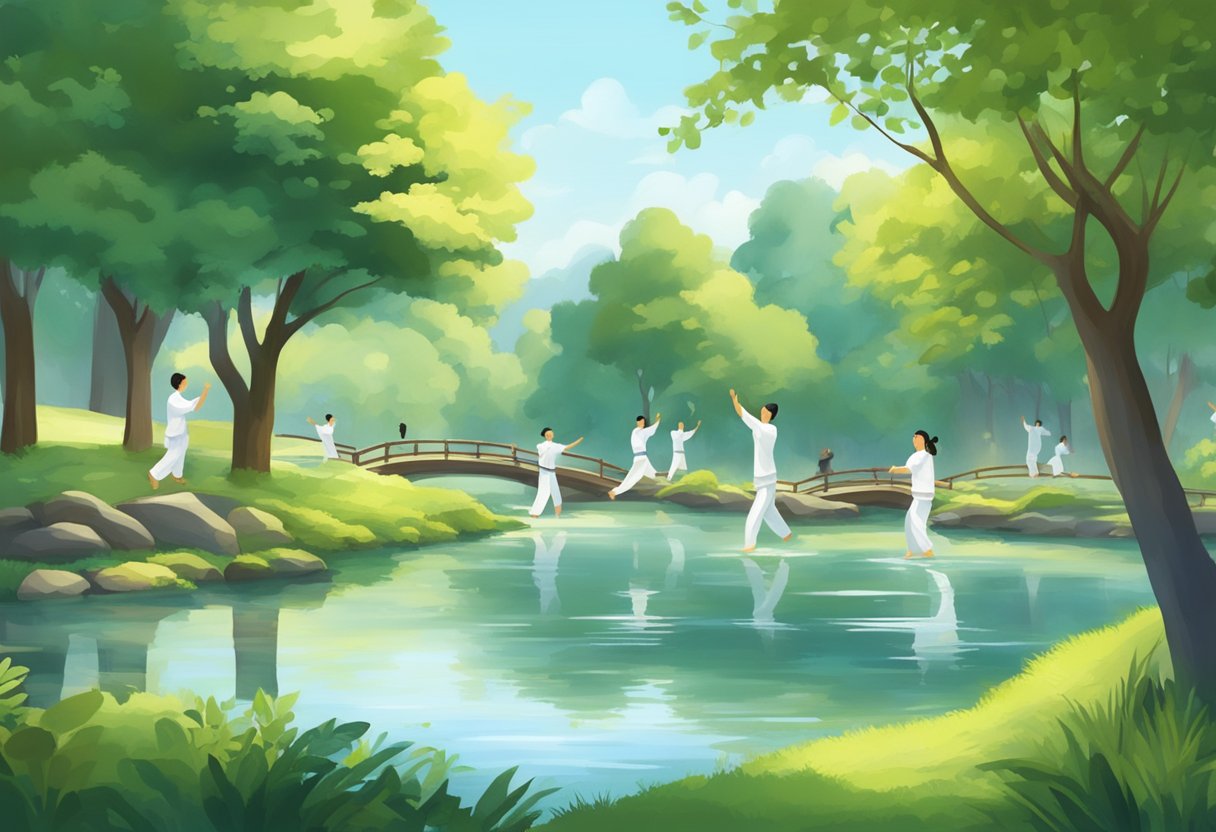
Tai Chi offers many social benefits. It brings people together and creates opportunities to connect with others who share your interests.
Community Building Through Tai Chi
Tai Chi classes help you meet new people. You’ll practice with others who want to improve their health and well-being. This shared goal creates a sense of community.
Many Tai Chi groups meet regularly. You might practice in parks or community centers. These meetings let you form friendships with your classmates.
Tai Chi is for all ages. You’ll interact with people from different backgrounds. This diversity adds to the social experience.
Some groups have social events after class. You might grab coffee or lunch with your Tai Chi buddies. These gatherings strengthen your bonds.
Participating in Events and Demonstrations
Tai Chi groups often take part in public events. You might join a team to demonstrate Tai Chi forms at local festivals or health fairs. This lets you share your skills with others.
Some areas hold Tai Chi competitions. You can choose to compete or watch. These events are fun ways to meet other Tai Chi fans.
Many cities have World Tai Chi Day celebrations. You can join group practices in parks or public spaces. It’s a chance to feel connected to the global Tai Chi community.
Tai Chi retreats are another option. You might spend a weekend practicing and socializing with other enthusiasts. These trips can deepen your friendships and Tai Chi knowledge.
Physical and Functional Outcomes of Tai Chi
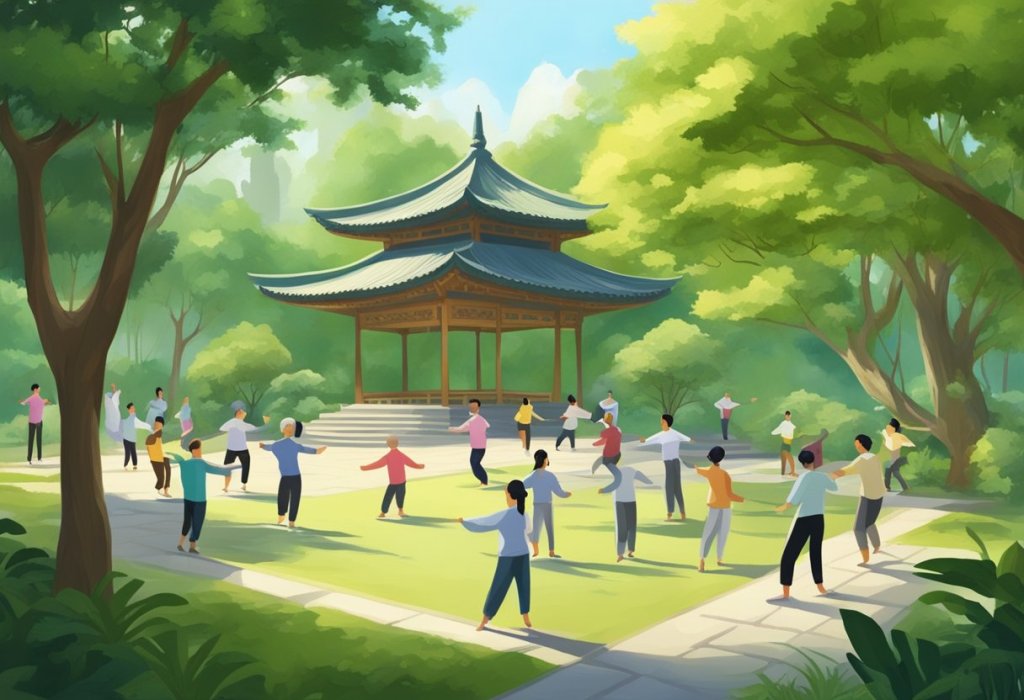
Tai chi offers many physical benefits. It can help you get stronger, more flexible, and improve your balance. Tai chi also supports healthy muscles and joints.
Developing Strength and Flexibility
Tai chi builds strength in your legs, core, and arms. The slow, controlled movements work your muscles. You’ll get stronger over time as you practice.
Tai chi also makes you more flexible. The flowing poses stretch your body gently. This increases your range of motion. You’ll feel less stiff and be able to move more easily.
As you do tai chi, you use your own body weight for resistance. This strengthens your muscles without putting too much stress on your joints.
Improving Balance and Coordination
Tai chi is great for your balance. The poses challenge you to stay steady. You learn to shift your weight smoothly from one leg to the other.
Your coordination gets better too. Tai chi links your mind and body. You focus on your movements and breathing. This mind-body connection improves your balance and coordination.
Tai chi can help prevent falls, especially in older adults. Better balance means you’re less likely to trip or lose your footing.
Targeting Joint and Muscle Health
Tai chi is easy on your joints. The gentle movements don’t jar or stress them. This makes it good for people with arthritis or joint pain.
Your muscles benefit from tai chi too. The slow, flowing motions help release tension. This can ease muscle aches and make you feel more relaxed.
Tai chi improves your posture. Better posture takes stress off your joints and muscles. You may find you have less back pain or fewer headaches.
Regular practice can increase your bone density. This is especially helpful for older adults at risk for osteoporosis.
Long-Term Benefits of Continuous Tai Chi Practice
Regular tai chi practice can lead to lasting positive changes in your body and mind. These changes can improve your quality of life and health as you age.
Achieving Sustained Health Benefits
Tai chi offers many health benefits when practiced over time. You may notice better balance and flexibility within weeks. Your strength and coordination can improve too.
Tai chi can help you lose weight and keep it off. The gentle movements burn calories and build muscle. This boosts your metabolism over time.
Your sleep may get better with regular practice. Tai chi reduces stress and promotes relaxation. This can lead to more restful nights.
Long-term tai chi practice may also:
- Lower blood pressure
- Reduce chronic pain
- Improve heart health
- Boost immune function
Enhancing Lifestyle and Longevity
Tai chi can become a positive part of your daily routine. It’s a practice you can enjoy for life, unlike some high-impact exercises.
As you age, tai chi helps you stay active and independent. It reduces fall risk and improves mobility. This can add years to your life and life to your years.
The social aspect of tai chi classes can improve your mood and mental health. You’ll meet new people and form connections. This fights loneliness and depression.
Tai chi also teaches mindfulness and body awareness. These skills can help you make healthier choices in other areas of your life.
Frequently Asked Questions

Tai Chi offers many health benefits and can be practiced by people of all ages and fitness levels. It’s a gentle exercise that combines slow movements with breathing and meditation.
What are the top benefits of practicing Tai Chi?
Tai Chi can improve balance and reduce falls, especially in older adults. It may also help lower blood pressure and boost heart health.
Practicing Tai Chi can reduce stress and anxiety. It may also improve sleep quality and increase overall energy levels.
Can Tai Chi be an effective method for weight loss?
Tai Chi can help with weight loss when combined with a healthy diet. It burns calories and builds muscle strength, which can boost metabolism.
Regular practice can also reduce stress, which may help prevent stress-related eating.
Is Tai Chi recommended by healthcare professionals?
Many doctors and therapists recommend Tai Chi for patients with various health conditions. It’s often suggested for older adults to improve balance and prevent falls.
Tai Chi is also recommended for people with arthritis, high blood pressure, and chronic pain.
How does Tai Chi differ from Yoga in practice and benefits?
Tai Chi involves flowing movements while standing, while yoga often includes holding static poses. Tai Chi focuses more on balance and coordination.
Both practices can reduce stress and improve flexibility. Tai Chi may be easier for some people with joint issues due to its low-impact nature.
What can one expect from daily practice of Tai Chi?
Daily Tai Chi practice can lead to better balance, flexibility, and strength. You may notice improved posture and reduced muscle tension.
Over time, you might experience lower stress levels, better sleep, and increased energy. Some people report feeling more focused and calm throughout the day.
What should beginners know before starting Tai Chi?
Tai Chi is suitable for all fitness levels, including beginners. You don’t need special equipment to start, just comfortable clothes and shoes.
It’s best to start with a class or instructor to learn proper form. Be patient with yourself as it takes time to learn the movements and feel the benefits.





Leave a comment