
Thanksgiving is a perfect time to focus on gratitude. It’s a chance to pause and think about the good things in your life. You might feel thankful for your family, friends, or health.

Practicing gratitude can boost your mood and well-being. When you take time to appreciate what you have, you may feel happier and more content. This can help you enjoy the holiday more fully.
There are many ways to practice gratitude on Thanksgiving. You could share what you’re thankful for during dinner, write in a gratitude journal, or call someone to thank them. These simple acts can make your day more meaningful and joyful.
Key Takeaways
- Gratitude can improve your mood and overall happiness
- Thanksgiving provides a natural opportunity to practice gratitude
- You can express gratitude through sharing, writing, or reaching out to others
The Significance of Thanksgiving and Gratitude
Thanksgiving is more than just a holiday. It’s a chance for you to cultivate gratitude and reflect on life’s blessings.
The holiday season can be busy, but Thanksgiving reminds you to pause and appreciate what you have. It’s a time to connect with loved ones and express thankfulness.
Gratitude has many benefits:
- Improves mental health
- Strengthens relationships
- Increases resilience
- Boosts self-esteem
When you focus on what you’re thankful for, you’re less likely to dwell on negatives. This shift in mindset can make you happier and more content.
Thanksgiving offers a natural opportunity to practice gratitude. You can use this time to start new habits of appreciation that last beyond the holiday.
Try these simple ways to show gratitude:
- Tell someone you appreciate them
- Write down three things you’re thankful for each day
- Volunteer to help others in need
Remember, gratitude isn’t just for Thanksgiving. You can carry this spirit of thankfulness with you all year long.
Understanding Gratitude
Click the Above Video with Your Middle Mouse Button, to open it in another tab.
Although it cannot be viewed on this site, it is well worth the watch!
Gratitude is a powerful emotion that can change your outlook on life. It involves noticing and appreciating the good things around you.
Defining Gratitude and Its Elements
Gratitude means feeling thankful for what you have. It’s about seeing the positive aspects of your life. When you practice gratitude, you focus on the good things, big or small.
The main parts of gratitude are:
- Recognizing something positive
- Feeling happy about it
- Expressing thanks
You can feel grateful for people, things, or experiences. It might be thanking a friend for their help or enjoying a beautiful sunset. Gratitude helps you see the value in your life.
Positive Psychology and Gratitude
Positive psychology studies what makes life good. It looks at how gratitude affects your well-being. Research shows that grateful people are often happier and healthier.
Practicing gratitude can boost your mood. It may help you:
- Feel more positive emotions
- Build stronger relationships
- Handle stress better
- Sleep better
Gratitude shifts your focus from what’s wrong to what’s right. This change in thinking can improve your mental health.
Gratitude as a Resilient Response
Resilience is your ability to bounce back from hard times. Gratitude can help make you more resilient. When you’re grateful, you see the good even in tough situations.
Gratitude can help you:
- Find meaning in challenges
- Stay hopeful during setbacks
- Appreciate what you have, not what you lack
By practicing gratitude daily, you build a habit of positive thinking. This habit makes it easier to cope with problems. You learn to look for silver linings and opportunities for growth.
Benefits of Gratitude
Gratitude can change your life in many ways. It helps your mind, body, and relationships. Let’s look at how being thankful can make you happier and healthier.
Psychological Advantages of Being Grateful
Being grateful can boost your happiness and well-being. When you focus on the good things in life, you feel more positive emotions. This can help fight depression and make you feel better overall.
Gratitude also changes how you think. You start to see the bright side of things more often. This can lead to:
- Less stress and worry
- Better self-esteem
- More hope for the future
When you practice gratitude, you train your brain to notice good things. This can make you more resilient when times are tough.
Physical Health Improvements Linked to Gratitude
Your body can benefit from gratitude too. Studies show that being thankful can improve your physical health in several ways:
- Better sleep quality
- Lower blood pressure
- Stronger immune system
Grateful people often take better care of themselves. They may exercise more and eat healthier foods. This can lead to feeling more energetic and having fewer aches and pains.
Gratitude can even help you handle pain better. When you focus on what you’re thankful for, it can take your mind off discomfort.
Gratitude’s Role in Enhanced Relationships
Being grateful can make your relationships stronger. When you show appreciation for others, they feel valued. This can lead to deeper connections and more trust.
Gratitude helps you:
- Notice the good things others do for you
- Express thanks more often
- Be more forgiving
- Feel closer to friends and family
In romantic relationships, gratitude can increase satisfaction. Partners who thank each other regularly often feel more committed and supported.
At work, showing gratitude can improve teamwork. It can make people more willing to help each other out. This creates a more positive environment for everyone.
Gratitude Practices
Gratitude practices can boost your mood and overall well-being. Try these simple yet powerful methods to cultivate appreciation in your daily life.
Cultivating Gratitude Through Reflection
Take a few minutes each day to reflect on the good things in your life. Think about the people, experiences, and things you’re thankful for. This can be as simple as noticing a beautiful sunset or appreciating a kind gesture from a friend.
You can enhance your brain’s activity in regions linked to joy and contentment through gratitude. Try setting a daily reminder on your phone to pause and reflect.
Consider starting your day with a gratitude meditation. Sit quietly and focus on three things you’re grateful for. This practice can set a positive tone for your entire day.
Journaling for Appreciation
Start a daily gratitude journal to record your thankful thoughts. Write down three to five things you appreciate each day. These can be big or small – from a promotion at work to a delicious cup of coffee.
Use prompts to inspire your writing:
- What made you smile today?
- Who helped you recently?
- What’s something you’re looking forward to?
Try different journaling styles. You might prefer bullet points, short paragraphs, or even drawings. The key is consistency. Aim to write in your journal at the same time each day to build a habit.
Creative Gratitude Exercises
Get creative with your gratitude practice. Make a gratitude jar by writing down things you’re thankful for on small pieces of paper and adding them to a jar. On tough days, read through these notes to lift your spirits.
Write thank-you notes to express your appreciation to others. This not only makes you feel good but also brightens someone else’s day. You can send emails, text messages, or handwritten cards.
Try the “Three Good Things” exercise. Each night, write down three positive experiences from your day. This helps train your brain to focus on the positive aspects of life.
Create a gratitude map. Draw a circle in the center of a page with your name, then branch out with lines leading to people, places, and things you’re grateful for.
Impact of Gratitude on Well-Being and Mindfulness
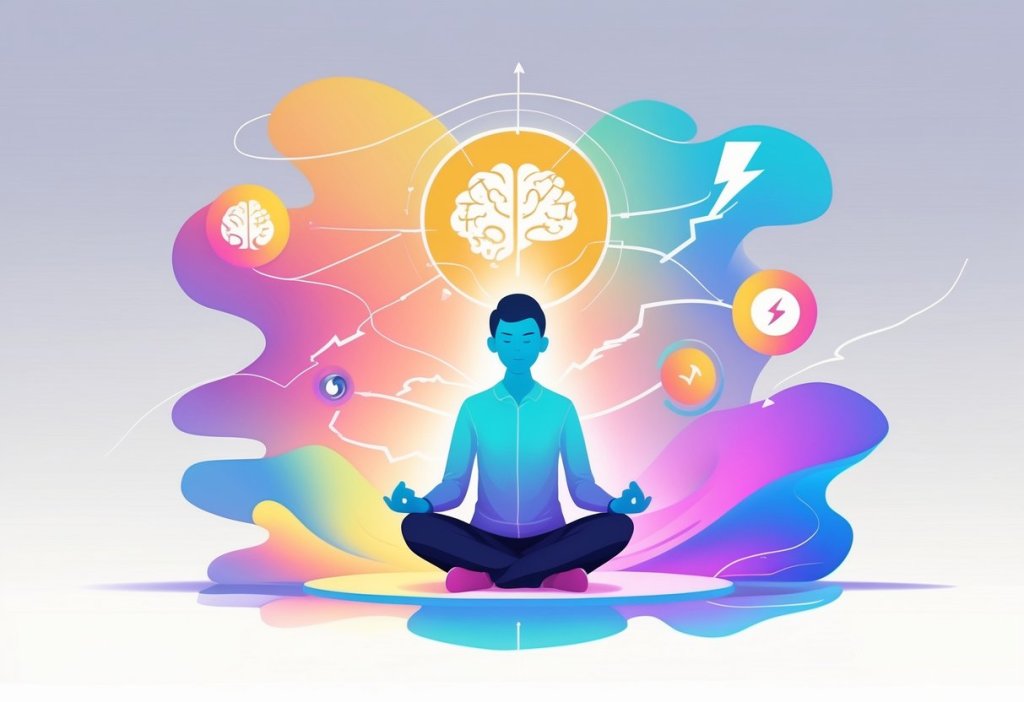
Gratitude practices can boost your mood and outlook. They help you focus on the good things in life. This shift in perspective can lead to better mental health and more mindful living.
Mindfulness Meditation and Gratitude
Mindfulness meditation and gratitude work well together. When you practice gratitude during meditation, you train your brain to notice positive things. This can help reduce depressive symptoms.
Try this simple exercise:
- Sit quietly for a few minutes.
- Focus on your breath.
- Think of three things you’re grateful for.
- Notice how you feel.
This practice can increase your sense of well-being. It may also boost your compassion and empathy for others.
Building Resilience Through Grateful Living
Grateful living can make you more resilient. When you focus on the good, you’re better able to cope with hard times. This positive outlook can help you bounce back from setbacks.
To build resilience:
- Keep a gratitude journal.
- Share your thanks with others.
- Look for the silver lining in tough situations.
These habits can lead to more optimism. You may find it easier to face challenges with a grateful mindset.
Improving Self-esteem With Gratitude
Gratitude can boost your self-esteem. When you appreciate what you have, you focus less on what you lack. This shift can make you feel more confident and worthy.
Here are ways to use gratitude for better self-esteem:
- Thank yourself for your efforts.
- Recognize your strengths and accomplishments.
- Accept compliments graciously.
By practicing gratitude, you can improve your emotional well-being. You may feel more positive about yourself and your life.
Expressing Gratitude in Community and Relationships

Thanksgiving is a perfect time to express gratitude to those around you. Your words of appreciation can strengthen bonds and create deeper connections.
Try these simple ways to show thankfulness:
- Write heartfelt notes to loved ones
- Share kind words during dinner conversations
- Give a toast highlighting what you’re grateful for
- Send texts expressing appreciation to friends
Expressing gratitude can improve your relationships. It builds trust and reduces conflicts. When you acknowledge others’ kindness, they feel valued and appreciated.
You can also express gratitude in your community:
- Thank local service workers
- Volunteer at a charity
- Donate to a food bank
- Help a neighbor with a task
These acts of kindness spread positivity and strengthen community ties. They remind you of the blessings in your life and inspire others to pay it forward.
Remember, gratitude isn’t just for Thanksgiving. Make it a daily habit. Practicing thankfulness regularly can boost your mental well-being and help you face life’s challenges.
Establishing Lasting Gratitude Practices

Gratitude can become a powerful habit with consistent practice. By creating daily rituals and visual cues, you can cultivate a thankful mindset that extends far beyond Thanksgiving.
Developing a Consistent Gratitude Ritual
Start your day with a gratitude practice. Keep a daily gratitude journal next to your bed. Each morning, write down three things you’re thankful for.
This simple act can shift your focus to the positives in your life. You might note small joys like a warm cup of coffee or bigger blessings like good health.
Set a reminder on your phone to prompt you. Aim to do this for at least 21 days to form a habit. As you continue, you may notice improvements in your mood and outlook.
Visual Reminders and Anchors for Gratitude
Create visual cues to prompt grateful thoughts throughout your day. Place sticky notes with positive messages on your mirror or computer.
Make a gratitude jar. Write down moments of thankfulness on small slips of paper and add them to the jar. Read through these during tough times for a boost.
Use everyday objects as gratitude anchors. For example, feel thankful each time you turn a doorknob or sip water. This links gratitude to common actions.
These visual reminders help keep gratitude at the forefront of your mind. They serve as constant prompts to pause and appreciate life’s blessings.
Maintaining a Gratitude Mindset Beyond Thanksgiving
Cultivating gratitude shouldn’t be limited to the holiday season. Extend your thankful outlook year-round with these practices.
Share your appreciation with others. Tell a friend why you’re grateful for them. Write thank-you notes to people who’ve helped you.
Practice mindfulness to notice daily joys. Pay attention to the taste of your food, the warmth of sunlight, or a child’s laughter.
Volunteer or donate to causes you care about. This can increase your awareness of your own blessings and foster a giving spirit.
By maintaining these habits, you can create a lasting sense of gratitude that enhances your well-being long after Thanksgiving has passed.
Frequently Asked Questions
Thanksgiving offers many chances to express thanks. Gratitude can be shown through words, actions, and traditions during this holiday.
How can one express gratitude on Thanksgiving?
You can share appreciation by telling loved ones what they mean to you. Write thank-you notes to friends and family. Volunteer at a local charity or food bank to give back to your community.
Make a gratitude list of things you’re thankful for. Share it at the dinner table. Ask others to do the same.
What are some meaningful Thanksgiving quotes that reflect gratitude?
“Gratitude turns what we have into enough.” – Anonymous
“Feeling gratitude and not expressing it is like wrapping a present and not giving it.” – William Arthur Ward
“When we give cheerfully and accept gratefully, everyone is blessed.” – Maya Angelou
What is a traditional Thanksgiving prayer of gratitude?
A simple Thanksgiving grace: “We thank you for this food and all the blessings in our lives. May we always be grateful. Amen.”
Another common prayer: “Bless us, O Lord, and these Thy gifts which we are about to receive from Thy bounty. Through Christ our Lord. Amen.”
How can individuals cultivate gratitude during Thanksgiving celebrations?
Start a gratitude practice by keeping a journal. Write down three things you’re grateful for each day.
Play gratitude games at the dinner table. Ask each person to share one thing they appreciate about the person next to them.
Create a gratitude tree. Have guests write what they’re thankful for on paper leaves and hang them on branches.
Can feelings of gratitude reduce feelings of anxiety during the holidays?
Yes, practicing gratitude can help lower stress and anxiety. It shifts focus from worries to positive aspects of life.
Gratitude can improve mood and outlook. It may help you feel calmer and more content during busy holiday times.
What are some ways to reflect on what you’re grateful for during Thanksgiving?
Take a quiet walk and notice the beauty around you. Spend a few minutes in nature reflecting on your blessings.
Look through old photos and remember happy times. Think about the people and experiences that have shaped your life.
Ask yourself questions like “What made me smile today?” or “Who am I glad to have in my life?” Write down your answers.




Leave a comment