Binaural beats are sounds that can affect brain waves and mental states. These special tones are created when slightly different frequencies are played in each ear. The brain tries to make sense of the difference, producing a third tone that can influence brain activity.
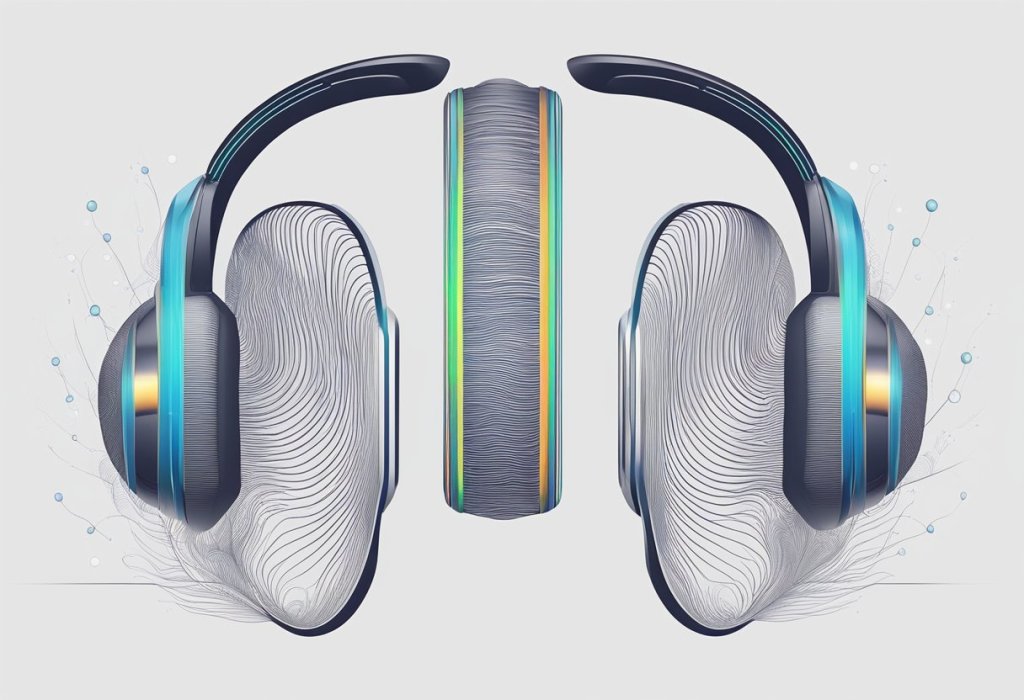
Binaural beats may help reduce stress and anxiety, improve focus and concentration, and promote better sleep. People use them for relaxation, meditation, and even to boost creativity. The effects can vary depending on the frequency used and the individual listening.
While more research is needed, many find binaural beats helpful for managing mood and enhancing mental performance. They’re easy to use with headphones and can be a simple addition to daily routines for those seeking natural ways to support their mental well-being.
Key Takeaways
- Binaural beats are created by playing different frequencies in each ear, potentially influencing brain activity.
- These audio tools may help with stress reduction, focus improvement, and sleep quality enhancement.
- Using binaural beats is simple and can be easily incorporated into daily routines for mental well-being support.
Understanding Binaural Beats
Binaural beats create unique auditory experiences that can influence brain activity. These sound waves work through specific brain processes to produce various effects on listeners.
Definition and Fundamentals
Binaural beats are an auditory illusion created when two slightly different tones are played in each ear. The brain perceives a third tone, which is the difference between the two frequencies. This phantom beat is not actually present in the audio but is generated by the brain’s processing.
For example, if a 200 Hz tone plays in one ear and a 210 Hz tone in the other, the brain creates a 10 Hz binaural beat. This beat matches certain brainwave patterns, potentially influencing mental states.
Listeners typically hear binaural beats through stereo headphones to ensure each ear receives a distinct frequency.
History and Evolution
The discovery of binaural beats dates back to 1839 when Heinrich Wilhelm Dove, a Prussian physicist and meteorologist, first observed the phenomenon. Initially, this finding was mainly of scientific interest without practical applications.
In the 1970s, researcher Robert Monroe began exploring binaural beats for altering consciousness. He founded the Monroe Institute to study their effects on relaxation, meditation, and learning.
Since then, interest in binaural beats has grown. Today, they are used for various purposes, including stress reduction, improved focus, and sleep aid. Many smartphone apps and online platforms now offer binaural beat recordings.
Science Behind Binaural Beats
The science of binaural beats involves complex brain processes. When the two tones enter the ears, they travel to the superior olivary complex in the brainstem. This area integrates the sounds, creating the perceived beat.
This beat can potentially influence brainwave patterns through a process called brainwave entrainment. The brain’s electrical activity, measured by electroencephalography (EEG), may synchronize with the frequency of the binaural beat.
Different frequencies are linked to various mental states:
- Delta (1-4 Hz): Deep sleep
- Theta (4-8 Hz): Relaxation, meditation
- Alpha (8-14 Hz): Calm alertness
- Beta (14-30 Hz): Concentration, problem-solving
Research on binaural beats is ongoing. While some studies show promising results, more evidence is needed to fully understand their effects and benefits.
Neurological Effects of Binaural Beats
Binaural beats can change brain activity and mental states. They may improve focus, relaxation, and thinking skills.
Brain State Alteration
Binaural beats can change how the brain works. They affect brainwaves, which are electrical patterns in the brain. Different brainwave patterns link to different mental states.
Delta waves (1-4 Hz) relate to deep sleep. Theta waves (4-8 Hz) occur during light sleep and deep relaxation. Alpha waves (8-14 Hz) happen when people are calm but awake. Beta waves (14-30 Hz) show up during normal waking consciousness. Gamma waves (above 30 Hz) appear during peak focus and cognitive function.
Binaural beats aim to create these brainwave patterns. This may help people reach certain mental states more easily.
Brain Wave Entrainment
Brain wave entrainment is when brainwaves match an external stimulus. Binaural beats try to cause this effect. The brain hears two close frequencies and creates a third tone. This third tone is the binaural beat.
The brain then tries to match this beat frequency. This can change brainwave patterns. For example, a 10 Hz binaural beat might increase alpha waves. Alpha waves link to relaxation and creativity.
Studies show mixed results on how well this works. Some find clear effects, while others see little change. More research is needed to fully understand this process.
Cognitive Enhancement Effects
Binaural beats may boost thinking skills. Some studies report improvements in memory, attention, and problem-solving. These effects might come from changes in brain activity.
For instance, beta frequency beats could increase focus and alertness. Theta frequency beats might boost creativity and learning. Alpha frequency beats may improve relaxation and reduce stress.
However, results vary between studies. Some show clear benefits, while others find no effect. The impact may depend on the person and the specific beat used. More research is needed to confirm these effects and understand how they work.
Health and Wellness Benefits
Binaural beats offer several potential health and wellness benefits. These include helping people relax, sleep better, manage anxiety, and deal with pain.
Stress Reduction and Relaxation
Binaural beats may help people feel calmer and less stressed. Theta frequency binaural beats (4-8 Hz) are linked to relaxation and meditative states. Listening to these beats might:
• Lower heart rate and blood pressure • Decrease cortisol levels • Promote a sense of calm
Some people use binaural beats during meditation or yoga to enhance relaxation. Others listen while working to stay focused and reduce stress.
A small study found that binaural beats helped reduce anxiety in patients before surgery. More research is needed, but early results are promising for stress relief.
Sleep Improvement
Binaural beats may help improve sleep quality. Delta frequency beats (1-4 Hz) are associated with deep sleep states.
Benefits for sleep may include:
• Falling asleep faster • Staying asleep longer • Experiencing deeper sleep cycles
Some people listen to binaural beats before bed or while sleeping. A consistent bedtime routine with binaural beats might signal the brain it’s time to rest.
While more studies are needed, early research suggests binaural beats could be a useful tool for those with sleep issues.
Anxiety Management
Binaural beats may help reduce anxiety in some people. Alpha frequency beats (8-13 Hz) are often used for this purpose.
Potential anxiety-reducing effects include:
• Lowering self-reported anxiety levels • Decreasing physical symptoms of anxiety • Promoting a sense of calm and well-being
Some therapists use binaural beats alongside other treatments for anxiety disorders. They might be especially helpful for situational anxiety, like before a test or presentation.
While not a replacement for medical treatment, binaural beats could be a helpful addition to anxiety management strategies.
Pain Management
Binaural beats show promise for pain relief and management. They might help by:
• Reducing perceived pain intensity • Distracting from pain sensations • Promoting relaxation to ease tension
A 2020 study found that binaural beats reduced pain and painkiller use in some participants. This suggests they could be a useful tool for pain management.
Binaural beats might be particularly helpful for chronic pain conditions. They could offer a drug-free option to complement other pain treatments.
More research is needed to fully understand how binaural beats affect pain perception and management.
Cognitive Benefits and Productivity
Binaural beats may boost brain function and help people work better. They can affect different areas of thinking and mental performance.
Memory and Attention
Binaural beats might help improve memory and attention. Some studies show they can make people remember things better. They may also help people pay attention for longer.
Gamma frequency binaural beats could increase attention to detail. This may help students focus on important facts when studying.
Listening to binaural beats might make it easier to recall information later. This could be useful for tests or important work tasks.
Focus and Concentration
Many people use binaural beats to improve focus. They may help block out distractions and keep the mind on task.
Certain beat frequencies might increase alertness. This can be helpful when working on long or complex projects.
Some research suggests binaural beats could reduce anxiety. Less stress may lead to better concentration.
People might find it easier to stay focused on work or studies when listening to binaural beats.
Enhanced Creativity
Binaural beats may boost creative thinking. They could help the mind come up with new ideas.
Some frequencies are linked to increased divergent thinking. This is a key part of creativity.
Artists and writers might use binaural beats to overcome creative blocks. The sounds could help inspire fresh thoughts and unique solutions.
Listening to binaural beats during brainstorming sessions may lead to more original ideas.
Problem-Solving Skills
Binaural beats might enhance problem-solving abilities. They could help the brain think more flexibly.
Some people report better analytical thinking when using binaural beats. This may help with tackling complex issues.
The sounds might improve cognitive flexibility. This allows for considering multiple approaches to a problem.
Binaural beats could potentially boost mental clarity. Clearer thinking may lead to finding solutions more quickly.
Practical Application and Techniques
Binaural beats can be used in various ways to enhance mental states and support well-being. These techniques offer versatile tools for meditation, studying, and mental health treatment.
Meditation and Mindfulness
Binaural beats can help create a conducive environment for meditation and mindfulness practices. Users often listen to theta frequency beats (4-8 Hz) to induce a deep meditative state.
To start, find a quiet space and use headphones for the best effect. Choose a binaural beat track with a soothing background sound. Begin with short sessions of 10-15 minutes and gradually increase duration.
Some meditation apps offer guided sessions with binaural beats. These can be helpful for beginners. Regular practice may lead to improved focus and relaxation over time.
Study and Learning
For study and learning, beta frequency binaural beats (13-30 Hz) are often used. These frequencies are associated with increased alertness and concentration.
Students can play binaural beats in the background while studying. It’s best to keep the volume low to avoid distraction. Sessions of 30-60 minutes are common.
Some tips for effective use:
- Take breaks every hour
- Combine with other study techniques like the Pomodoro method
- Experiment with different frequencies to find what works best
Improved focus and concentration are potential benefits of this technique.
Therapy and Mental Health Treatment
Binaural beats are being explored as a complementary tool in mental health treatment. They may help with anxiety reduction and mood improvement.
In therapy settings, binaural beats might be used alongside traditional treatments. For example, a therapist may recommend listening to alpha frequency beats (8-13 Hz) for relaxation between sessions.
For sleep issues, delta frequency beats (0.5-4 Hz) could be helpful. These low frequencies are associated with deep sleep states. It’s important to use binaural beats under professional guidance when addressing mental health concerns.
Research on binaural beat therapy is ongoing, and results vary. It should not replace prescribed treatments but may serve as a supportive tool.
Safety and Considerations
Binaural beats are generally safe for most people. Still, there are some important things to keep in mind before using them.
Potential Side Effects
Some users may feel headaches or dizziness when listening to binaural beats. These effects are usually mild and go away quickly. In rare cases, people might feel anxious or restless.
For those with epilepsy, caution is needed. Certain frequencies could possibly trigger seizures in sensitive individuals. It’s best to talk to a doctor first if you have epilepsy.
Some people report trouble sleeping after using high-frequency beats at night. To avoid this, stick to lower frequencies before bed.
Usage Recommendations
Listen at a medium to low volume to protect your hearing. Avoid sudden loud noises in the recordings.
Start with short sessions of 15-30 minutes. You can slowly increase the time as you get used to the effects.
Take breaks between listening sessions. This gives your brain time to rest and process.
Don’t use binaural beats while driving or operating machinery. They can affect your focus and reaction time.
If you have any mental health issues, check with a doctor before trying binaural beats. They may interact with some conditions or treatments.
Frequently Asked Questions
Binaural beats have sparked interest for their potential benefits on mental health and sleep. Many people have questions about how they work and their effectiveness.
What are the potential benefits of binaural beats for managing anxiety?
Binaural beats may help reduce anxiety and stress. They can create a calming effect on the mind, similar to meditation. Some users report feeling more relaxed and less anxious after listening to binaural beats.
The theta frequency range (4-8 Hz) is often used for anxiety reduction. It may promote deep relaxation and help quiet racing thoughts.
How can binaural beats improve sleep quality?
Binaural beats in the delta frequency range (0.5-4 Hz) may aid in deep relaxation and sleep. They can help slow down brainwave activity, making it easier to fall asleep.
Listening to these beats before bedtime might help create a calm mental state. This can lead to faster sleep onset and potentially deeper, more restful sleep.
Are there any known side effects of using binaural beats?
Binaural beats are generally considered safe for most people. Some users may experience mild side effects like headaches or dizziness, especially when first starting.
It’s important to keep the volume at a comfortable level to avoid ear strain. People with epilepsy or heart conditions should consult a doctor before using binaural beats.
How long should one listen to binaural beats to experience their effects?
The ideal listening duration can vary. Many experts recommend sessions of 15 to 30 minutes. Some people may need longer sessions to feel the full effects.
Consistency is key. Regular use over time may lead to more noticeable results. It’s okay to start with shorter sessions and gradually increase the duration.
What is the recommended frequency of use for binaural beats?
Daily use is often recommended for optimal results. Some people listen once a day, while others prefer multiple short sessions throughout the day.
It’s important to find a routine that works for your schedule and goals. Listening before bed can help with sleep, while daytime sessions might aid focus or relaxation.
Is there evidence to support the efficacy of binaural beats?
More research is needed to fully understand binaural beats’ effects. Some studies have shown promising results for anxiety reduction and sleep improvement.
Individual experiences vary. While many users report benefits, scientific evidence is still limited. It’s best to approach binaural beats with an open mind and realistic expectations.






Leave a reply to Flicker Entrainment: Benefits, Safety, and Brainwave Synchronization – Potent U Cancel reply